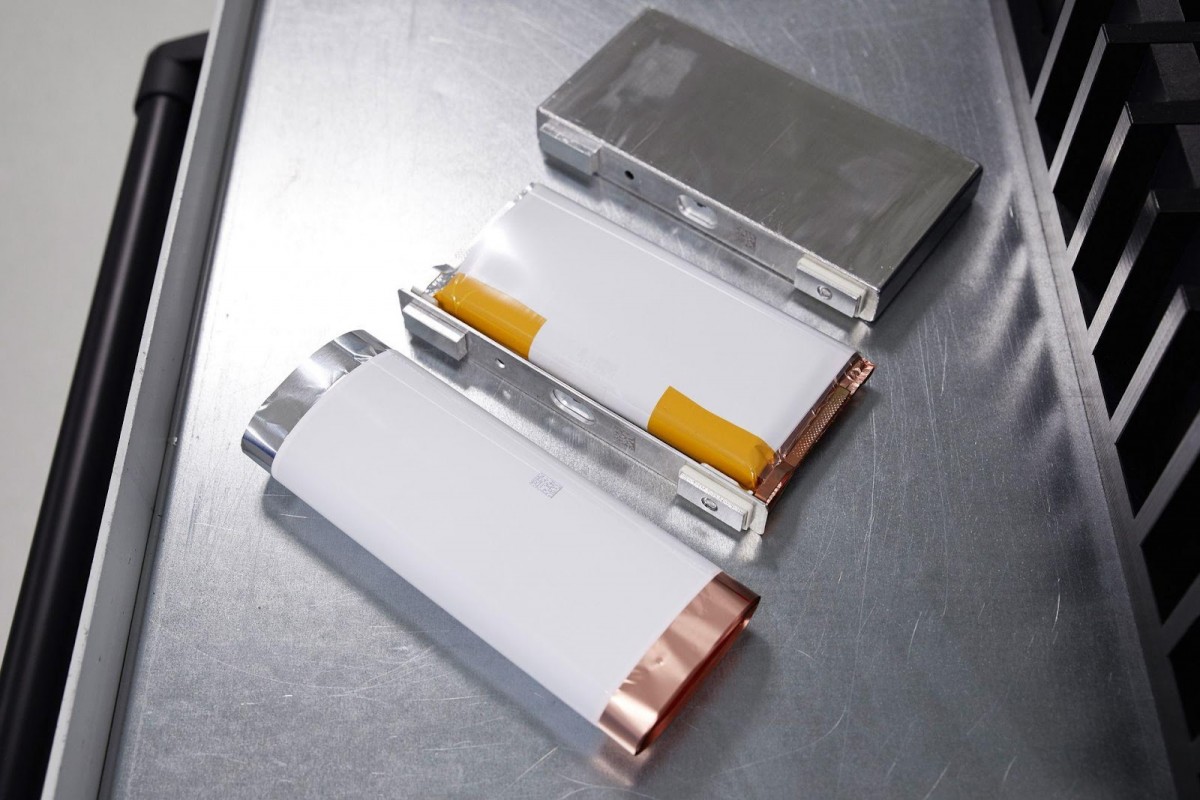
One of the primary criticisms faced by electric vehicles (EVs) is their limited range and substantially slower recharge times compared to internal combustion engine (ICE) vehicles. This discrepancy largely stems from the significantly lower energy content stored in their batteries in contrast to traditional fuel tanks.
There are generally two methods to enhance the range of a vehicle. The more straightforward approach involves increasing the capacity of the fuel tank, which is relatively easy and cost-effective for fuel-powered cars. However, the situation is much more complicated—and often more expensive—when addressing electric vehicles. The alternative is to optimize various aspects of the vehicle, including aerodynamics, rolling resistance, and weight reduction.
With the capability to travel 1,008 kilometers on a single charge, the Mercedes-Benz EQXX achieves an impressive energy consumption rate of 8.7kWh/100km, averaging a speed of 87 km/h. To achieve this, Mercedes has incorporated a large battery while ensuring the entire vehicle is designed for maximum efficiency. Let's delve into how they accomplished this feat.
 The Mercedes-Benz EQXX
Aerodynamics
Aerodynamic drag is the primary energy consumer in any vehicle. While the impact of drag is minimal at speeds below 60 km/h, it becomes the most energy-intensive factor at typical highway speeds. The EQXX boasts a coefficient of drag (Cd) value of 0.17 along with a frontal area of 2.12 m2, resulting in a remarkably low total drag area of 0.36 m2. For comparison, the Mercedes-Benz EQS, recognized as one of the most aerodynamically efficient cars in the market, has a drag area that is 39% greater than that of the EQXX at 0.5 m2.
 Wind tunnel testing of the Mercedes-Benz EQXX
Mercedes-Benz achieved this aerodynamic efficiency through a series of targeted design measures. The car features a waterdrop shape, a 50mm narrower rear section, on-demand aero cooling, an elongated tail, and a blend of active and passive aerodynamic elements. The 20-inch wheels are fully covered to enhance aerodynamics, as they account for up to a quarter of the vehicle's total drag. At the typical highway speed of 130 km/h, the EQXX requires a mere 14 PS to maintain its speed, a remarkably low figure.
 At 130kmh the Mercedes-Benz EQXX needs just 14PS due to its low aerodynamic drag
Powertrain
Mercedes-Benz claims an impressive 95% powertrain efficiency from battery to wheels, which is a significant achievement. In the energy transition from the battery to the wheels, there are three areas where energy loss can occur: power electronics, the motor, and the gearbox. To attain such high efficiency, each of these components must exceed 98% efficiency—something currently unattainable in the mainstream automotive sector.
It is likely that the EQXX features a synchronous motor, probably of the permanent magnet variety. Due to their high efficiency, both the motor and power electronics have minimal cooling requirements. This allows for on-demand (aero and liquid) cooling solutions that further reduce aerodynamic drag and energy consumption. The motor's maximum output is 180 kW (245 PS), with torque expected to be around 400 Nm.
 The compact powertrain of the EQXX
Bodywork
Lightweight construction is crucial in the pursuit of efficiency. Although electric vehicles benefit from regenerative braking—capturing more kinetic energy as their weight increases—regenerative braking is not much of a factor during highway driving. The unladen weight of the EQXX is 1,755 kg, which is an impressive achievement, considering that the high-voltage battery itself weighs nearly half a tonne.
The materials used in the EQXX include aluminum, martensitic steel, and carbon fiber reinforced plastic, while the wheels are crafted from forged magnesium. Notably, this model incorporates aluminum brake discs, which are lighter than conventional steel discs.
The combination of aluminum brake discs and magnesium wheels significantly reduces the vehicle's unsprung mass, enhancing both acceleration and ride comfort. All materials were strategically chosen for their lightweight properties while ensuring high stiffness and rigidity.
Bionic principles guided the construction process, ensuring that materials were only used where necessary to avoid unnecessary excess. This approach extends to the interior as well, where sustainable and lightweight materials are employed. To boost efficiency, solar cells are integrated into the roof. Although their contribution is only about 25 km of range on a sunny day for low-voltage systems such as the infotainment unit, air blower, and LED headlights, it plays a crucial role in record-setting endeavors.
 The rear aluminum construction of the EQXX
High Voltage Battery
The EQXX is equipped with a high-voltage battery that has a net energy content of 100 kWh and weighs approximately 500 kg. It utilizes a cell-to-pack architecture that eliminates the need for modules, is air-cooled, and features a carbon fiber top lid. These design aspects contribute to its lightweight nature, making it 30% lighter and occupying 50% less volume compared to the high-voltage battery in the EQS.
For the first time, Mercedes-Benz has implemented a >900V architecture. This high voltage facilitates ultra-fast charging through supported DC chargers, although this advantage is limited by the battery's passive air cooling.
In general, electrical power can be increased either through higher voltage or current. Opting for a "current" approach incurs weight and space penalties due to thicker cables, making increasing voltage the more sensible choice.
Additionally, the EQXX employs a different anode material from the EQS, integrating a High-Silicon anode. This advancement significantly enhances the energy density of the EQXX’s battery to 200 Wh/kg, establishing it as the most energy-dense high-voltage battery globally. The carbon fiber lid and air cooling allow for a compact design, as asserted by Mercedes-Benz.
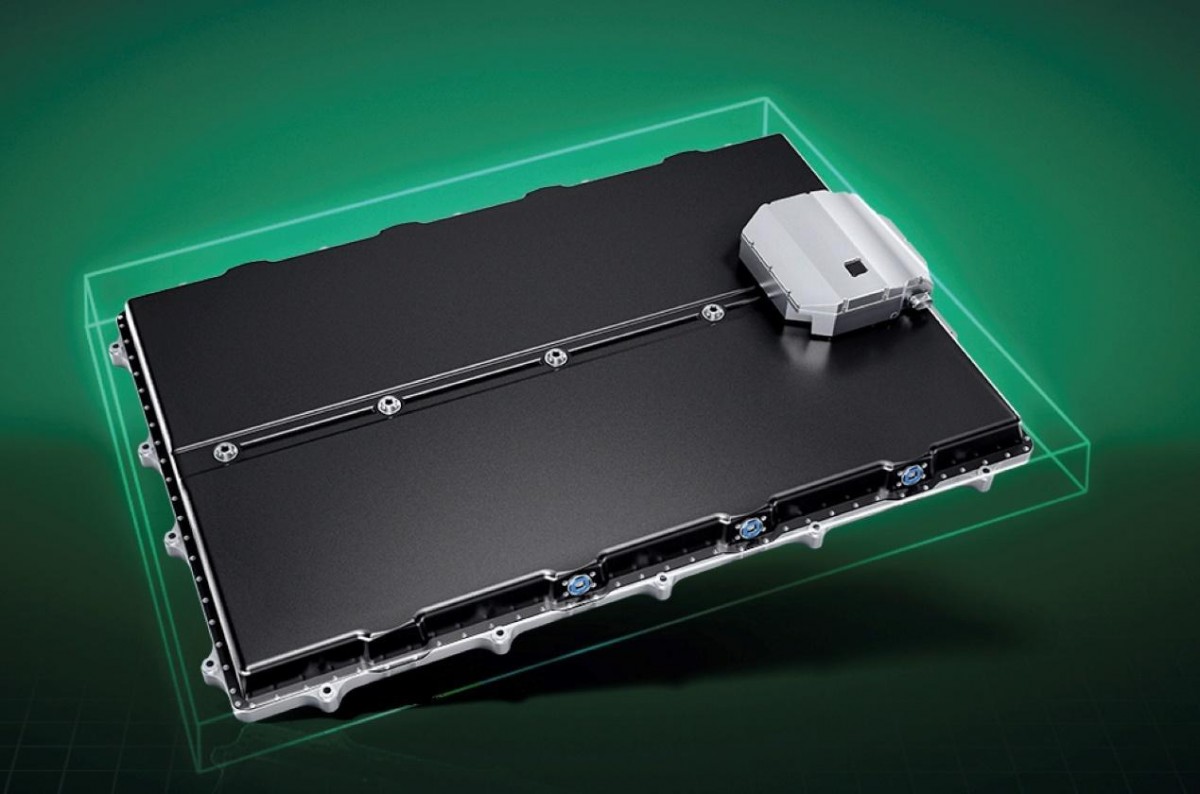 Mercedes-Benz EQXX high voltage battery
Though the EQXX remains a concept, the cutting-edge technology showcased here may soon find its way into Mercedes-Benz production vehicles, playing a pivotal role in establishing and maintaining dominance in the realm of e-mobility.