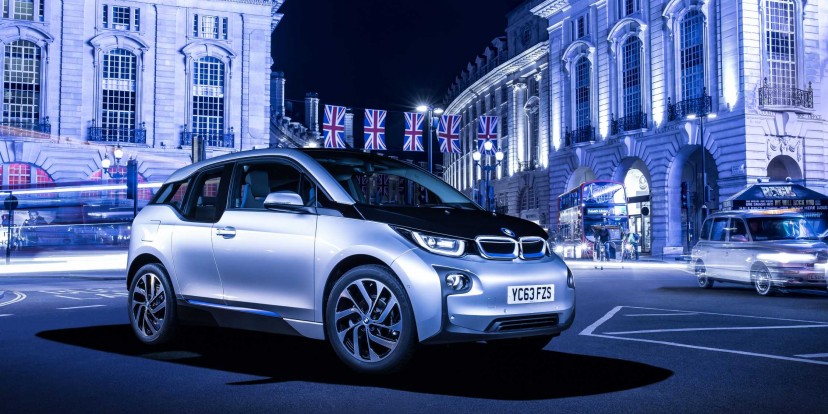
Introduced at the end of 2013, the BMW i3 was a pioneering compact fully electric vehicle available in two versions: all-electric and range extender. Despite being nine years old, its advanced technology remains unmatched by most mainstream electric cars today. Let’s explore why the i3 was ahead of its time and whether it still makes sense as a second-hand purchase.
 2013 BMW i3
Body and Chassis
Colin Chapman, the founder of Lotus, famously asserted that “adding lightness” is key; BMW embraced this philosophy with the i3. The car's construction utilized carbon fiber reinforced plastic (CFRP), aluminum, and magnesium—materials rarely found in mainstream automobiles due to their high cost and the complexity of mass production.
The i3 consists of two primary modules: the life module, which is the passenger compartment made of CFRP, and the drive module, made of aluminum, housing the chassis and drive components. This innovative design resulted in exceptional rigidity, eliminating the need for a B-Pillar, and contributing to the vehicles' immense safety.
Weighing just 1,270 kg with its initial 18.8 kWh battery, the i3 marked a significant shift in automotive manufacturing practices.
 The carbon and aluminum construction of the BMW i3
Powertrain and High Voltage System
The i3 was built on a dedicated electric vehicle platform that optimized its layout. Featuring a rear-mounted engine to power the rear axle, this design maximized handling capabilities, as electric motors deliver peak torque from zero rpm. It came equipped with a 3-phase permanent magnet synchronous motor, achieving a theoretical efficiency of up to 94%.
Available in power outputs of 170 hp and 184 hp for the “S” variant, the torque figures stood at 250 Nm and 270 Nm respectively. The single-speed gearbox featured a reduction ratio of 9.67:1, providing impressive torque of 2418 Nm for the base version and 2611 Nm for the “S” model. Acceleration from 0-100 km/h took just 7.2 seconds for the standard version and 6.9 seconds for the “S,” with a top speed electronically limited to 150 km/h and 160 km/h respectively.
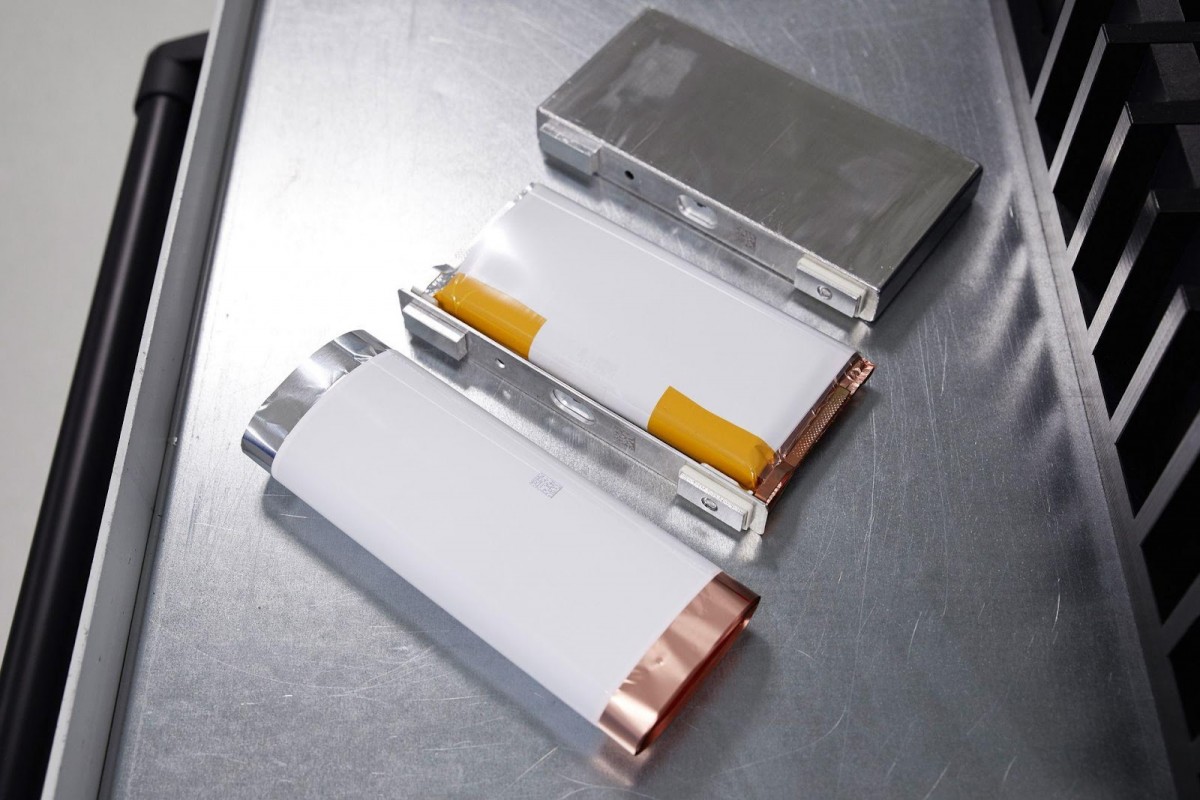
During its production, the i3 was fitted with three different liquid-cooled lithium-ion battery options: 60Ah, 94Ah, and 120Ah, corresponding to net energy contents of 18.8 kWh, 27.2 kWh, and 37.9 kWh, offering ranges from 160 km to 285 km. Additionally, the range extender variant featured a 647 cc two-cylinder motorcycle engine from BMW Motorrad, solely serving as a generator to extend the range to 300 km for the 60Ah model.
 The 120 Ah/37.9 kWh high voltage battery of the BMW i3
Running Gear
The i3 boasted fully independent suspension on all wheels, featuring a classic McPherson strut design in the front and a sophisticated five-link design in the rear, optimizing handling while maintaining comfort. Notably, the i3 utilized a unique wheel/tire combination of 155/70/R19 to minimize aerodynamic drag and rolling resistance, despite the challenges posed by its narrow tires.
The “S” version incorporated a sportier tire setup with 175/55/R20 in the front and 195/50/R20 in the rear. The braking system employed ventilated discs on all wheels, with the electric motor handling most everyday braking and featuring a maximum recuperation power of 50 kW.
Aerodynamics played a crucial role, with a projection area of 0.69 m² and a drag coefficient (Cd) of 0.29, helping to enhance the i3's overall efficiency.
 The advanced 5 link rear suspension of the BMW i3
Interior Philosophy
The innovative nature of the BMW i3 extended to its interior design as well. The absence of a B-pillar, opposing front and rear doors, and the flat floor created an unprecedented sense of spaciousness in the supermini segment. Furthermore, the layout of the instrument cluster and the larger infotainment screen, both freestanding, have influenced contemporary trends in automotive design.
The materials used reflected a commitment to sustainability, incorporating recycled plastics, eucalyptus wood, and natural tanning agents such as olive tree leaf extract—aligning with the car's eco-friendly ethos.
 BMW i3 interior
Is the BMW i3 Still Relevant Today?
Absolutely. The level of technology and materials in the BMW i3 remains impressive, though the battery capacity is now its most evident limitation. With a maximum battery size of 37.9 kWh, the i3 is ideal for urban driving but may not suffice for long-distance travel. Nevertheless, it remains a viable choice for an electric vehicle suited for city use with the capability for occasional longer trips.
 BMW i3S
When it comes to used BMW i3 prices, the market shows intriguing trends. According to CarGurus, the average price is approximately $26,178.12, reflecting a significant increase of 33.9% since last year. Listings range from $13,990 to $47,500, with 446 units available. A search on mobile.de reveals 837 i3s priced between €14,400 for a 2016 model with 68,000 km and €47,900 for a 2021 i3S with only 1,300 km driven. The UK market reflects slightly higher starting prices, with Auto Trader listing 177 available cars ranging from £21,795 to £40,900.