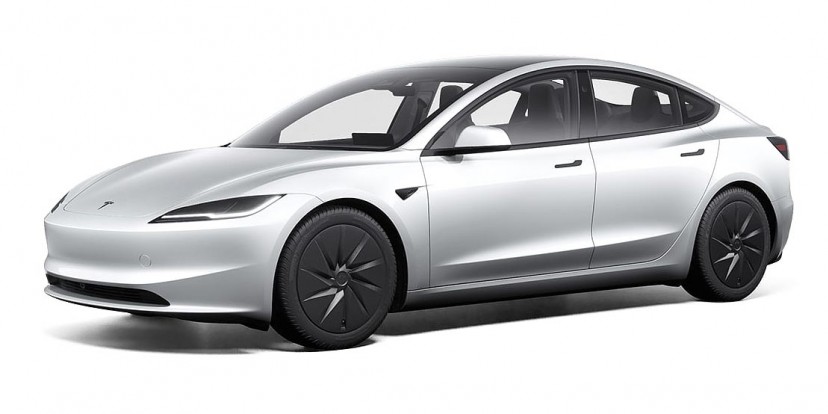
Tesla is making a strategic push into the European mass market by launching new "Standard" versions of its popular Model 3 and Model Y electric vehicles. By lowering prices and reducing features, the company aims to fiercely compete with rivals and recover market share in a region where sales have significantly declined.
Recent data highlights the urgency of this move: Tesla's registrations across Europe dropped by 12.3% year-over-year in November. Excluding Norway—where sales temporarily surged due to expiring government incentives—the decline deepens to over 36% across the rest of Europe. To counter this trend, Tesla has sharply reduced the entry price, betting that affordability will appeal even if some features are sacrificed.
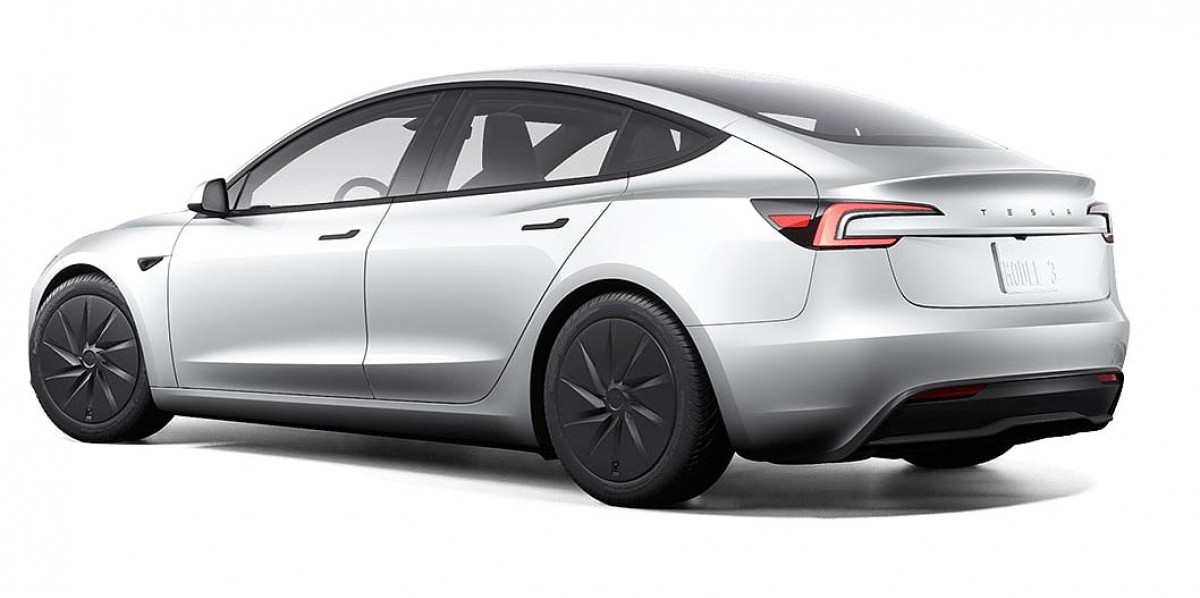
The new Model 3 Standard is central to Tesla’s strategy. In major markets such as Germany, France, and Italy, its price now stands at €36,990—just below the psychologically important €37,000 threshold. This positions the Model 3 competitively against conventional gasoline vehicles and many electric competitors.
Despite the lower price, the Model 3 Standard offers solid performance with a WLTP range of 332 miles and acceleration from 0 to 62 mph in 6.2 seconds. To reach this price point, Tesla has made notable feature reductions.
Compared to the Premium and Long Range trims, the Standard interior features partially textile seats instead of full vegan leather upholstery. Rear passengers will lose the recently added 8-inch display and heated rear seats. Audio quality is downgraded to a seven-speaker system, with the removal of the subwoofer and amplifiers. Externally, alloy wheels are replaced by steel ones.
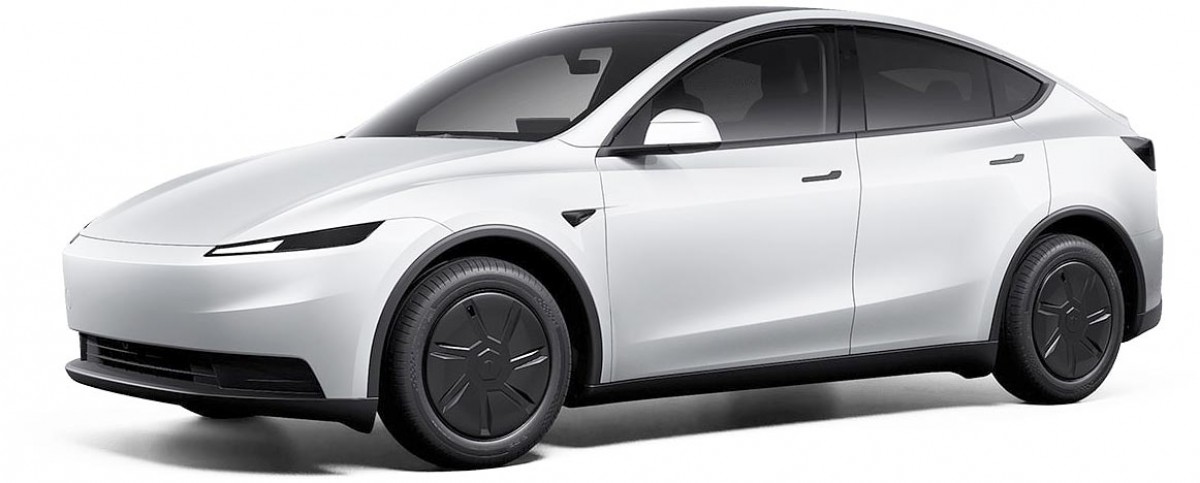
The larger Model Y also receives a Standard trim, priced at €39,990 in key European markets. It offers the same 332-mile WLTP range as the Model 3 Standard. However, this version is less attractive competitively, priced closer to the better-equipped Premium model yet lacking many amenities. Still, both vehicles now compete aggressively with electric offerings from Chinese and European manufacturers.
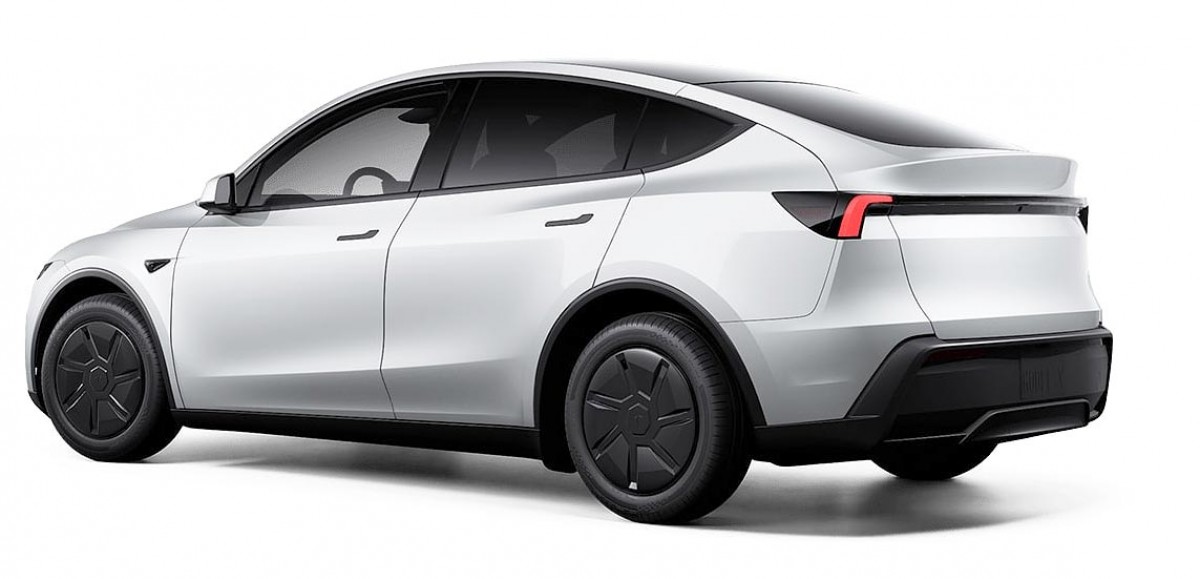
At €1,000 less than the BYD Atto 3—the Chinese competitor posing Tesla’s biggest challenge—the Model 3 Standard offers more space and greater range than the recently discounted Volkswagen ID.3 Pure, which starts near €29,760 (including bonuses) in Germany. The Model Y Standard’s €39,990 price undercuts the VW ID.4 Pure, priced at approximately €40,335, and benefits from Tesla’s superior software and charging network.
These steep price cuts represent Tesla's effort to reinvigorate its struggling European operations, which have been impacted by a stagnant product lineup, intensifying competition, and perceived “brand toxicity” linked to CEO Elon Musk’s political activities. By introducing more affordable, feature-light models, Tesla is taking a calculated risk to halt declining sales and regain momentum in Europe—though whether this strategy will succeed remains uncertain.


