Samsung's Exynos chips have often found themselves in the shadow of their Snapdragon counterparts, yet the tech giant is committed to pushing this line forward. Despite criticisms of performance, the latest iterations of Exynos SoCs, such as those found in the Galaxy Z Flip 7 and Galaxy S26, suggest a strategic pivot that could prove beneficial in the long run. In this article, we explore the architectural shifts within Exynos and why this could mark a turning point for Samsung.
A Potential Architectural Shift Inside Exynos
The consistent inclusion of Exynos chips in premium devices indicates Samsung's belief in their viability. However, challenges remain as they strive to overcome the perception of inferiority, particularly when pitted against the more widely accepted Snapdragon range.
The Role of WLP in Progress
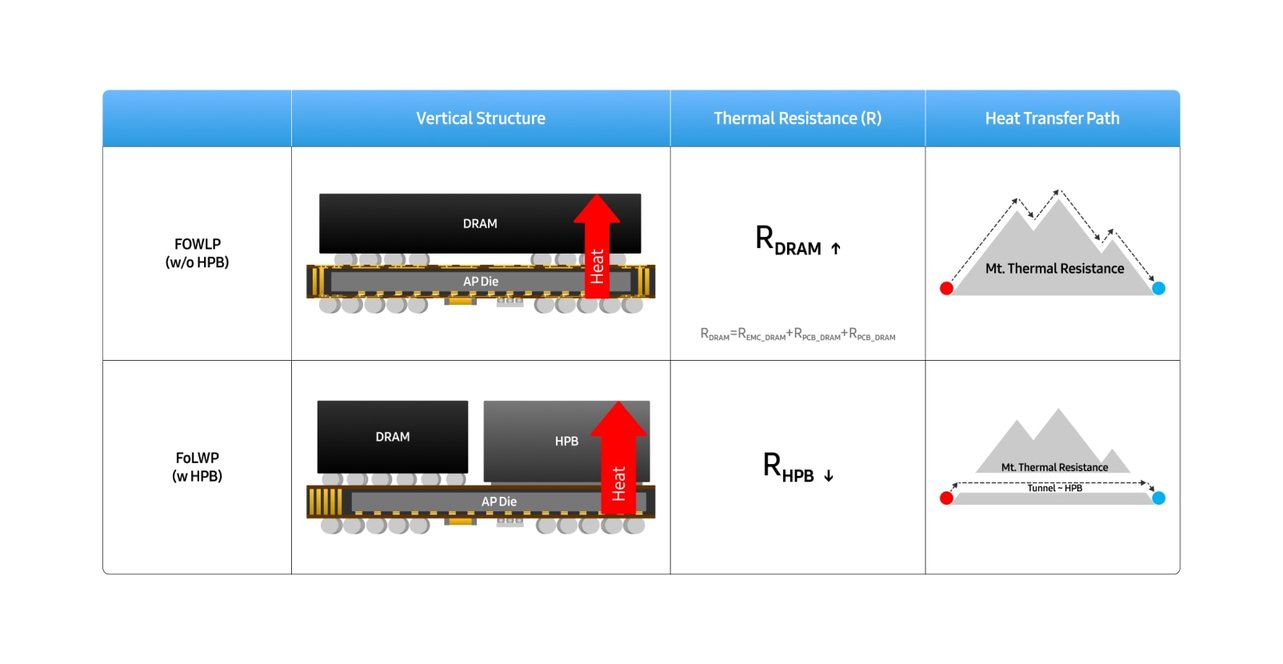
Exploring the Unknown Frontier
The development of the Exynos 2700 is proceeding smoothly, utilizing the strengths garnered from its predecessor, the Exynos 2600. These advancements aim to boost market share and improve AI capabilities, as stated by Shin Seung-cheol, Executive Vice President and Head of System LSI Sales at Samsung Electronics.
Expensive Doesn't Always Mean Impressive