The automotive industry is constantly pushing boundaries, and one of the most visible changes in recent years has been the reinvention of something drivers have relied on for decades: the side mirror. Camera-based mirror systems are steadily replacing traditional glass mirrors on modern vehicles, promising improved efficiency and a futuristic driving experience. But as with any emerging technology, they come with trade-offs. In this article, we explore how mirror cameras work, where they shine, where they fall short, and why having the freedom to choose might matter more than you think.
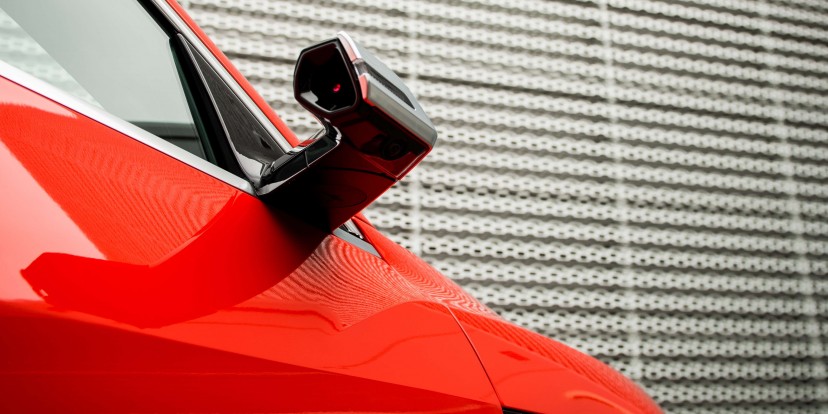
Swapping conventional side mirrors for compact cameras has emerged as a defining trend in contemporary vehicle design. Following several eye-catching concept cars like the Volkswagen XL1, Audi committed to the technology in 2019 by offering camera mirrors as an option on the e-tron. That same year, Honda went even further, making its side camera mirror system standard equipment on every Honda E.
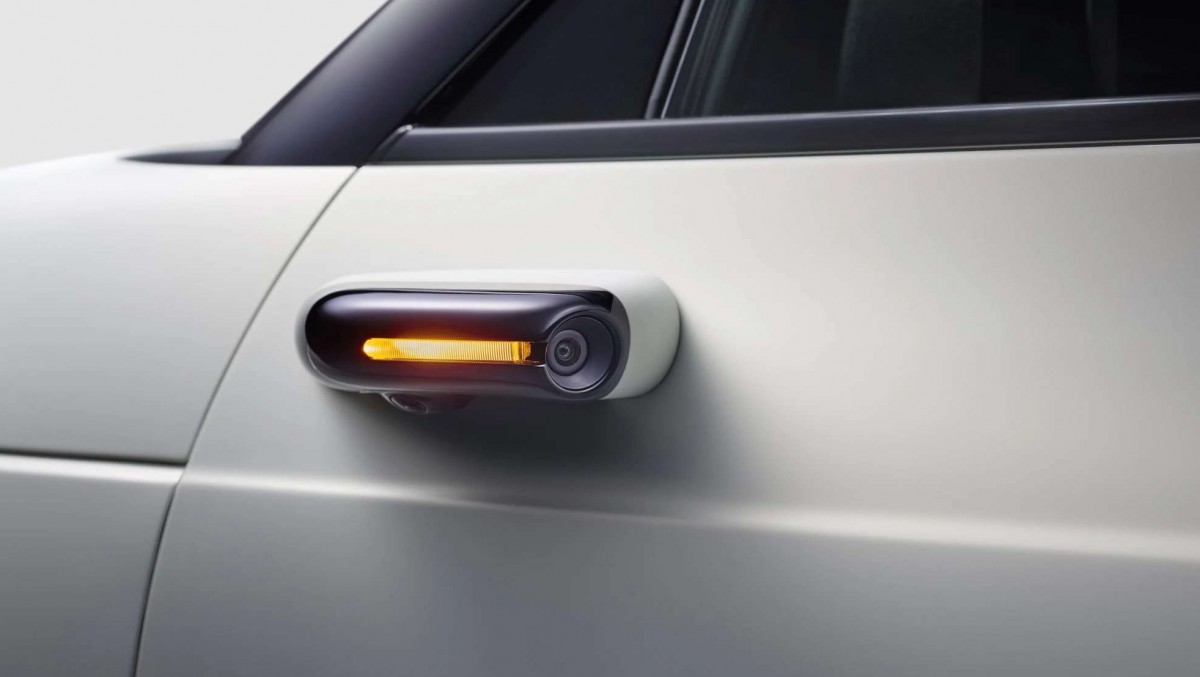
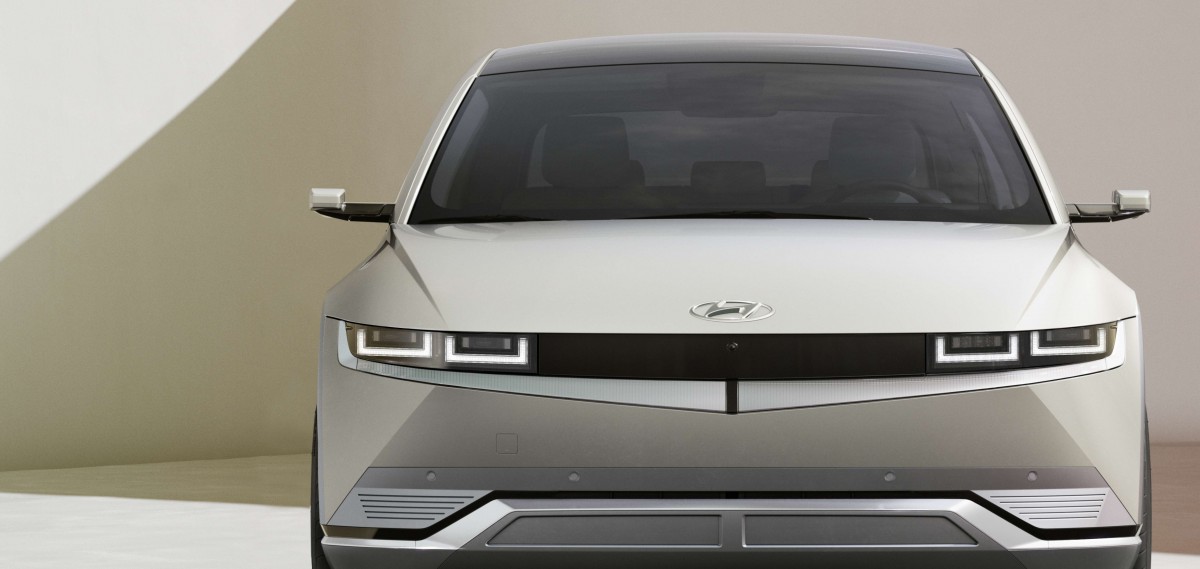
Adoption has continued to grow, with models like the Honda E and Hyundai Ioniq 5 leading the charge. One major factor limiting wider rollout is regulation — the technology still isn't road-legal in the United States. Should US regulators give their approval, expect mirror cameras to spread rapidly across the EV market, especially since brands like Tesla have advocated for them for years.
Efficiency gains are just the beginning
The headline benefit of mirror cameras has been well-publicized: superior aerodynamics. Because cameras are significantly smaller than traditional mirror housings, they reduce drag and cut down wind noise, translating directly into better energy efficiency. According to Honda, the technology delivers a 3.8% boost in efficiency, which extends driving range accordingly.
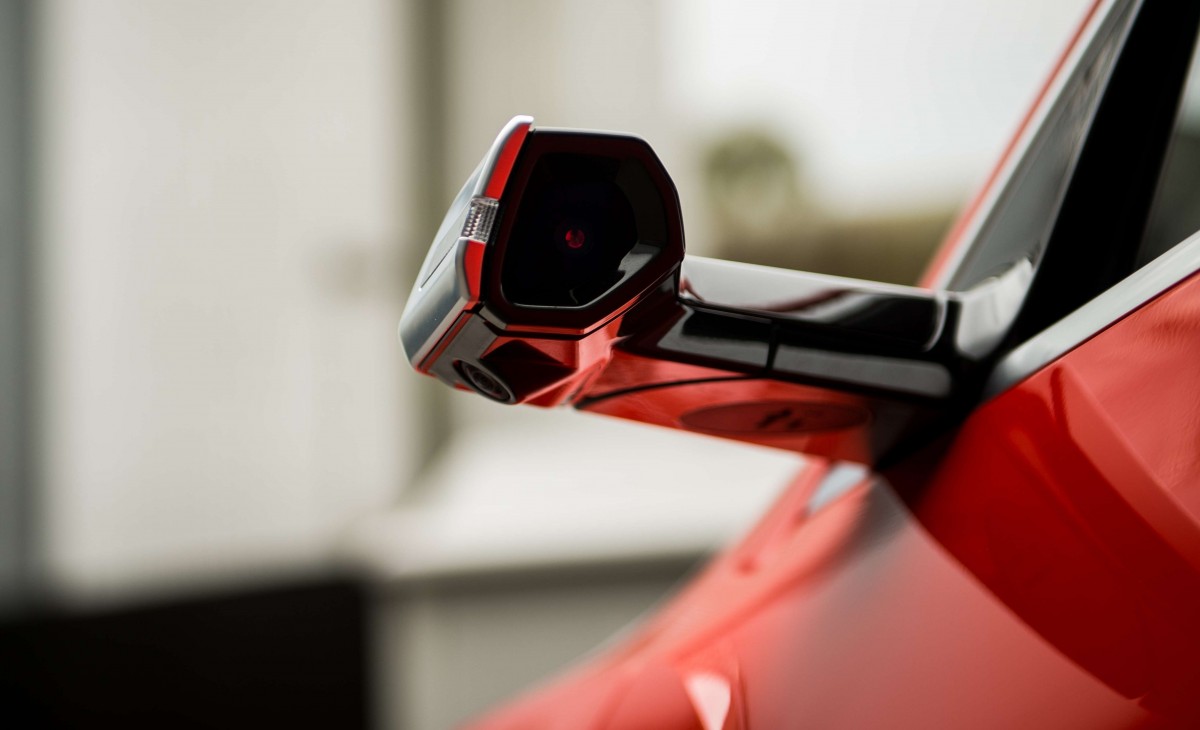
Safety is another compelling advantage. Wide-angle camera lenses dramatically expand the driver's field of view, effectively erasing the blind spots that plague conventional mirrors. Given that blind spots represent one of the most dangerous limitations of standard mirrors, any technology that addresses them deserves serious consideration.
Camera systems can also outperform glass in challenging visibility scenarios — think dimly lit tunnels, nighttime parking, or harsh weather. Unlike a passive mirror, a camera's exposure, ISO, and white balance can all be tuned to compensate for difficult conditions, revealing detail the naked eye might otherwise miss.
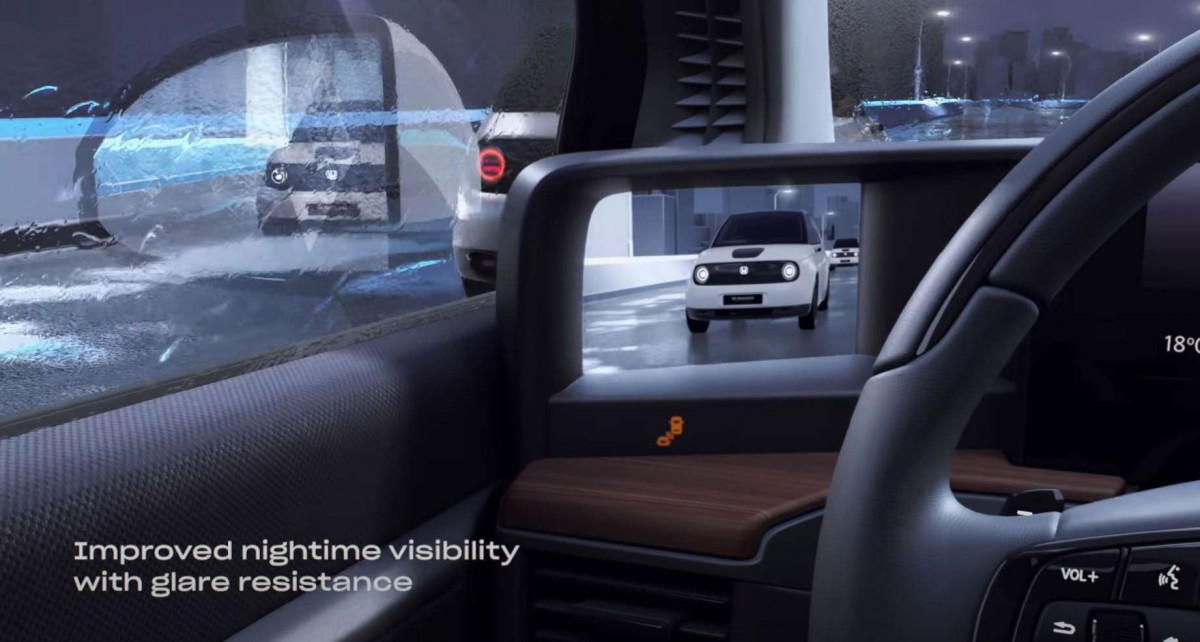
There's also the design factor. Mirror cameras lend vehicles a sleek, minimalist, and forward-looking appearance that aligns beautifully with modern EV styling. Given how frequently concept cars debut without traditional mirrors, it's clear that automotive designers have been eager to retire them for years.
The drawbacks you should know about
Despite their appeal, camera mirrors carry some notable downsides. Cost is the most obvious — they're pricier to purchase and far more expensive to replace than a simple piece of glass. Their added complexity also introduces more potential failure points, and repairs are considerably more involved than swapping out a cracked mirror.
Reliability concerns extend beyond hardware durability. Camera footage can appear grainy or soft in low-light environments, and on bright days, lens flare can wash out the image entirely — potentially leaving drivers with a compromised view at the worst possible moment.
Interior display placement presents its own challenges. To preserve familiar driver behavior, most manufacturers mount the screens on the door panels. However, these displays risk becoming distractions, particularly if brightness can't be dimmed adequately for nighttime driving.
One frequently overlooked drawback involves drivers with imperfect vision — specifically presbyopia, the age-related decline in the eye's ability to focus on nearby objects.

Here's why it matters: a traditional mirror simply reflects light from distant objects, so your eyes focus at a far distance — the same as looking at the road. Any existing vision conditions like myopia or hyperopia behave identically in both cases. A camera display, however, is a physical screen positioned close to the driver, demanding near-focus vision instead.
Even drivers wearing bifocals or progressive lenses face difficulties, because rapid shifts in focal distance strain the eyes — particularly at night, and especially since the upper portion of bifocal lenses is designed for distance viewing, not close-up screens. The same problem affects screen-based rearview mirrors: no prescription can eliminate the refocusing effort, because the limitation lies in the eye itself, not the corrective lenses.
A conventional rearview mirror keeps focal distance consistent with the road ahead, sitting naturally between the near focus of the instrument panel and the far focus of the windshield view. A screen-based replacement disrupts that balance, forcing the eyes to constantly readjust — a genuine hurdle for bifocal wearers whose lenses aren't designed for that intermediate distance.
The case for keeping options open
The key takeaway is that no single innovation suits everyone. Progress in automotive technology should absolutely continue, but today, mirror cameras only make sense for a portion of drivers. The ideal outcome is a market where buyers can decide for themselves whether cameras or conventional mirrors fit their needs. Encouragingly, most manufacturers currently offer that flexibility — let's hope cost-cutting pressures don't eventually take the choice away.