Image credit — Fpt.
Apple has spent a significant amount of time developing its first foldable iPhone, aiming to deliver the most flawless foldable flagship the tech world has ever seen. However, despite the hype, the initial version isn’t going to be perfect, and if I had any advice, it would be to skip the first generation and wait for its sequel. Here’s why you’ll be glad you waited.
First Foldable iPhone: Far from Flawless
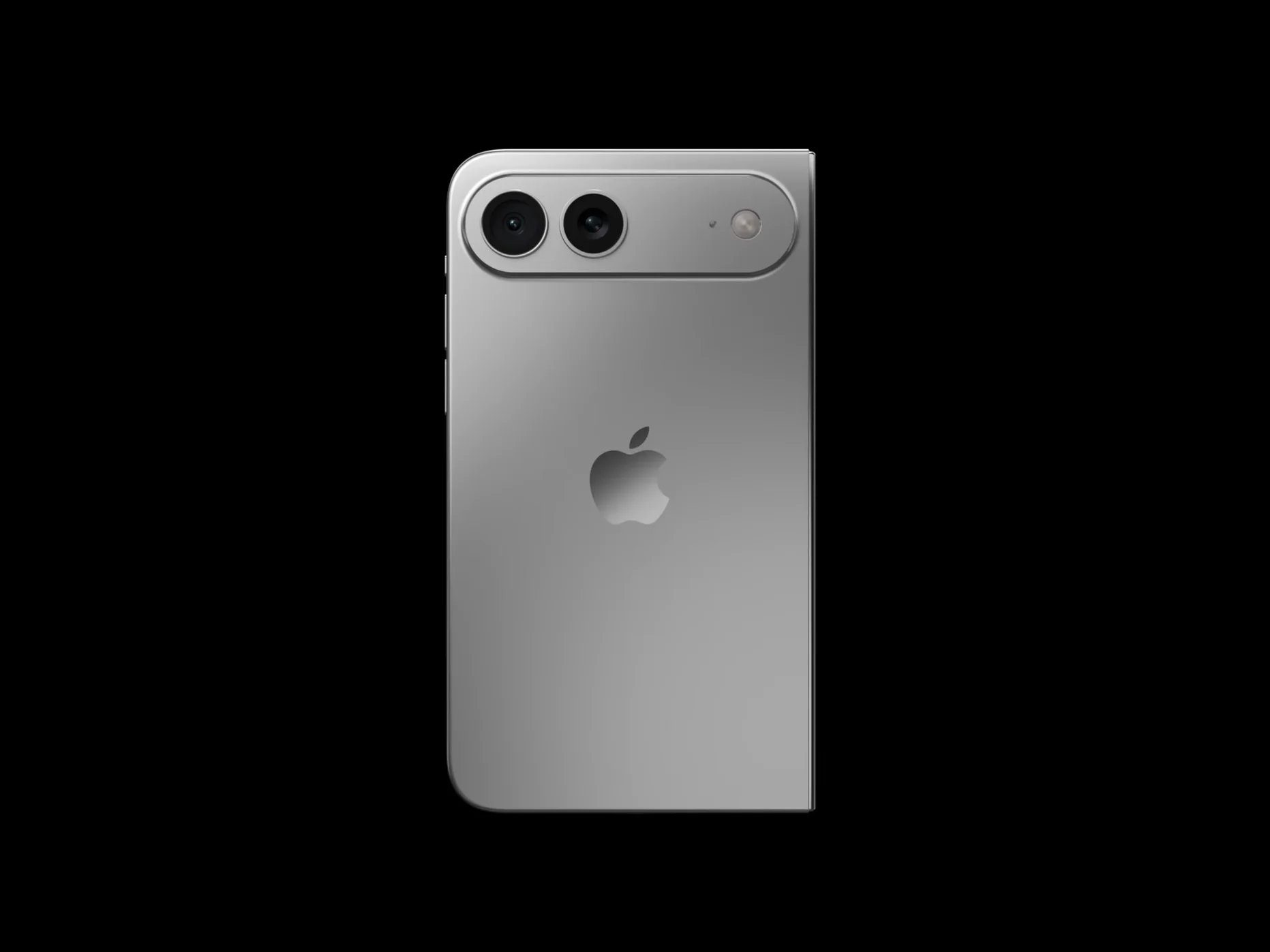
Leaked foldable iPhone design render. | Image credit — Fpt.
Apple’s foldable iPhone is unlikely to feature a crease-free display, something the company wanted desperately to avoid. Reports indicate the phone will still have a fold crease, though it might be less pronounced than on Samsung’s Galaxy Z Fold 7. While less visible in daily use, the crease remains an imperfection that users will notice.
In addition to the crease, Apple’s design takes an unusual approach with a wider-than-tall unfolded form factor. Although this is not a unique approach in the foldable phone market, it is uncommon and could deter some users. The foldable iPhone is also reportedly thicker and heavier than Samsung's next-generation Fold 7 and upcoming Galaxy Z Fold 8, measuring approximately 10 mm thick and weighing 255 grams versus 8.9 mm and 215 grams on Samsung’s model.
A First-Generation Experiment with Room for Improvement
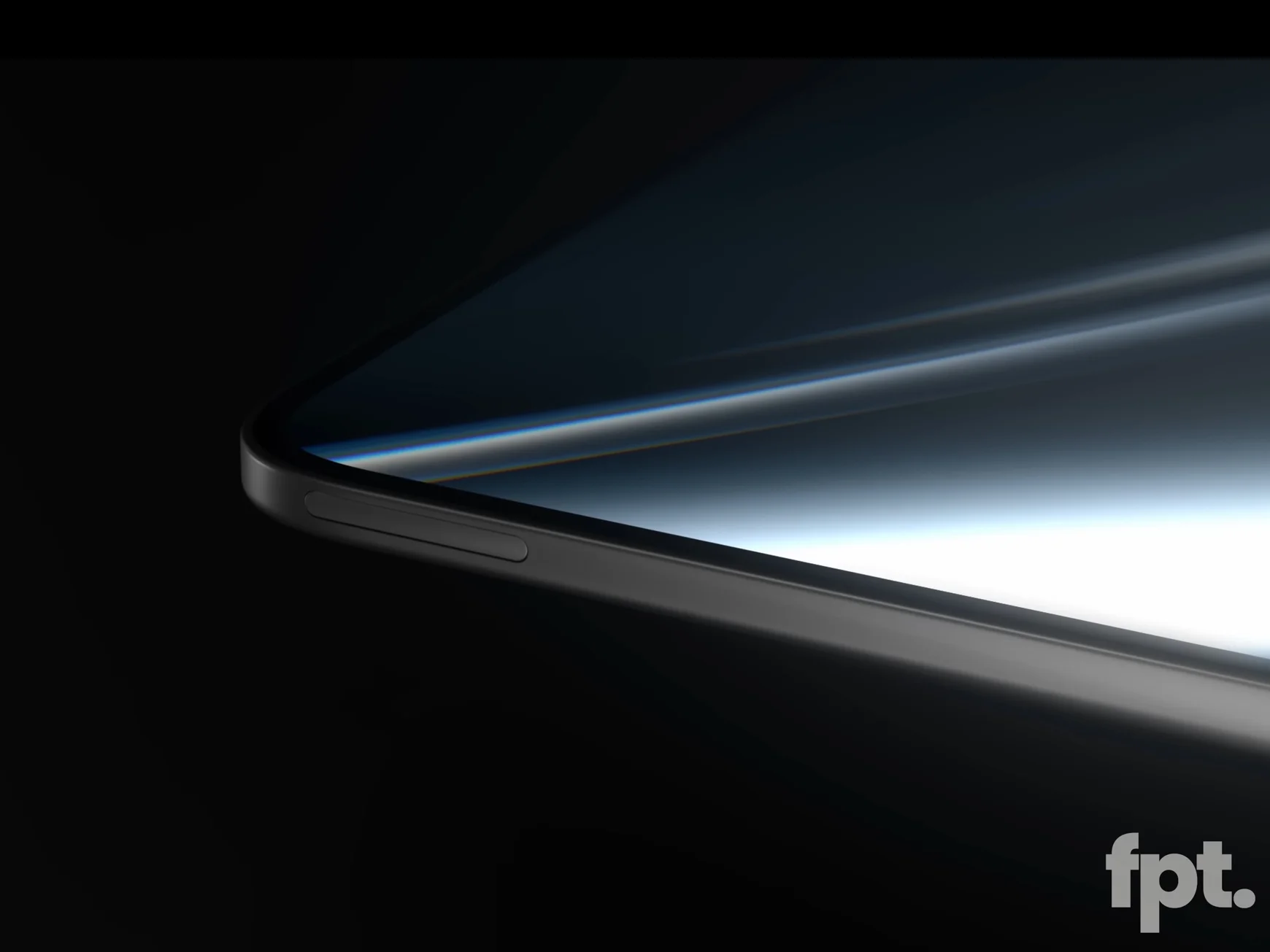
The foldable iPhone is rumored to feature Touch ID in a side power button rather than the more modern Face ID or under-display sensors. | Image credit — Fpt.
This foldable iPhone is an experimental build, with many key features potentially changing in future iterations. For example, the wide fold design might be dropped, and biometric authentication could be upgraded to Face ID as seen on other Apple devices. The camera system is also expected to evolve significantly in upcoming models.
Due to physical constraints linked to the innovative new hinge structure, Apple can only fit Touch ID on the side-mounted power button for now, reportedly making it impossible to incorporate Face ID or under-display Touch ID without increasing bulkiness.
Price and Value Considerations
The foldable iPhone will likely be priced around $2,400, placing it among the most expensive smartphones on the market. This steep cost is reflective of the ongoing industry-wide shortages impacting both Samsung and Apple phones. While the foldable iPhone introduces groundbreaking tech, it may not justify the high price tag–at least in its first generation.
What Do Consumers Think?
Current poll results from 38 votes:
- 18.42% think it sounds awesome
- 81.58% don’t think it’s worth it
Despite its flaws, make no mistake — the first foldable iPhone will likely sell like hotcakes immediately after launch. But if you want a truly refined and polished foldable experience, it may be worth holding onto your money for the next-generation model.