In 2025, Xiaomi delivered an impressive lineup of products spanning multiple categories. No longer trailing industry giants like Apple and Samsung, the brand is confidently carving its own path, extending beyond smartphones into new horizons.
As one of China’s fastest-growing brands, Xiaomi’s foray into the automotive sector has already shown promise. Its first vehicle, the SU7, has been a commercial success, and the newly launched electric SUV, the YU7, looks poised to continue this momentum. Yet, smartphones remain Xiaomi’s core strength—so we begin by highlighting some standout devices from the year.
Winner: Xiaomi 15 Ultra
The Xiaomi 15 Ultra may not reinvent the wheel, but its iterative improvements firmly establish it as a top contender in 2025. The Ultra series always showcases Xiaomi’s prowess in smartphone photography, and this model is no exception.
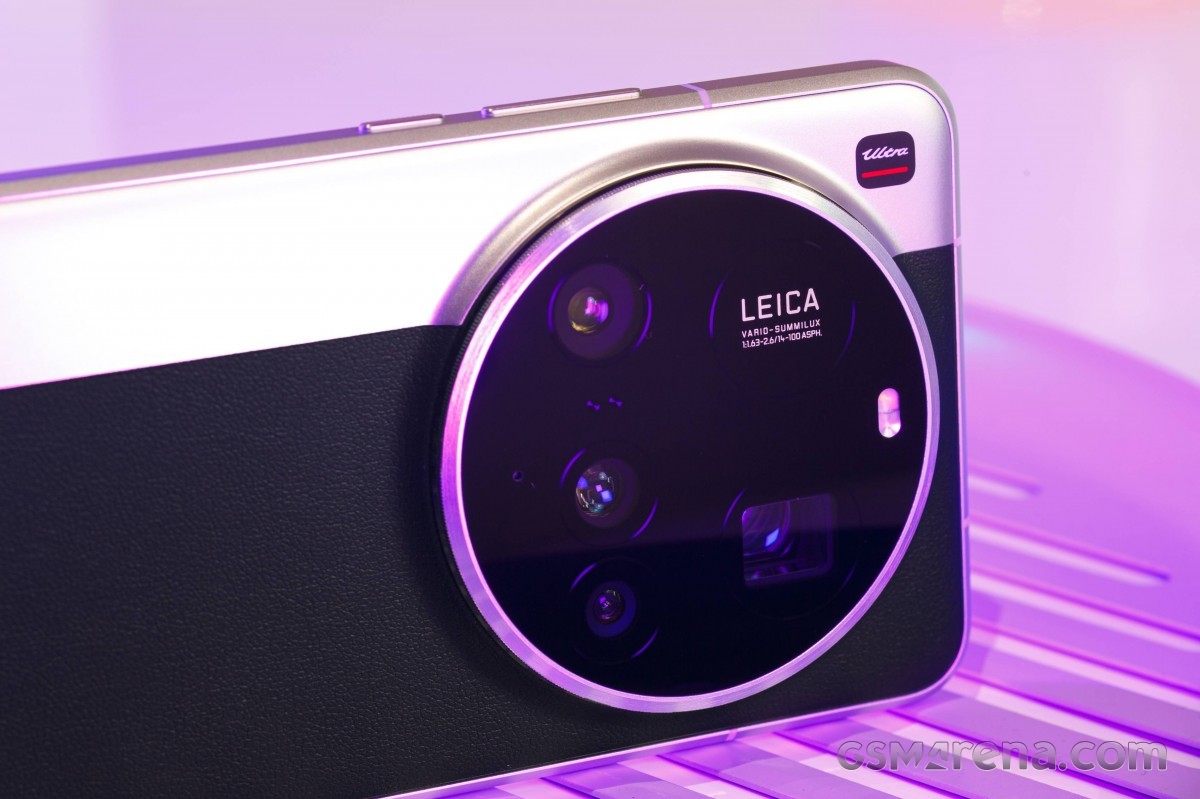
Featuring a rare combination of a 1-inch main sensor alongside a 200MP telephoto periscope lens (100mm equivalent) with 4.3x optical zoom, plus a secondary 70mm telephoto lens, the 15 Ultra arguably offers the most versatile camera setup of the year. Complementing this is a 50MP ultrawide lens, making it an all-round photography powerhouse.

Beyond its camera system, the 15 Ultra impresses with enhanced battery life and a distinctive design, further elevated by an optional photography accessory kit.
Xiaomi 15 Ultra
| 512GB 16GB RAM | $ 1,356.71 | € 1,199.00 |
| Show all prices |
Winner: Poco F7
You don’t need to spend top dollar for an excellent smartphone in 2025—the Poco F7 proves that. It boasts a bright, vibrant 12-bit AMOLED display, the powerful Snapdragon 8s Gen 4 chipset, and strong battery endurance, making it a standout choice in the affordable €330/£300/INR 30,000 segment.
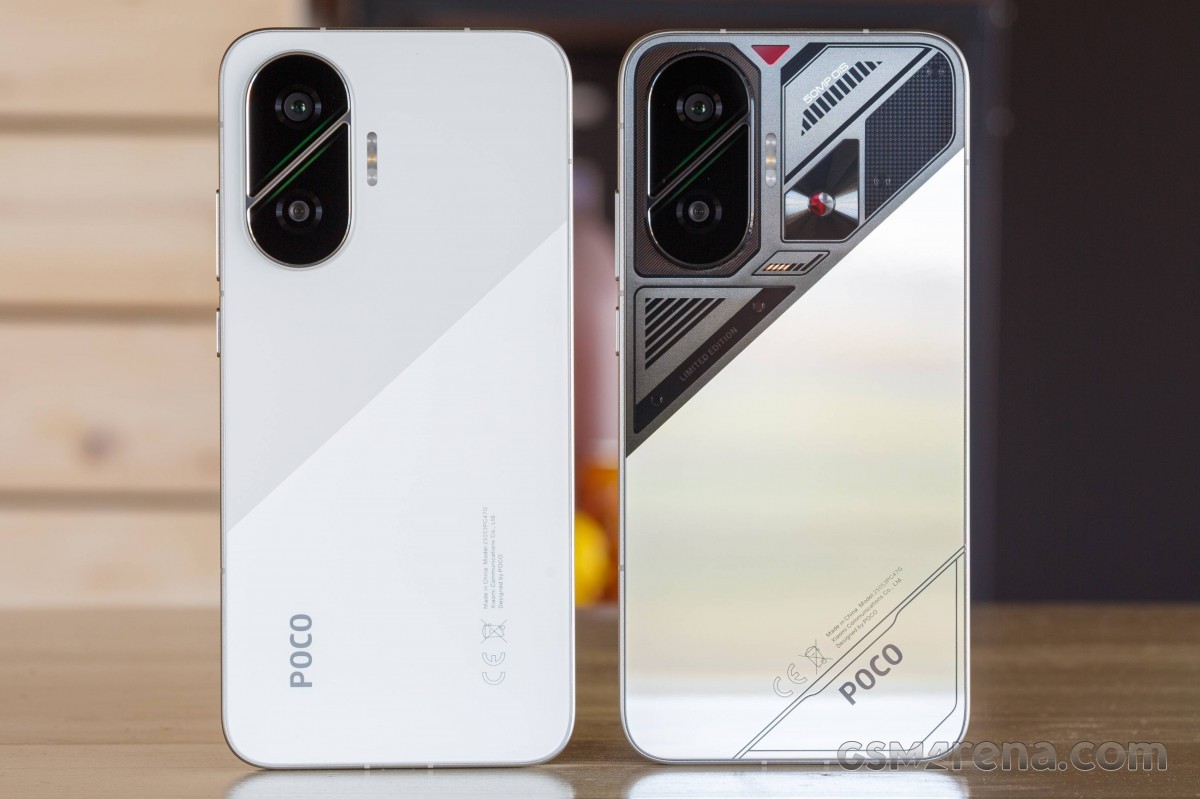
The F7 features a premium aluminum and glass build with IP68 water resistance. While its camera hardware remains unchanged from the F6, and it retains an outdated USB 2.0 port, the Poco F7 remains one of the best all-rounders in its price category.
Xiaomi Poco F7 5G
| 256GB 12GB RAM | $ 529.99 | $ 368.65 |
| 512GB 12GB RAM | $ 529.99 | $ 422.65 |
| Show all prices |
Winner and Loser: Xiaomi 17 Pro Max
The Xiaomi 17 Pro Max stands out in 2025 for its innovative design and flagship features. Its large rear secondary display integrated into the camera island elevates its utility beyond a mere gimmick, offering functionalities such as answering calls, checking notifications, and providing a high-quality viewfinder for superior selfies and vlogging.
Xiaomi 17 Pro Max secondary display
The device also boasts a Snapdragon 8 Elite Gen 5 processor, excellent battery life, and 100W fast charging, rounding off a strong flagship package.

Unfortunately, Xiaomi has not announced a global release for this model. While we appreciate the overall package, the company’s decision to skip a generation number—ostensibly to compete directly with Apple—is a questionable marketing strategy that prioritizes branding over substance.
Loser: Redmi Note 14 5G (Global)
The Redmi Note series continues to perplex, and the Note 14 lineup is no exception. The Redmi Note 14 5G exists as three distinct phones worldwide, depending on the region.
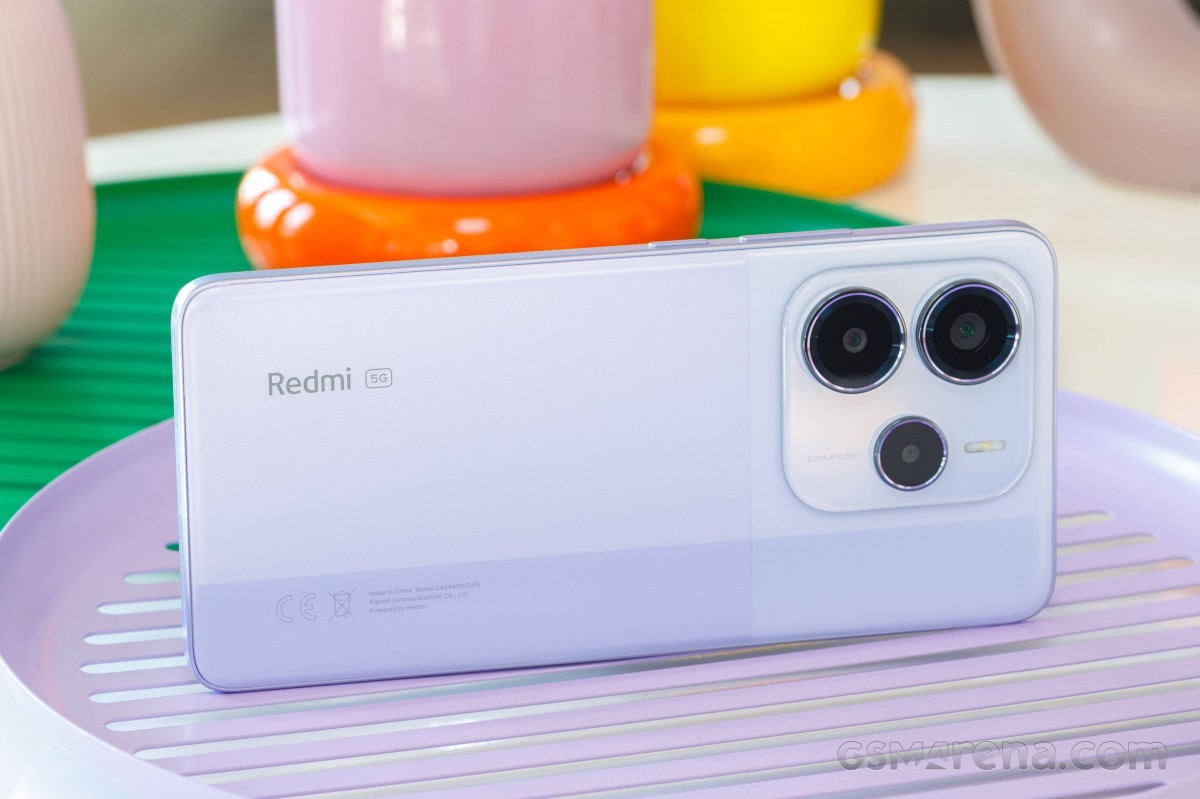
While tailoring devices to local markets is understandable, the global version of the Note 14 5G missed the mark. It lags behind competitors in critical areas like performance, camera quality, and battery life, making it a disappointing entry in the segment.
Winner: Xiaomi YU7
Xiaomi’s electric vehicle division is gaining traction. Following the success of the SU7 sedan, the new electric SUV YU7 shows tremendous promise heading into 2026. With record-breaking demand in China, a stylish design, and a well-rounded feature set, the YU7 is positioned as a key growth driver.
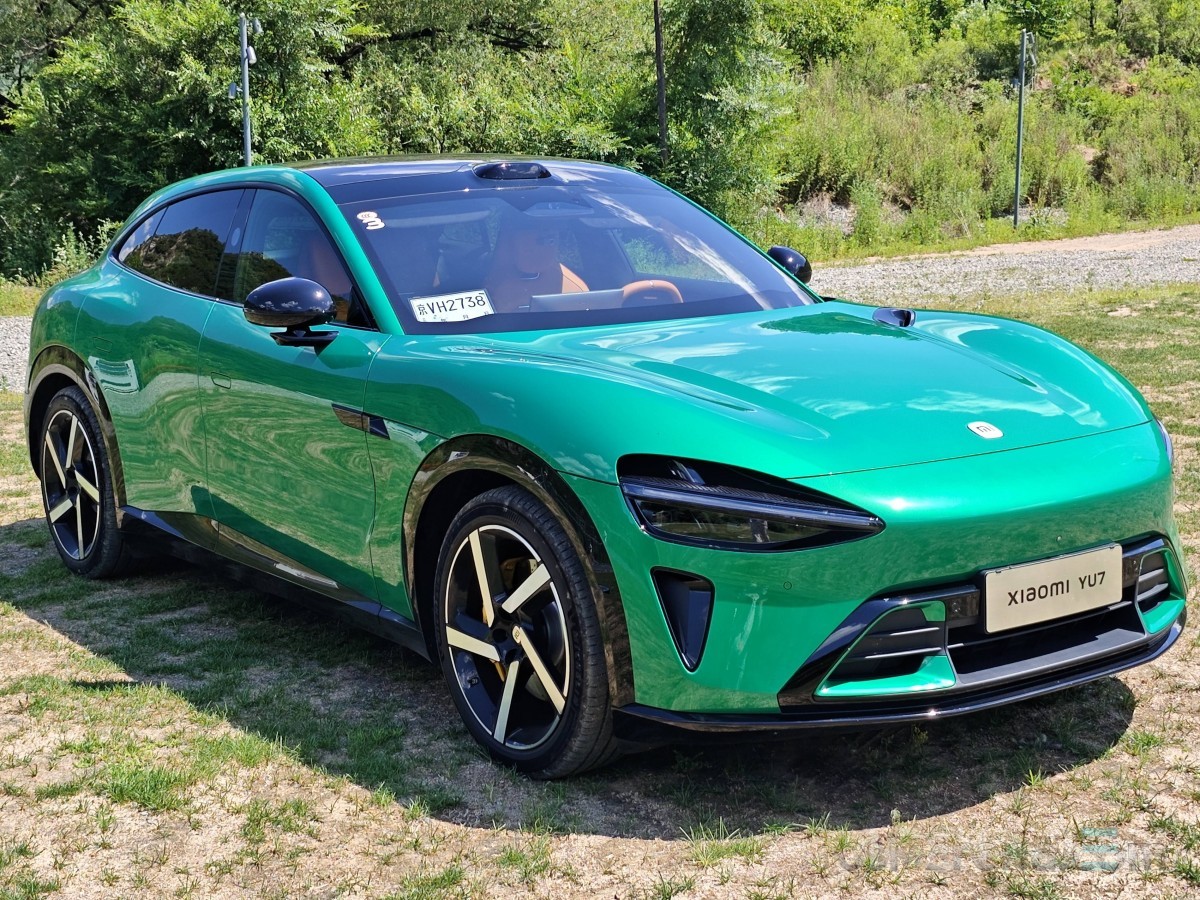
During our brief hands-on experience with the YU7 Max, we found it offers all the strengths of the SU7 with a roomier SUV body, higher seating position, and a smoother ride, aligning well with current market trends in automotive preferences.
Loser: Xiaomi Mix Fold 4 Successor
While the Mix Fold 4 marked a significant improvement over its predecessor, its availability remained limited to China. Unfortunately, 2025 saw no direct successor in the foldable phone lineup.

Xiaomi released only one foldable this year—the Mix Flip 2—neglecting the book-style foldable segment. Rumors predict a Xiaomi 17 Fold in 2026, but missing a generation amid growing foldable market share raises questions about this strategy.
Loser: Redmi Note 15 Series
The confusion surrounding the Redmi Note series continues with the Note 15 lineup. The two base models differ only in chipset and battery size, while the two Pro models share nearly identical features aside from their processors.
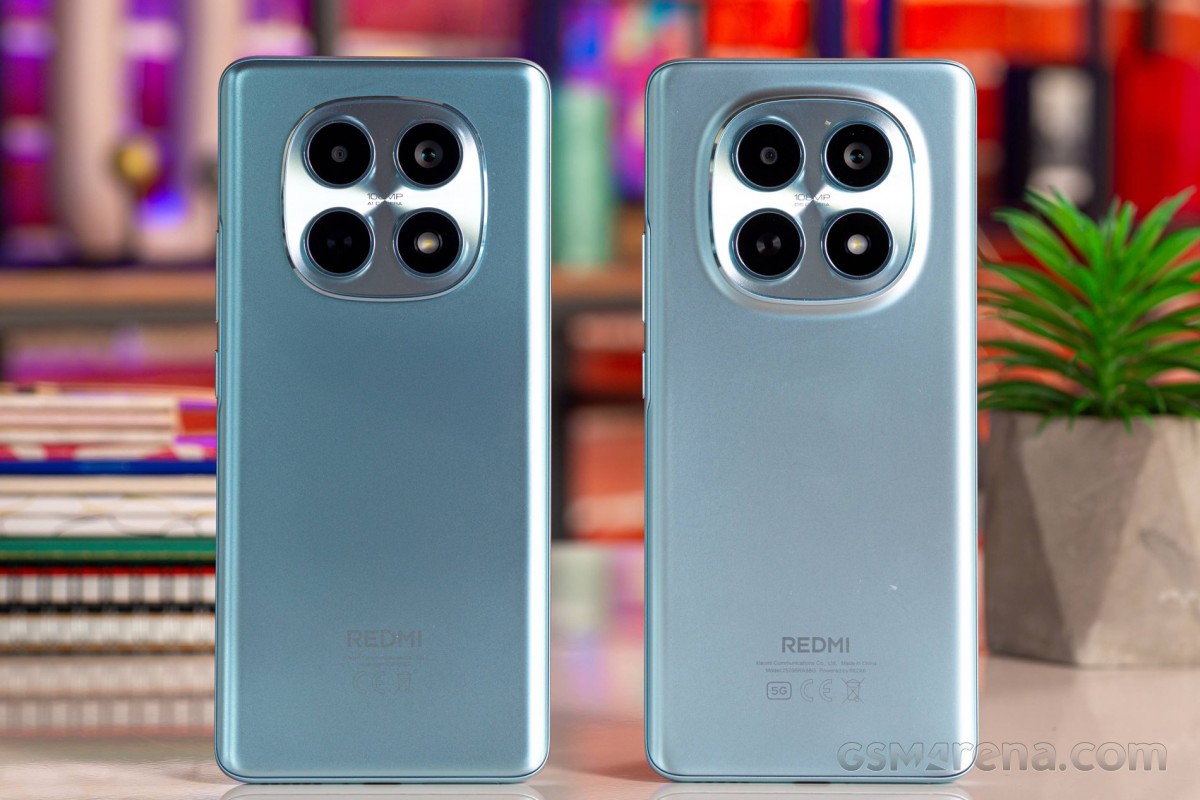
Additionally, the entire Note 15 series launched with Android 15 late in 2025, yet the 4G variants still lack 4K video recording—a feature that should be standard at this stage. Xiaomi’s perplexing naming conventions have grown tiresome, and clearer differentiation in future Redmi releases would be welcome.


