Google's hardware division experienced a challenging 2025, launching new phones that lacked significant innovation. This approach is especially detrimental outside the US, where competition from numerous manufacturers is intense.
Although Google is not primarily a hardware company, it produces smartphones, earbuds, and smartwatches annually. Yet, it struggles to make a substantial market impact against dominant rivals like Samsung and Apple.
Still, Google's phones continue to improve incrementally. Here’s a detailed look at this year’s winners and losers for the company.
Winner: Google Pixel 10 Pro and 10 Pro XL
The flagship of the series, the Pixel 10 Pro XL, is expected to be the most popular Pixel phone of the year. The smaller Pixel 10 Pro, while less sought after, remains a strong offering from Google.
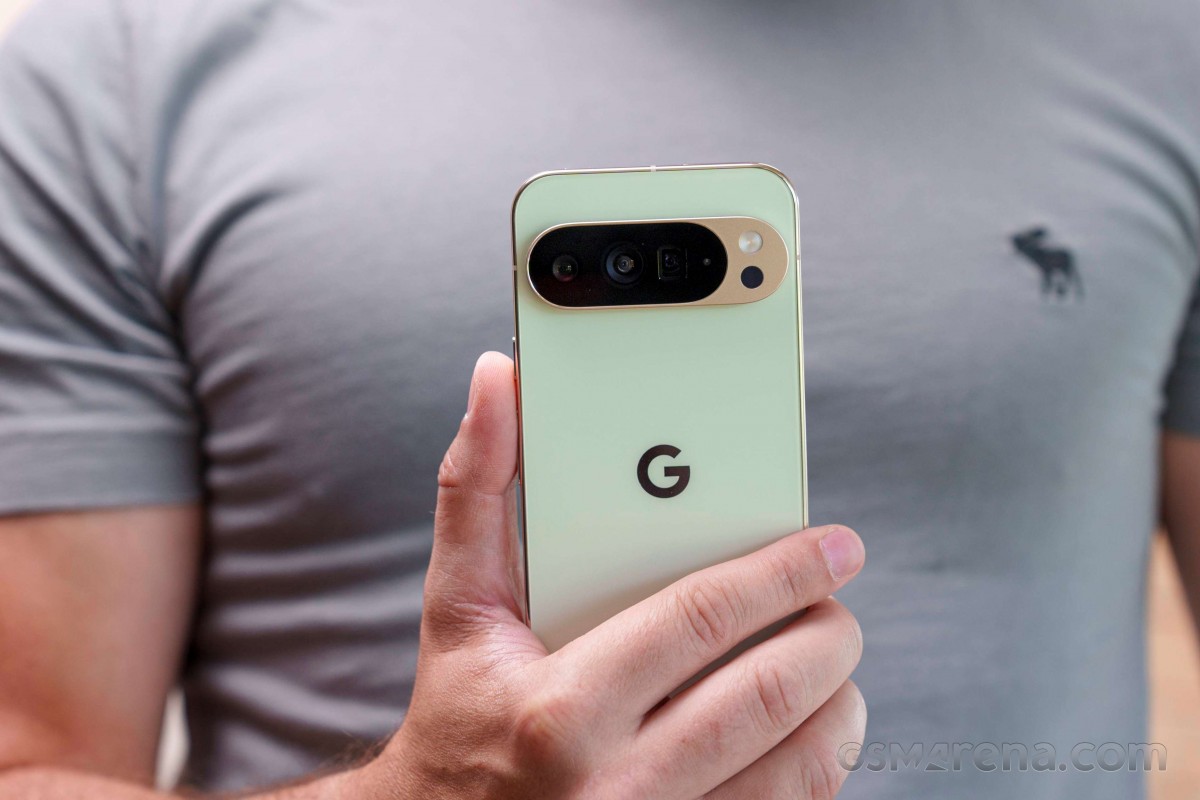
This year’s Pro models feature upgraded batteries and chipsets but retain the proven triple-camera system, display quality, and design elements from previous models.
Google Pixel 10 Pro XL 5G

Google Pixel 10 Pro 5G
Winner: Google Pixel 10
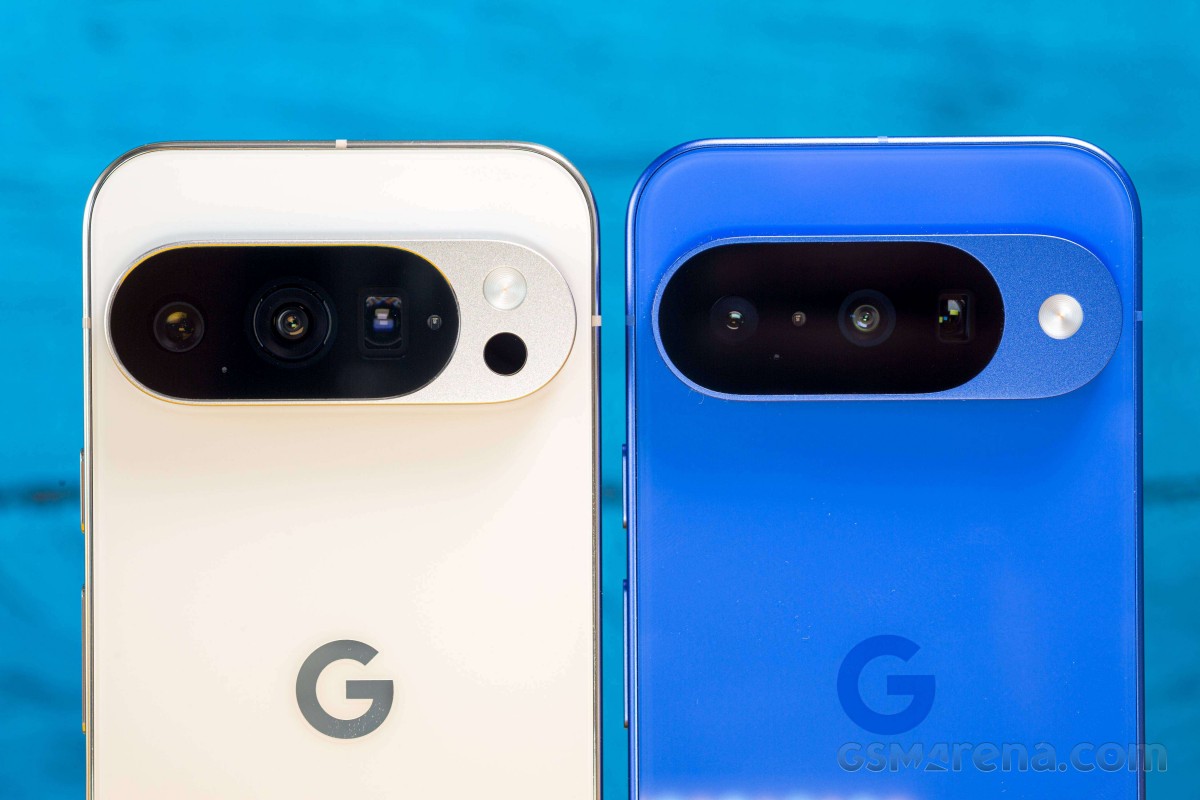
The standout in the lineup is the standard Pixel 10, which this year upgraded to a traditional triple-camera system, matching Samsung's Galaxy S25 and surpassing the iPhone 17 in camera versatility.
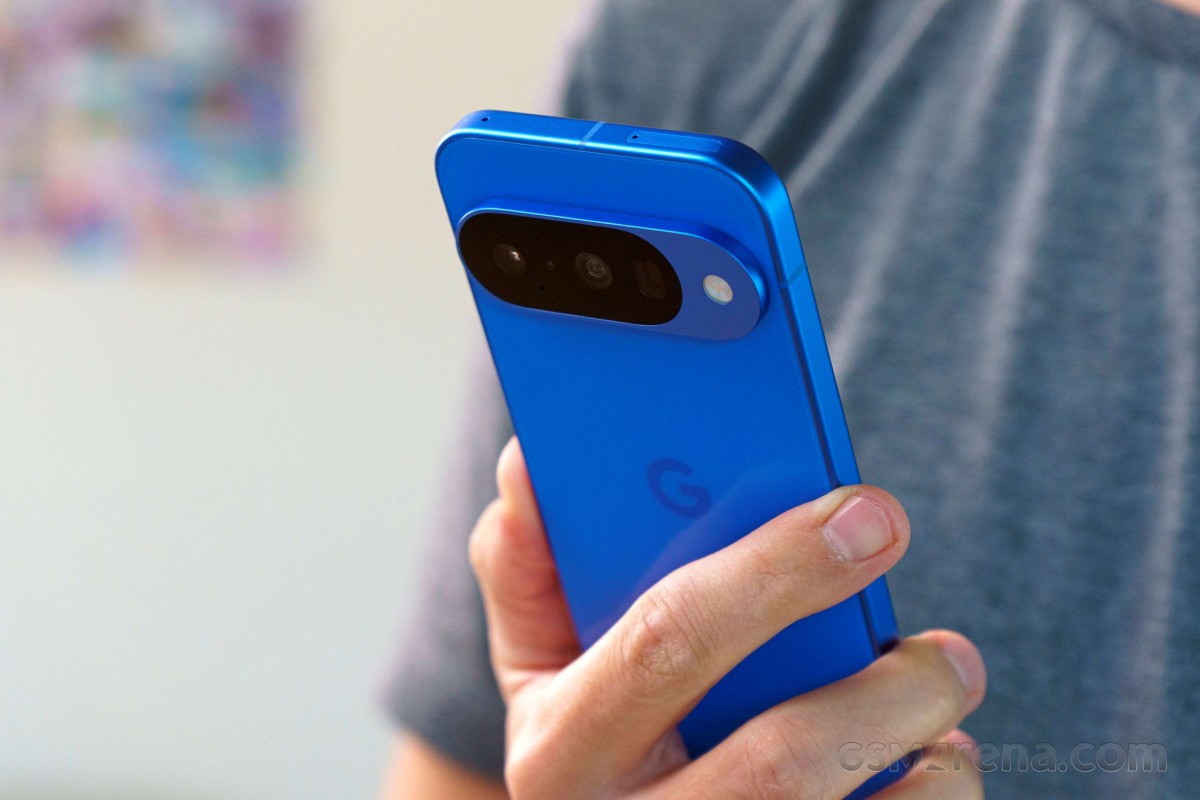
Although Google downgraded the main and ultrawide sensors compared to the Pixel 9 to include a modest 10.8MP 112mm (5x) telephoto lens, the additional camera enhances flexibility.
The Pixel 10 also introduced Pixel Snap (a MagSafe-like feature) and a larger battery, improvements that look promising on paper — but with mixed real-world results.
Google Pixel 10 5G
Winner: Pixel Snap
The MagSafe-like Pixel Snap feature is a welcome addition, benefiting users by expanding wireless charging and accessory compatibility.
Loser: Tensor G5 Chipset
Google’s latest in-house chip, the Tensor G5, falls short compared to the Snapdragon 8 Elite and Apple’s A18. With peak clock speeds under 4GHz, the Pixel 10 series struggles with overheating and aggressive CPU throttling, negatively impacting performance.
Despite increased battery capacities across all Pixel 10 devices, battery life on the three models reviewed was worse than the prior year’s Tensor G4-powered phones. A subsequent software update has partially mitigated these issues, but the initial impression remains concerning.
Loser: Google Pixel 10 Pro Fold
Google introduced a foldable this year, the Pixel 10 Pro Fold. It features an improved, thinner, gearless hinge that reduces the crease and feels more solid. Impressively, it is the first foldable with full dust protection, earning an IP68 rating.
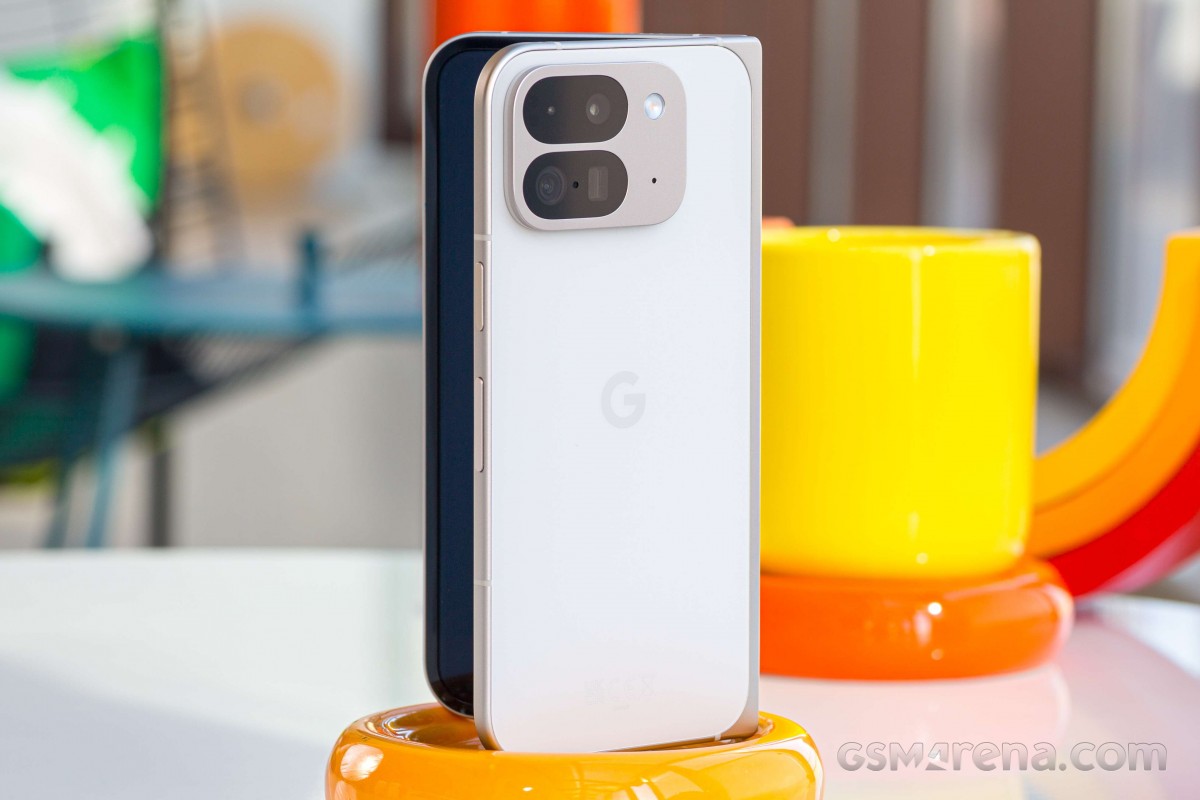
However, the foldable retains the same uninspiring triple-camera setup as its predecessor, the Pixel 9 Pro Fold. In addition, it is bulkier and heavier (10.8mm thick and 258 grams) compared to Samsung’s Galaxy Z Fold7 (8.9mm and 215 grams), reflecting an outdated design.
Google appears uncertain about the foldable segment, seemingly focused on simply releasing a device rather than establishing a distinctive or competitive product identity.
Google Pixel 10 Pro Fold
Loser: The Pixel Identity Crisis
This uncertainty extends across Google’s entire Pixel lineup. Once celebrated for its camera prowess, the Pixel series no longer leads in smartphone photography.
With aging camera hardware, slow battery charging, and a disappointing new chipset that hinders battery performance despite larger cells, the Pixel brand faces significant challenges.
Winner: Google Pixel 9a
The Pixel 9a continues to shine as a dependable midrange smartphone. This year, it received notable upgrades, including a slightly larger display and a substantially improved battery capacity and endurance.
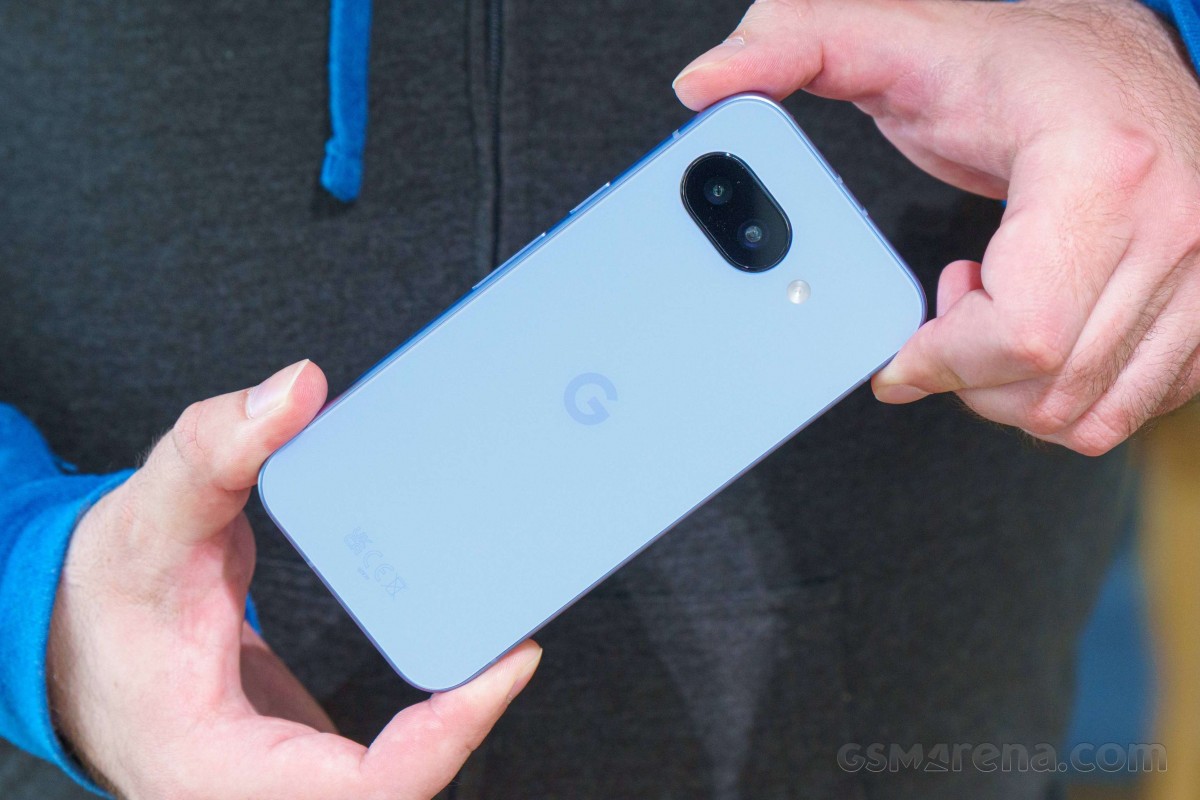
The Pixel 9a remains a charming and affordable option, available in vibrant colors and offering a worry-free user experience. It stands out as an overall success in Google’s portfolio.