A car platform forms the fundamental structure of a vehicle, influencing its rigidity, suspension design, interior space, and engineering choices such as motor and transmission. Traditional automakers, historically focused on internal combustion engine (ICE) vehicles, now face a critical decision: whether to develop dedicated electric vehicle (EV) platforms from scratch or adapt existing ICE platforms to accommodate electric drivetrains.
The industry has yet to reach a consensus. Some manufacturers modify ICE platforms, others design dedicated EV platforms, while some combine both approaches across different models. Let’s examine the benefits of each strategy.
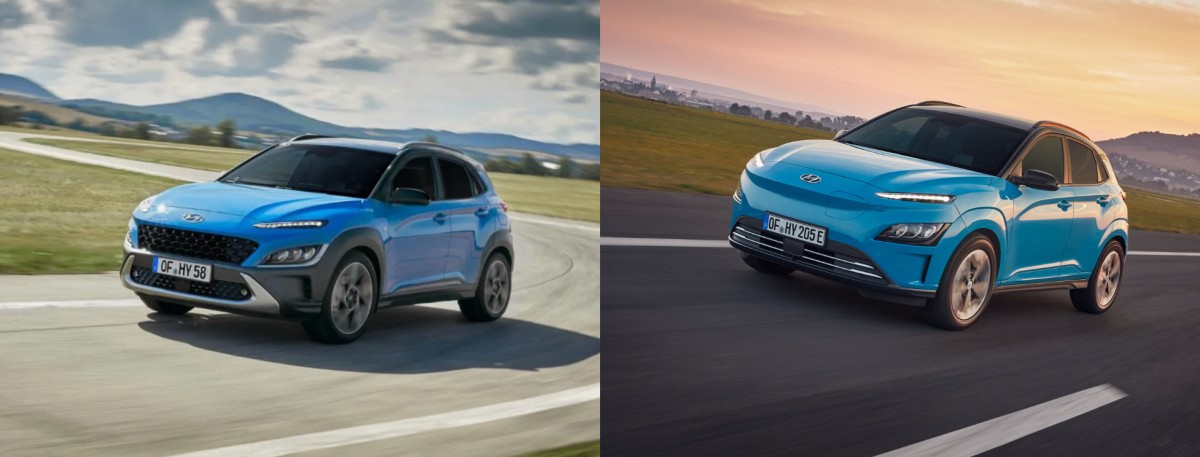 Hyundai Kona ICE (left) and electric (right) share the same platform
Modified ICE Platforms
ICE platforms are typically designed with a long-term horizon. To accommodate electric vehicles, these platforms must have been developed with future adaptability in mind. For example, Volkswagen Group’s MQB platform supports various propulsion types, including petrol, diesel, natural gas, plug-in hybrids, and all-electric. This versatility benefits production flexibility but remains primarily ICE-focused.
BMW’s CLAR and FAAR platforms also illustrate this approach, originally developed for ICE vehicles but capable of supporting EVs. The majority of ICE cars use a front-engine, front-wheel-drive layout, bearing over to EVs built on the same platform, limiting design freedom.
ICE platforms typically include exhaust piping running longitudinally and four-wheel-drive hardware, requiring complex battery shapes—often “H” or “T”—when adapted for EVs. This complexity restricts battery capacity options and reduces flexibility within a model.
Furthermore, a central tunnel beneath the rear passenger area divides the cabin, limiting space utilization and complicating torque management. These drawbacks are less evident in rear-wheel-drive platforms like BMW’s CLAR.
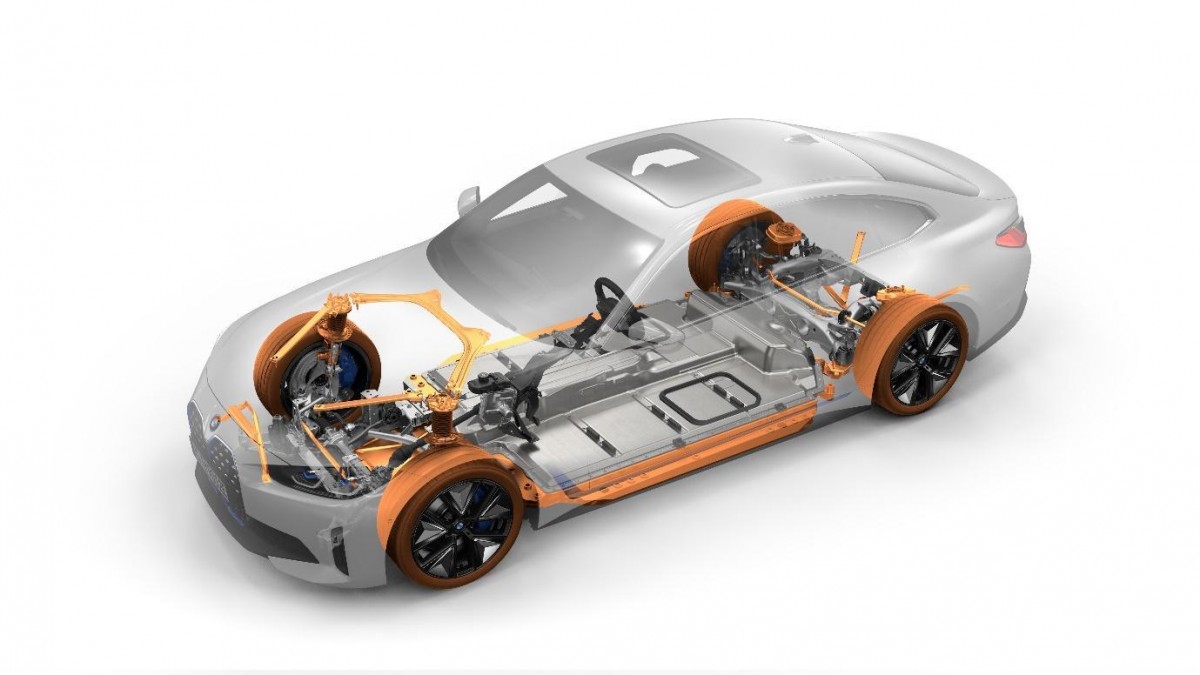 BMW i4 uses the multi-platform CLAR
Developing dedicated EV platforms demands significant R&D investment and time, increasing costs and delaying launch. However, these platforms offer substantial long-term benefits.
Physics plays a pivotal role here: rapid torque delivery in EVs causes weight transfer to the rear during acceleration, improving rear-axle traction. Consequently, single-motor EVs often power the rear wheels, enhancing handling and eliminating front driveshafts, which result in tighter turning circles.
Conversely, vehicles like the Renault Megane E-Tech and Nissan Ariya, based on the dedicated CMF-EV platform, utilize front-wheel drive. Renault-Nissan prioritizes weight reduction (saving around 100 kg by shortening high-voltage cables and piping) and increased trunk space over rear-axle driving advantages.
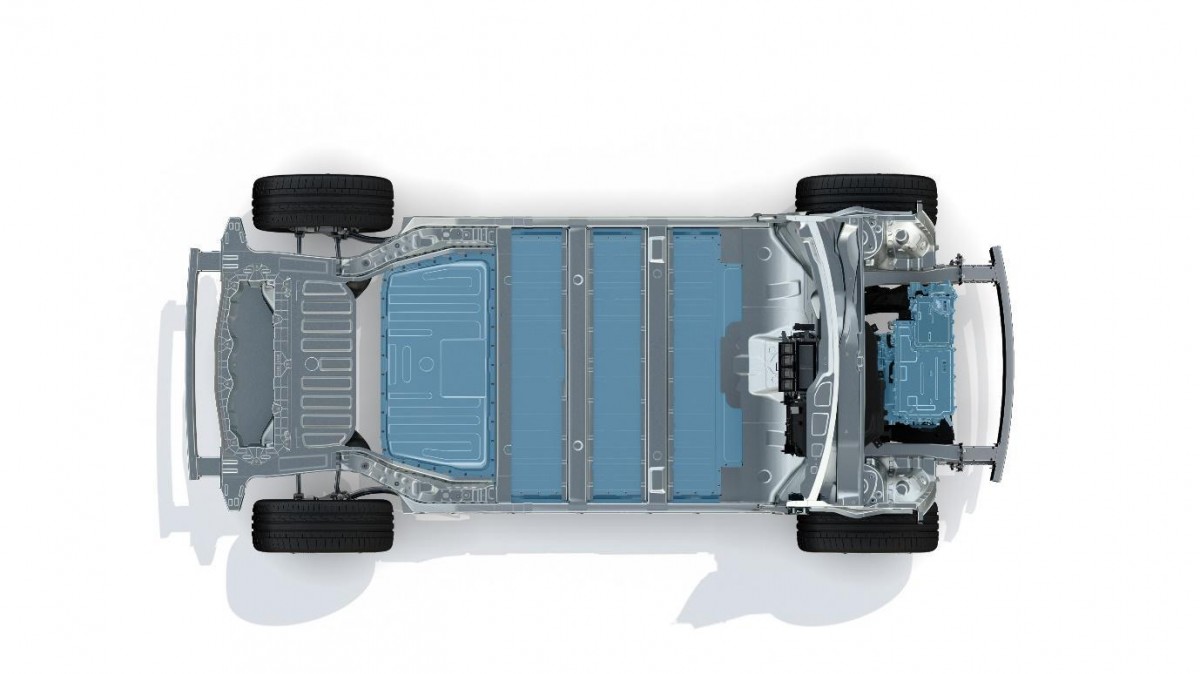
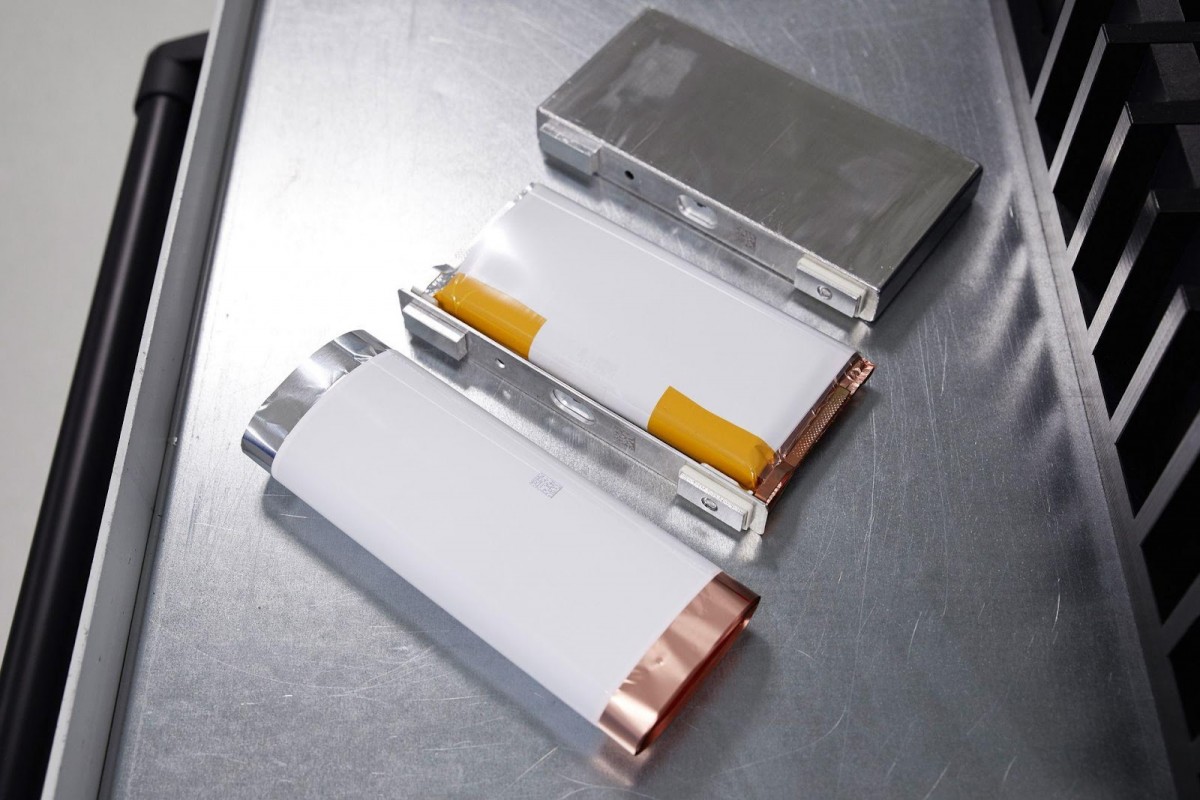
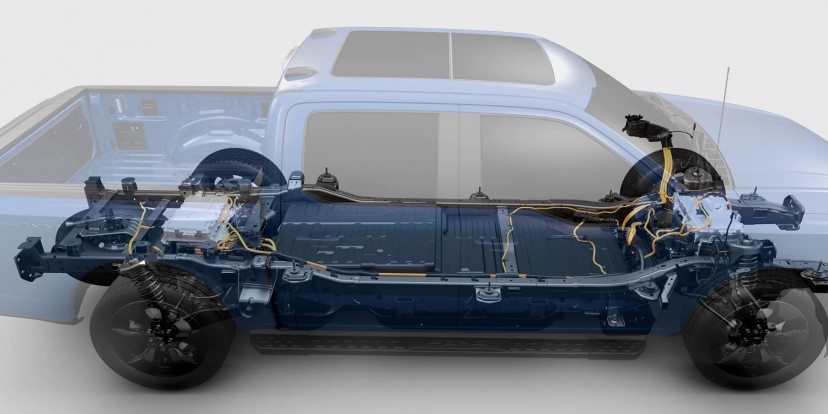
Dedicated platforms enable simpler, rectangular battery packs situated between the axles—the “skateboard” layout—allowing scalable energy capacity by adding modules. However, this design complicates rear suspension setups. Compact EVs cannot use longitudinal multi-link suspensions, limiting them to fully independent transverse link systems.
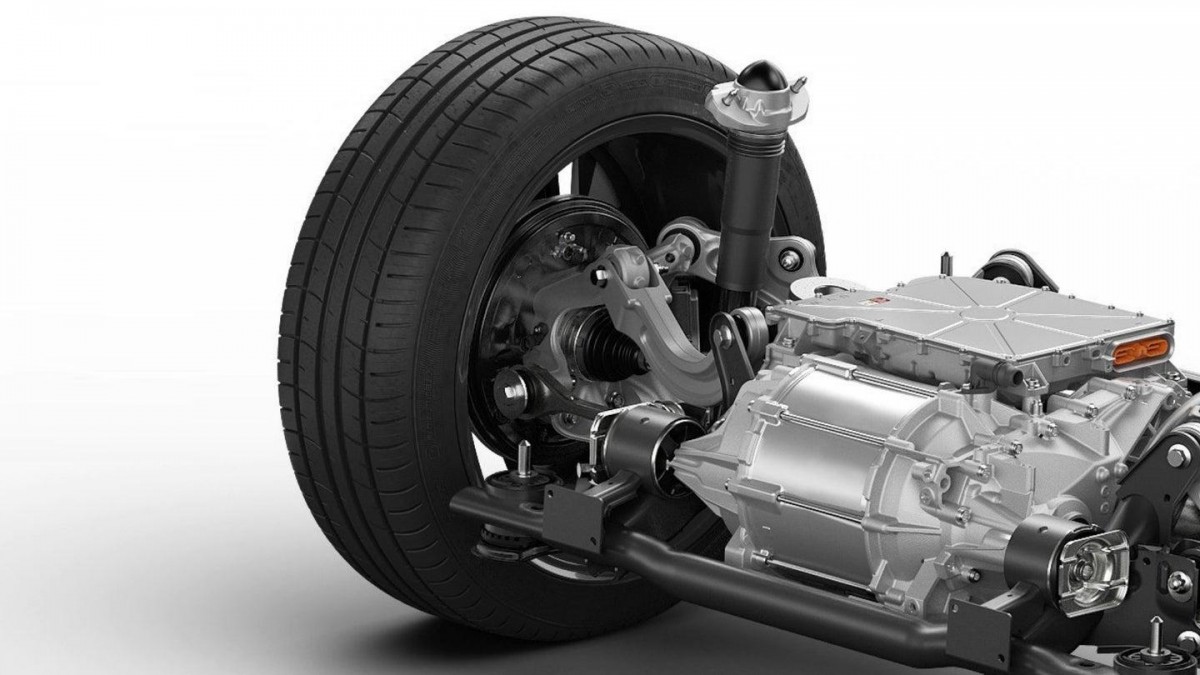 The advanced five-link (all transverse) rear suspension of the VW ID family
Space optimization is another strength of dedicated platforms. They allow a flat interior floor and extended wheelbase by eliminating the conventional engine compartment, providing compact EVs with interior volumes comparable to larger vehicles.
Since the battery sits low in the chassis, vehicles are often elevated slightly, making EVs naturally suited to SUVs and crossovers—though these body styles can impact aerodynamics negatively.
For lower-profile EVs like sport coupes, manufacturers such as Porsche and Audi have developed the “foot garage” concept in their Taycan and E-Tron GT models. This design integrates a battery gap to accommodate rear passengers’ feet comfortably.
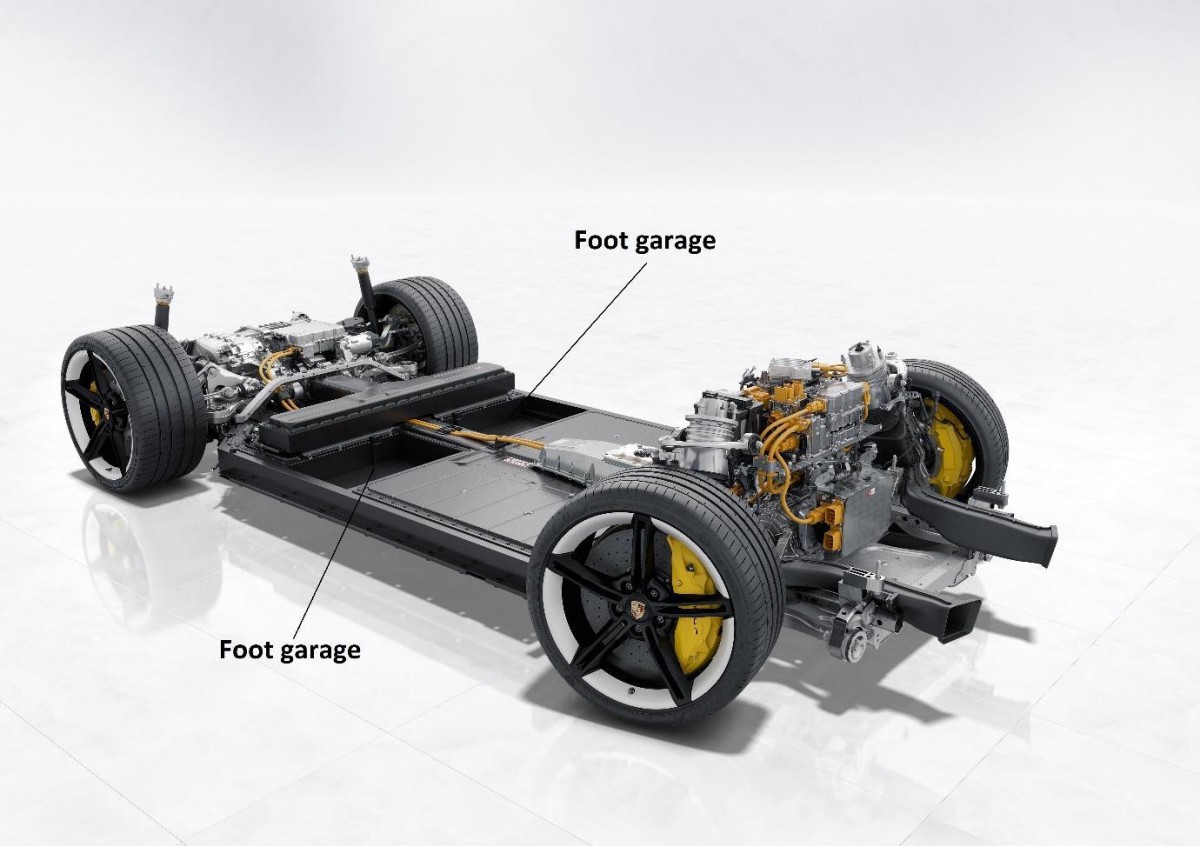 Porsche and Audi use J1 platform with a "foot garage"
Conclusion
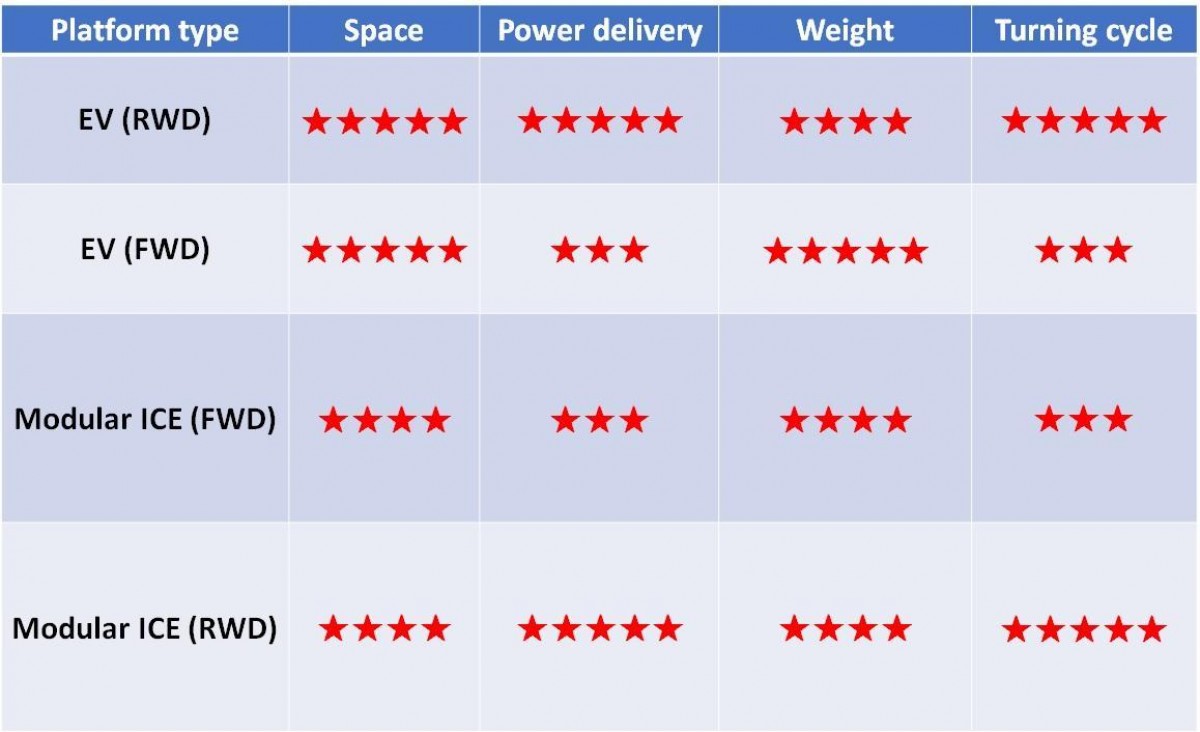
Dedicated EV platforms offer clear advantages over adapted ICE platforms, despite higher upfront costs and development time. Generally, platform strategies fall into three categories: dedicated EV platforms (slow but efficient), modular ICE platforms supporting RWD EVs (middle ground), and adapted front-wheel-drive ICE platforms (compromise).
The comparison table below summarizes the strengths and trade-offs of each approach.