In 2025, Xiaomi delivered an impressive lineup across multiple categories, moving beyond its previous role as a follower of Apple and Samsung. The brand demonstrated its ability to innovate not only in smartphones but also in automotive ventures, signaling a strong year for the company.
Xiaomi continues to rapidly expand in China, with its debut vehicle, the SU7, gaining significant traction. However, smartphones remain the core of Xiaomi’s success, so we begin our review with one of the standout devices of the year.
Winner: Xiaomi 15 Ultra
Although the Xiaomi 15 Ultra did not radically reinvent the wheel, it featured meaningful improvements over its predecessor. Xiaomi’s Ultra series consistently showcases the best from its imaging division, and the 15 Ultra exemplifies this tradition.
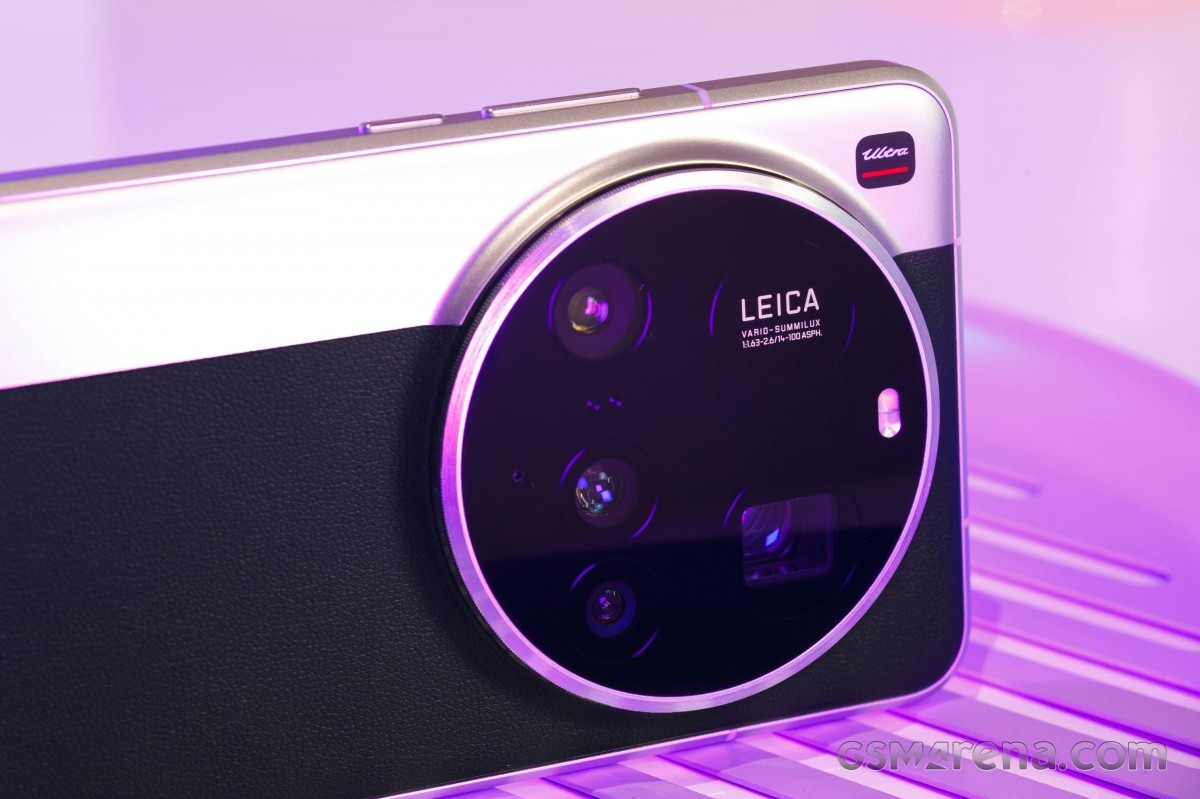
The device combines a rare 1-inch main camera sensor with a 200MP telephoto periscope lens offering 4.3x optical zoom at 100mm equivalent, alongside a secondary 70mm telephoto module. Additionally, its 50MP ultrawide lens contributes to what is arguably the most versatile camera setup on a smartphone this year.

Beyond photography, the 15 Ultra boasts significantly enhanced battery life and a striking design, further complemented by an optional photography kit.
Xiaomi 15 Ultra
- 512GB 16GB RAM
 $ 1,356.71
Winner: Poco F7
For those seeking exceptional value, the Poco F7 stands out. Featuring a vibrant 12-bit AMOLED display, the powerful Snapdragon 8s Gen 4 chipset, and strong battery performance, this smartphone is a top recommendation in the €330/£300/INR 30,000 price range.
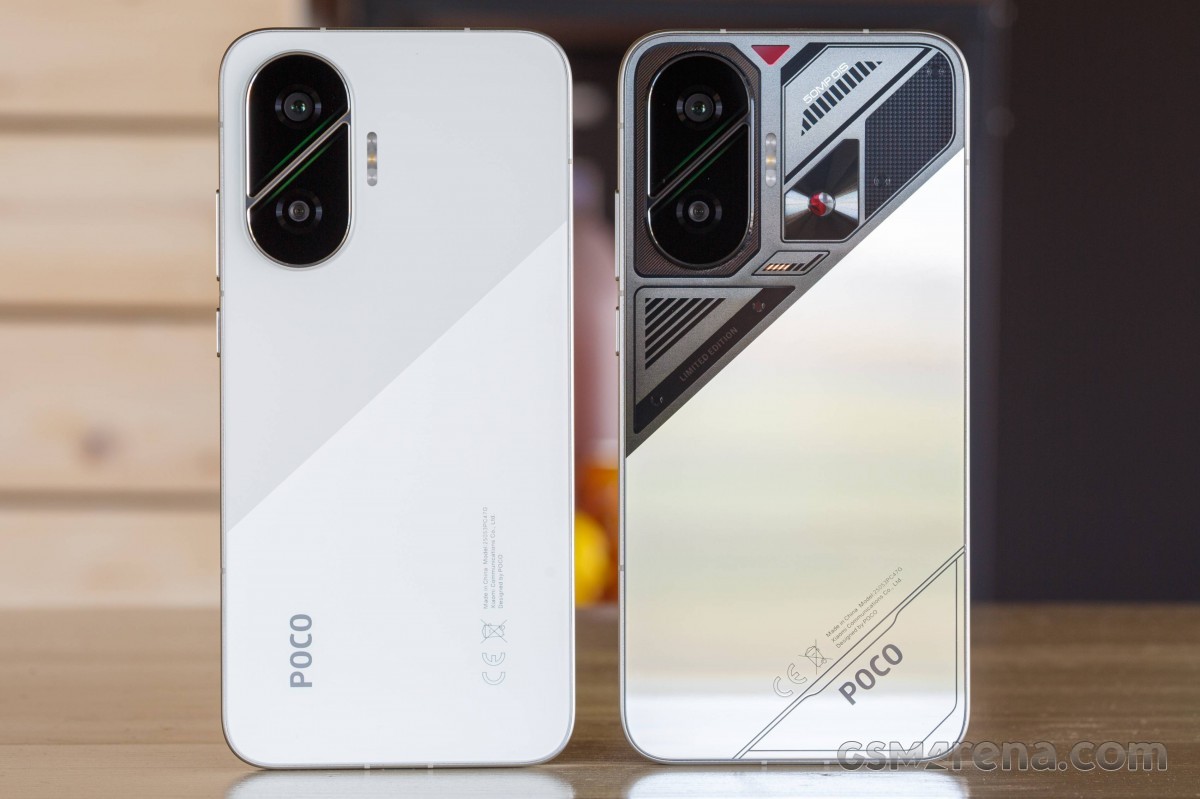
The F7 pairs a premium aluminum and glass design with IP68 dust and water resistance. However, it retains the previous generation’s camera setup without upgrades and continues to use an outdated USB 2.0 port. Despite these minor drawbacks, the Poco F7 remains one of the best all-round phones in its category.
Xiaomi Poco F7 5G

Winner and Loser: Xiaomi 17 Pro Max
The Xiaomi 17 Pro Max distinguishes itself with a large secondary display embedded within the camera island, a concept Xiaomi previously introduced with the Mi 11 Ultra but now expanded for greater utility.
Xiaomi 17 Pro Max secondary display
This secondary screen enhances usability by allowing users to answer calls, check notifications, and use a high-quality viewfinder for superior selfies and vlogging. Other highlights include a flagship-grade main display, Snapdragon 8 Elite Gen 5 chipset, excellent battery life, and 100W fast charging.
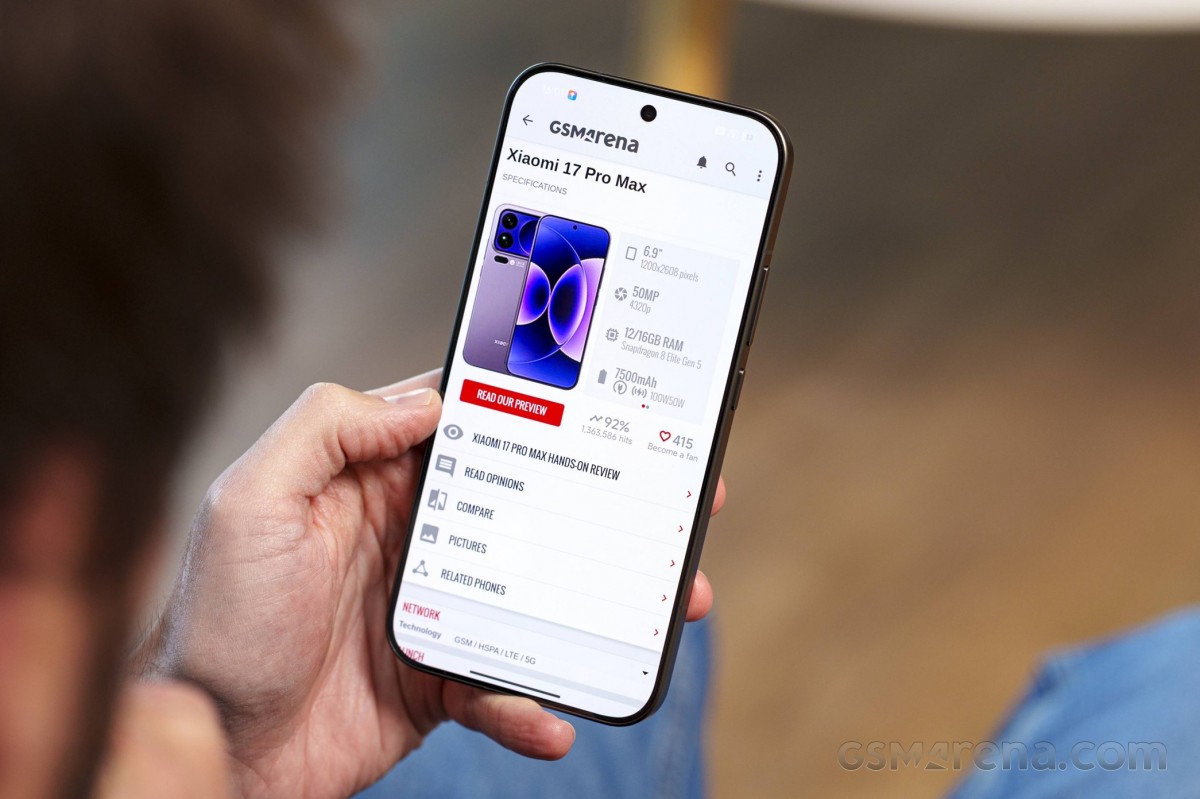
Unfortunately, Xiaomi has not announced plans to release the 17 Pro Max globally. While the device impresses overall, the decision to skip a generation in numbering purely to compete symbolically with Apple feels more like marketing than substance.
Loser: Redmi Note 14 5G (Global)
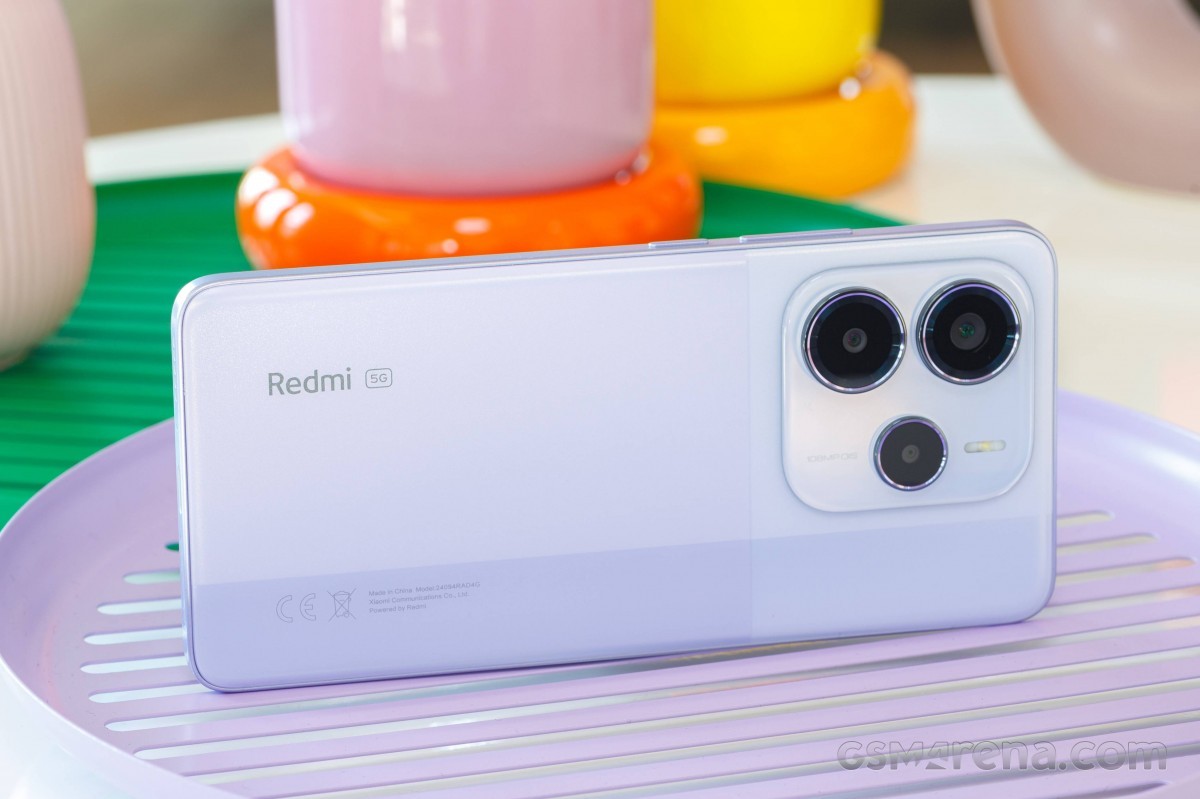
The Redmi Note series’ convoluted naming continued with the Note 14 series, which features ten distinct models. The global Redmi Note 14 5G, reviewed by us, underperforms compared to competitors, especially in performance, camera quality, and battery life.
Winner: Xiaomi YU7
Xiaomi’s automotive division had a strong year. Following the success of the SU7 sedan, the brand's first electric SUV, the YU7, is building on that momentum heading into 2026. It boasts stylish design, a rich feature set, and has seen record-breaking demand in China.
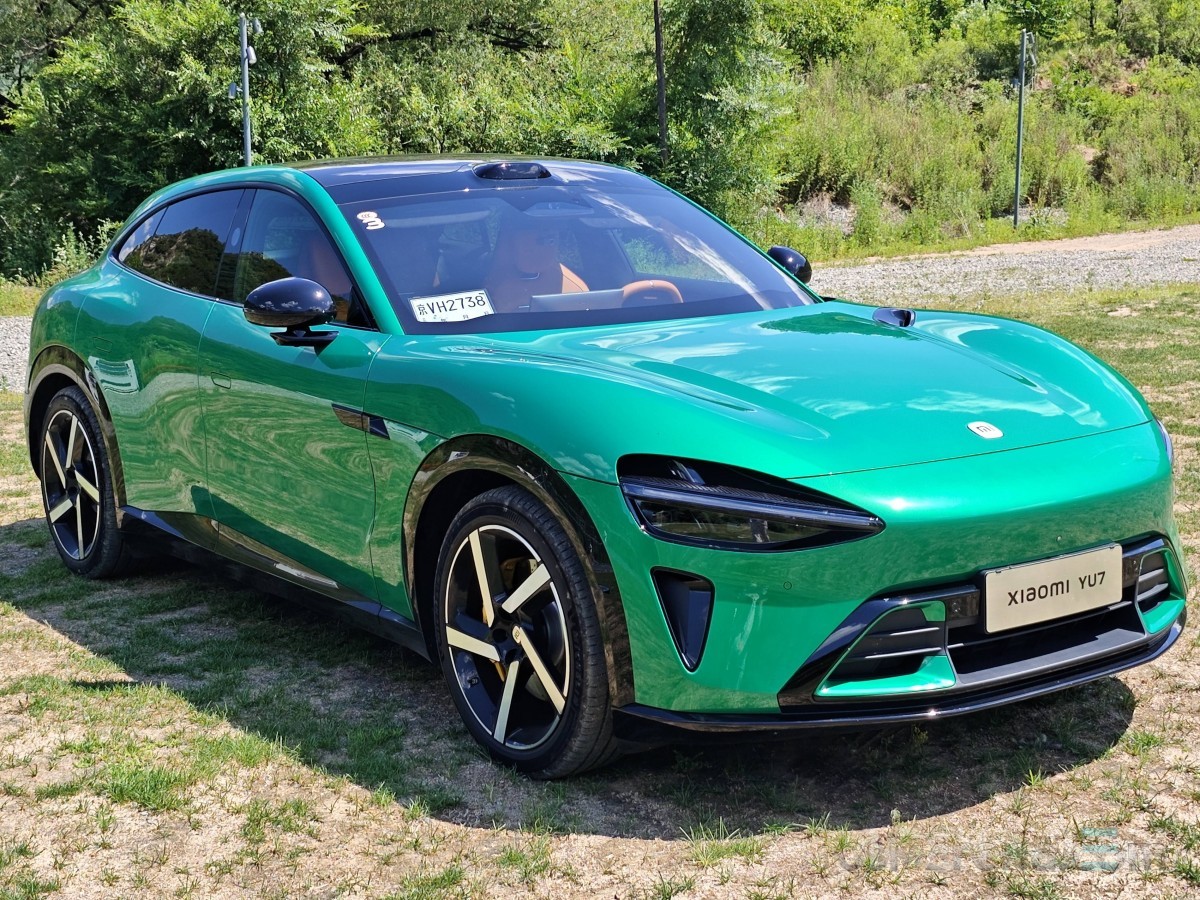
Our brief experience with the YU7 Max confirms it offers all the capabilities of the SU7 but in a more spacious SUV form, with a higher seating position and smoother ride. This model is poised to be a significant growth driver for Xiaomi’s automotive ambitions.
Loser: Xiaomi Mix Fold 4 Successor
While the Mix Fold 4 represented a significant improvement over its predecessor, its limited availability outside China remained a drawback. In 2025, Xiaomi released only one new foldable—the Mix Flip 2—neglecting the book-style foldable segment.

Rumors point to a Xiaomi 17 Fold in 2026, but skipping a generation amid growing market interest in foldables is a questionable strategic choice.
Loser: Redmi Note 15 Series
The Redmi Note series remains confusing, particularly the Note 15 lineup. It includes two nearly identical base models that differ mainly in chipset and battery capacity, and two Pro models that closely resemble each other apart from their chipsets.
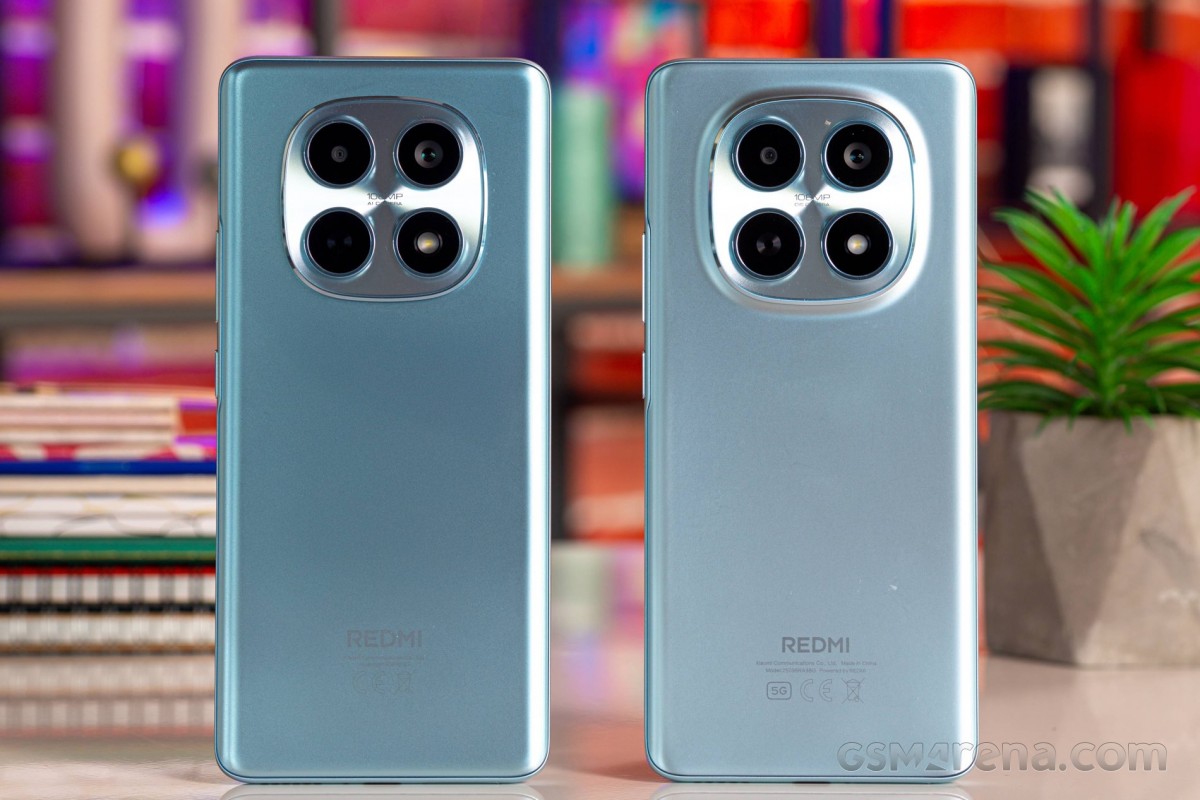
All models launched with Android 15 late in 2025, yet the 4G variants still cannot record 4K video—a surprising limitation in today’s market. Xiaomi’s naming conventions remain overly complex, and many users hope for clearer distinctions in future Redmi releases.


