Introduction
Samsung closes 2025 on a strong note with the Galaxy S25 series surpassing previous models in sales, and foldable phones gaining unprecedented popularity. However, beneath this success lie challenges, including the underwhelming Galaxy S25 Edge and perceived stagnation in the S25 line’s upgrades.
The foldable lineup, led by the Z Flip7 and Z Fold7, received meaningful improvements, while the Galaxy Z TriFold captured attention as an innovative, if niche, offering. Let’s delve into the highlights and setbacks of Samsung’s 2025 portfolio.
Winner: Samsung Galaxy S25 Ultra
The Galaxy S25 Ultra proved to be a standout in 2025, setting a Galaxy S series pre-order record in South Korea with 1.3 million units, though the all-time Samsung record remains with the Galaxy Note10.
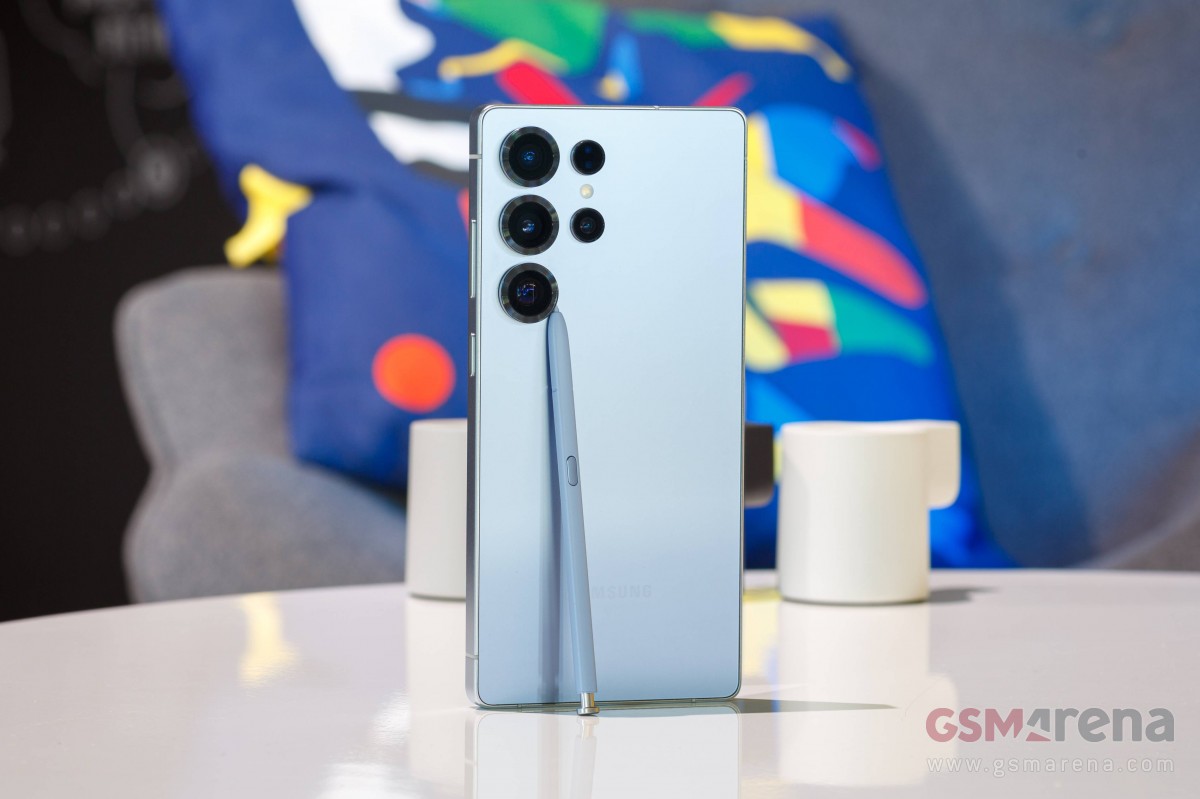
Among the 9.16 million units sold in the S25 series as of mid-year, the Ultra model accounted for over half with 5.08 million units, outperforming both the standard S25 (2.41 million) and the Plus variant (1.67 million). Overall, the S25 series outpaced the S24 by 12.2%, with the Ultra posting a 7.1% sales increase over its predecessor.
This sustained growth indicates strong consumer demand despite modest upgrades—the main camera improvement was limited to a new 50MP ultra-wide sensor, and the S Pen lost Bluetooth functionality. Nevertheless, the S25 Ultra emerged as Samsung’s most popular Ultra model in recent years.
Winner: Samsung Galaxy S25
The standard Galaxy S25 recorded the largest improvement over its predecessor, outselling the S24 by 11.6% by June. It also significantly outperformed the Plus variant, with 6.07 million units sold versus 3.85 million, representing a 58% lead.
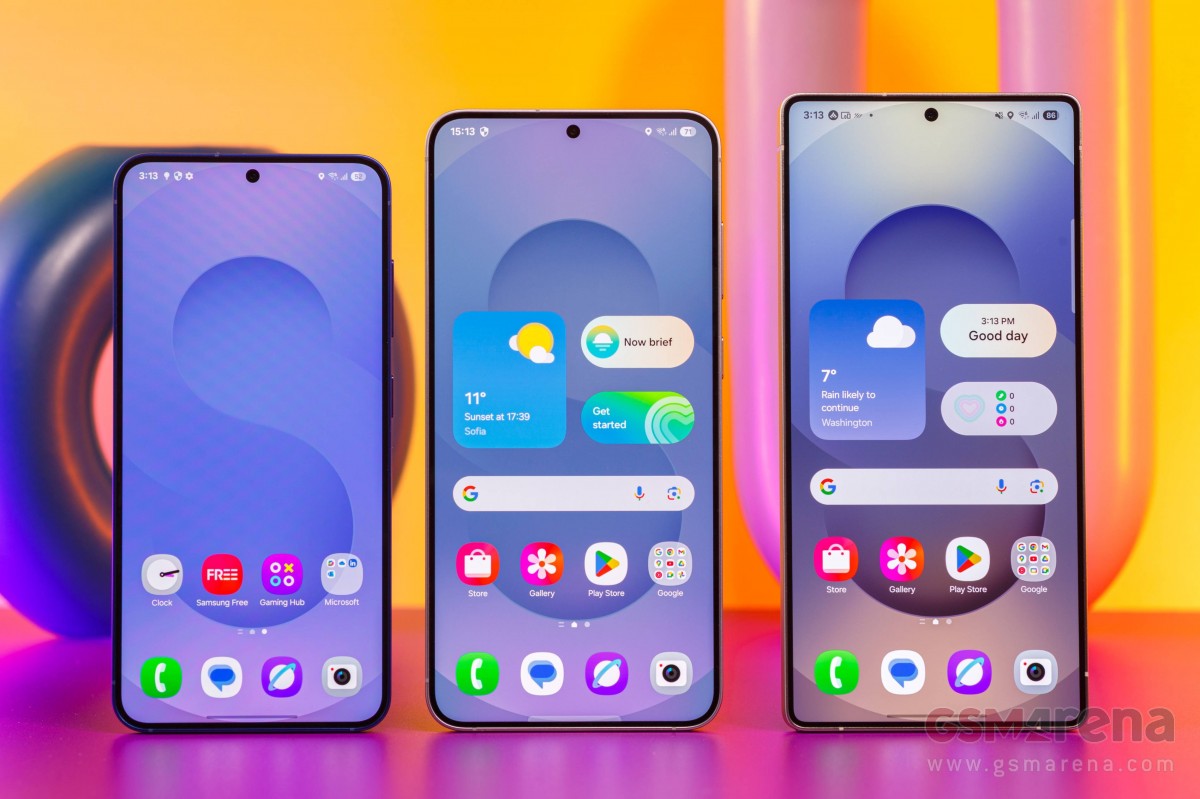
The vanilla S25 saw limited enhancements—most notably, an upgrade to 12GB RAM while maintaining a base 128GB storage. User experience remained largely consistent with the S24, aided by the improved Snapdragon 8 Elite chipset, which replaced the previous combination of Snapdragon 8 Gen 3 and Exynos 2400. The full transition to Snapdragon chips may have positively influenced demand.
Loser: Samsung Galaxy S25+
The Galaxy S25+ delivered moderate sales but lacked standout success, positioning it more as a survivor than a winner. Samsung appeared intent on phasing out the Plus model in favor of the Edge variant, but the rumored S26 Edge cancellation suggests the Plus may return for the next cycle, though its future remains uncertain.
Loser: Samsung Galaxy S25 Edge
Sales for the Galaxy S25 Edge were disappointing, likely contributing to the reported cancellation of the S26 Edge. While the Edge’s slim design concept was bold, it failed to capture consumer interest, similar to the poor reception of ultra-slim designs like the iPhone Air. This suggests the ultra-slim smartphone experiment has run its course.
Winners: Samsung Galaxy Z Fold7 and Z Flip7
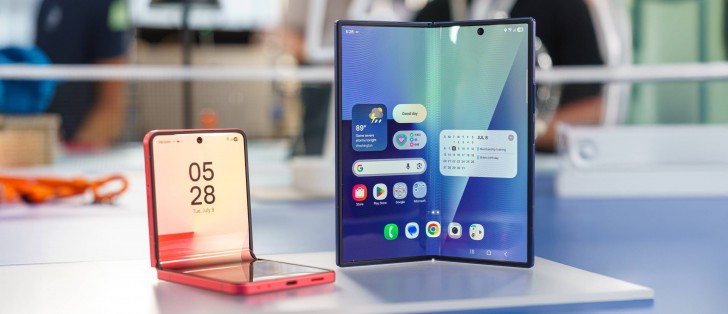
Counterpoint Research reports a 14% year-over-year increase in global foldable shipments in Q3 2025, with Samsung’s Z Fold7 and Z Flip7 leading the market. Samsung boosted its foldable shipments by 32% compared to Q3 2024, commanding a 64% market share—far ahead of Huawei’s 15%.
The Z Fold7 offers a sleek design, measuring 8.9mm thick and weighing 215 grams, resembling a traditional smartphone when folded. In the US, about 30% of Z Fold7 buyers upgraded from an S Ultra model, reflecting a consumer shift toward foldables. Sales of the Z Fold7 surpassed its predecessor by over 50%, while the Z Flip7 attracted more users away from competing brands than any previous Flip model.
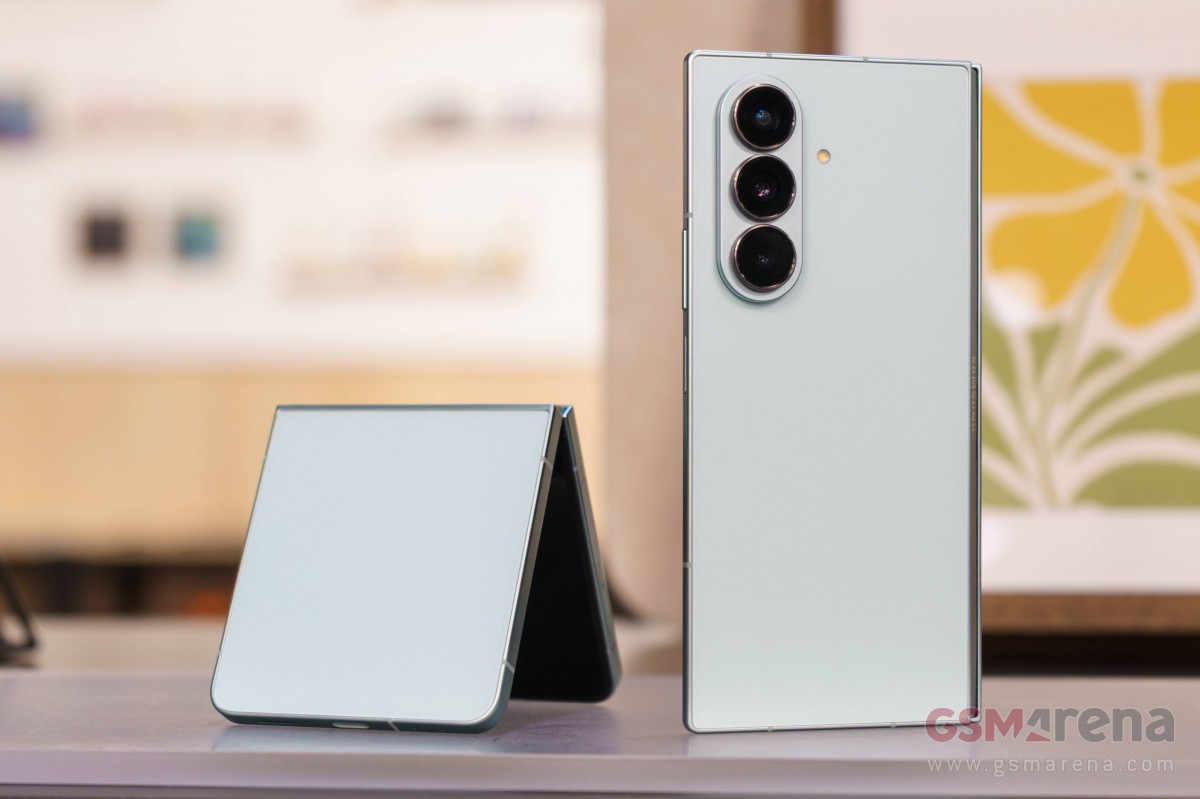
There is room for refinement, which Samsung is actively pursuing, but both models clearly dominated the foldable category in 2025.
Winner: Samsung Galaxy Z TriFold
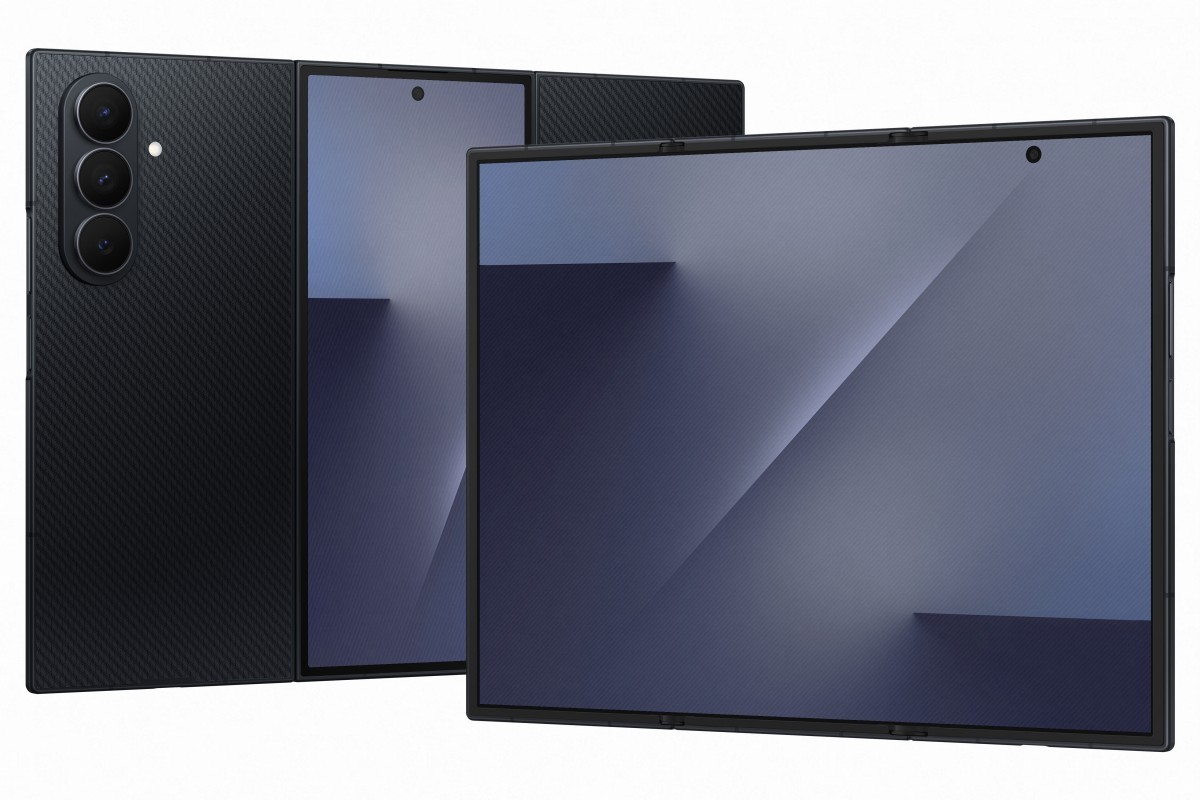
The Galaxy Z TriFold, although not the first tri-fold phone, stands poised to become the best-selling tri-foldable in 2025 due to broader availability and a competitive price. Launching on December 12, major sales will likely occur in 2026.
Samsung’s conservative approach in protecting the fragile folding display differs from competitors like Huawei. While production volumes will remain limited, the TriFold represents a renewed spirit of innovation for Samsung.
Loser: Exynos Chipsets
The Exynos 2500 chipset appears only in the Galaxy Z Flip7, which performed well, though this success can’t be attributed to the chipset. Delays relegated Exynos 2500 from the S25 series, and other models with Exynos 2000 chips opted for the older Exynos 2400.
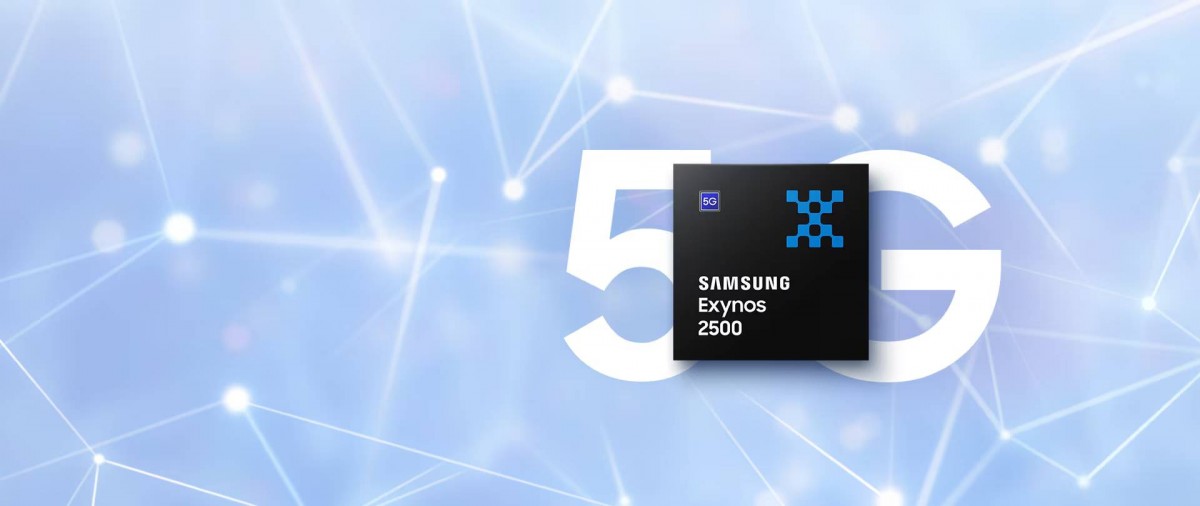
Looking ahead, the Exynos 2600 faces a bleak outlook; it’s expected to appear only in South Korean Galaxy S26 units due to a Qualcomm partnership mandating Snapdragon chips for 75% of global sales, compounded by poor yield production. While mid-range Exynos models have seen some success in Galaxy A devices, the flagship segment remains challenging for Samsung’s in-house chips.
Loser: Samsung Galaxy S25 FE
The Galaxy S25 FE offered modest improvements over the S24 FE, upgrading from an Exynos 2400e to a 2400 chip for slight performance gains. The new 45W charging system and larger 4,900 mAh battery improved 30-minute charge speeds but did not reduce overall charging time, which remained 1 hour and 10 minutes.
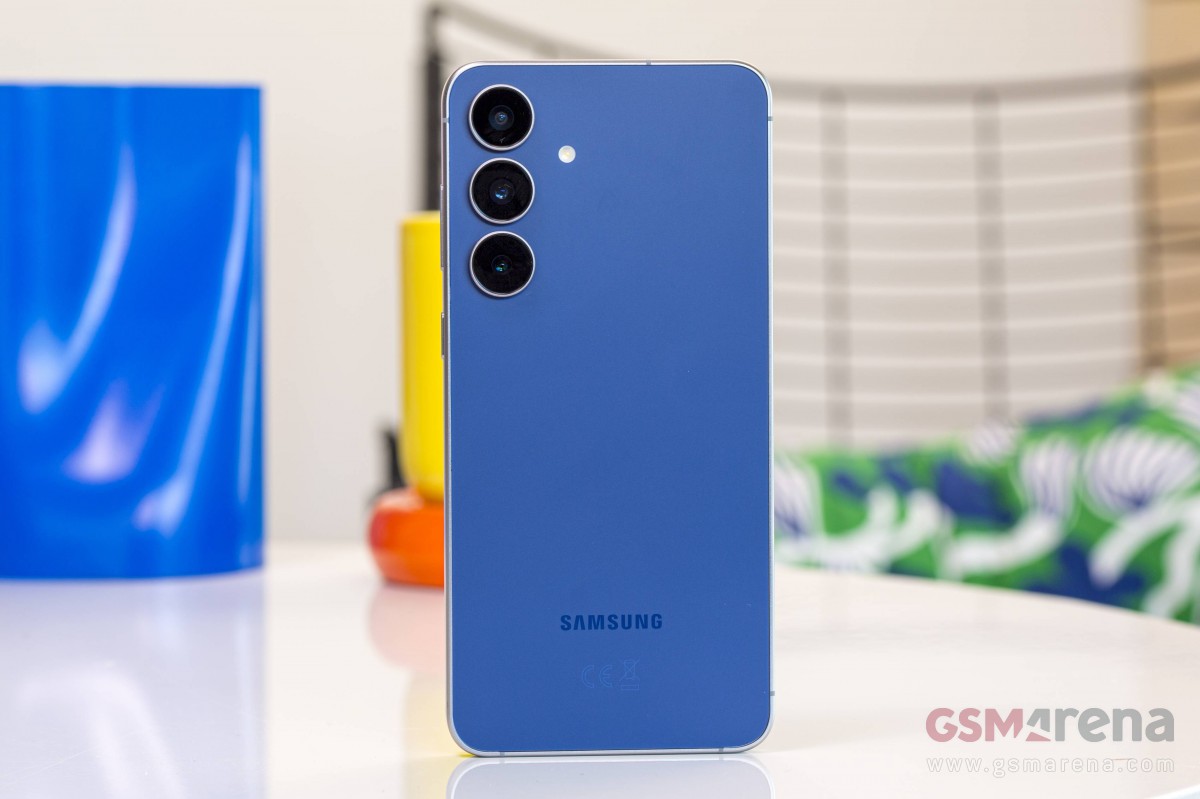
Higher pricing brought the S25 FE close to the S25+, undermining its value proposition and making it a less attractive option compared to its well-received predecessor.
Loser: Samsung Galaxy Z Flip7 FE
The more affordable Z Flip7 FE struggled to gain traction, hindered by outdated design and the older Exynos 2400 chipset paired with only 8GB RAM. While the concept of a budget-friendly foldable remains appealing, this model failed to meet expectations.
Winners: Samsung Galaxy A56 and A36
Though exact sales figures are unavailable, IDC highlights the Galaxy A56 and A36 as key drivers of Samsung’s growth in Q2 2025. Notably, the A56 expanded Samsung’s US portfolio, filling a previous gap between Galaxy A3x and S FE models. However, delays until mid-July and some bootloop issues tempered what was otherwise a solid year.
Losers: Samsung Galaxy Watches
Samsung did not introduce a new Galaxy Watch Ultra in 2025, instead re-releasing the 2024 model with increased storage (64GB up from 32GB) and new colors.
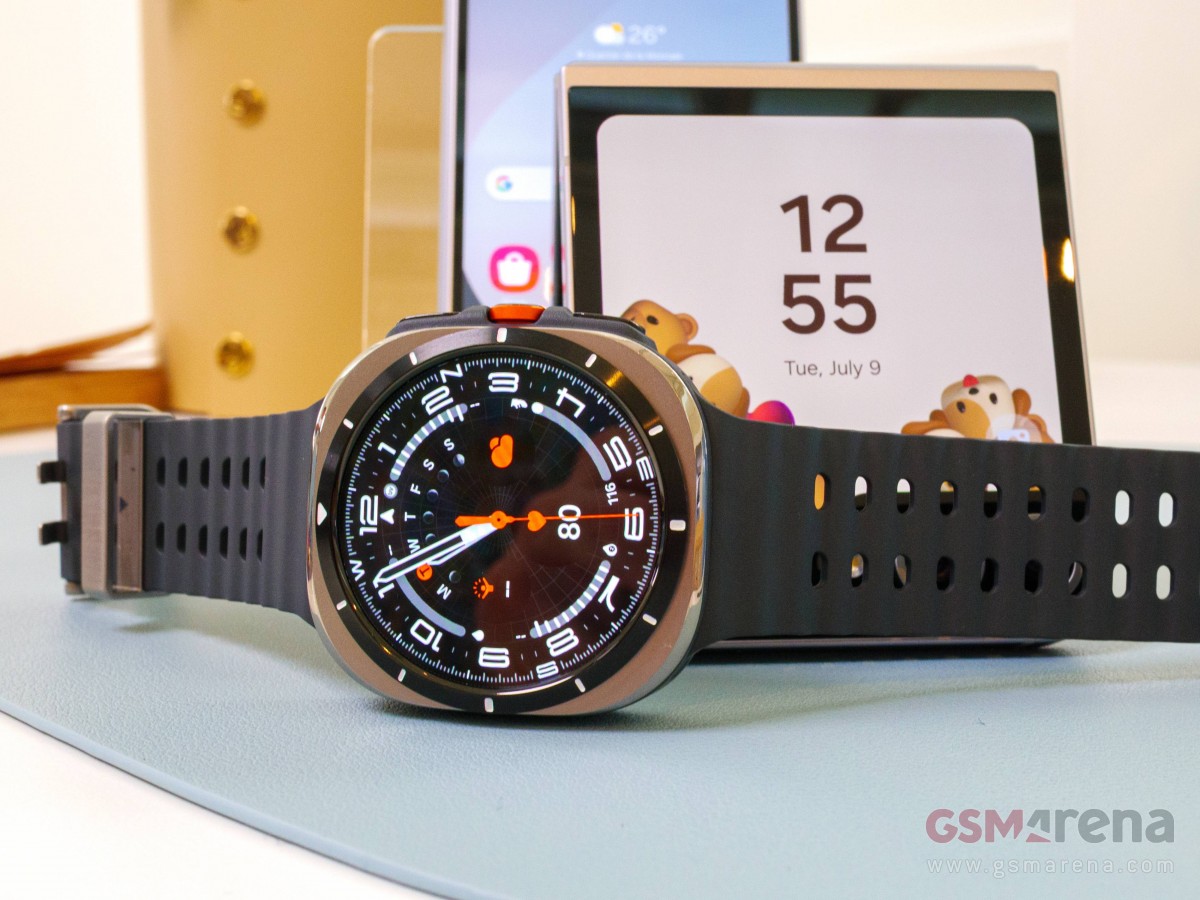
The Galaxy Watch8 and Watch8 Classic received criticism for their new squircle design and display sizes—both 46mm Classic and 40mm Watch8 share a 1.34" display, smaller than the 1.5" screen of the 46mm Watch6 Classic. The reduced screen size and design changes sparked consumer dissatisfaction.
Samsung Galaxy S25 Ultra
- 256GB 12GB RAM
 $849.99
 - 512GB 12GB RAM$849.99
Samsung Galaxy S25
- 128GB 12GB RAM$699.99
- 256GB 12GB RAM$759.99
Samsung Galaxy Z Fold7
- 256GB 12GB RAM$1,399.99
- 512GB 12GB RAM$1,399.99
Samsung Galaxy Z Flip7
- 256GB 12GB RAM$899.99
- 512GB 12GB RAM$1,019.99