Meta’s Extended Reality (XR) division, Reality Labs, continues to struggle with profitability and achieving net-zero losses. Amid growing competition from industry giants like Google, Samsung, and Apple, the company has decided to halt its groundbreaking initiative of sharing the Meta Horizon OS with other manufacturers.
Meta Limits Horizon OS to Internal Use
Meta recently announced that it will no longer provide its Horizon OS platform to external device makers. This strategic pivot means the company will now concentrate primarily on developing first-party hardware and software, aiming to strengthen its position in the highly competitive XR landscape as rivals prepare to launch their own ambitious projects.
Can Meta Take on Its XR Competitors?
Poll Results (9 votes)
- Easily! It’s got a decade-long head start! — 11.11%
- It’ll be tough, but Meta will hold its own — 33.33%
- Nah, Meta is about to get steamrolled — 55.56%
Protecting Its Competitive Edge
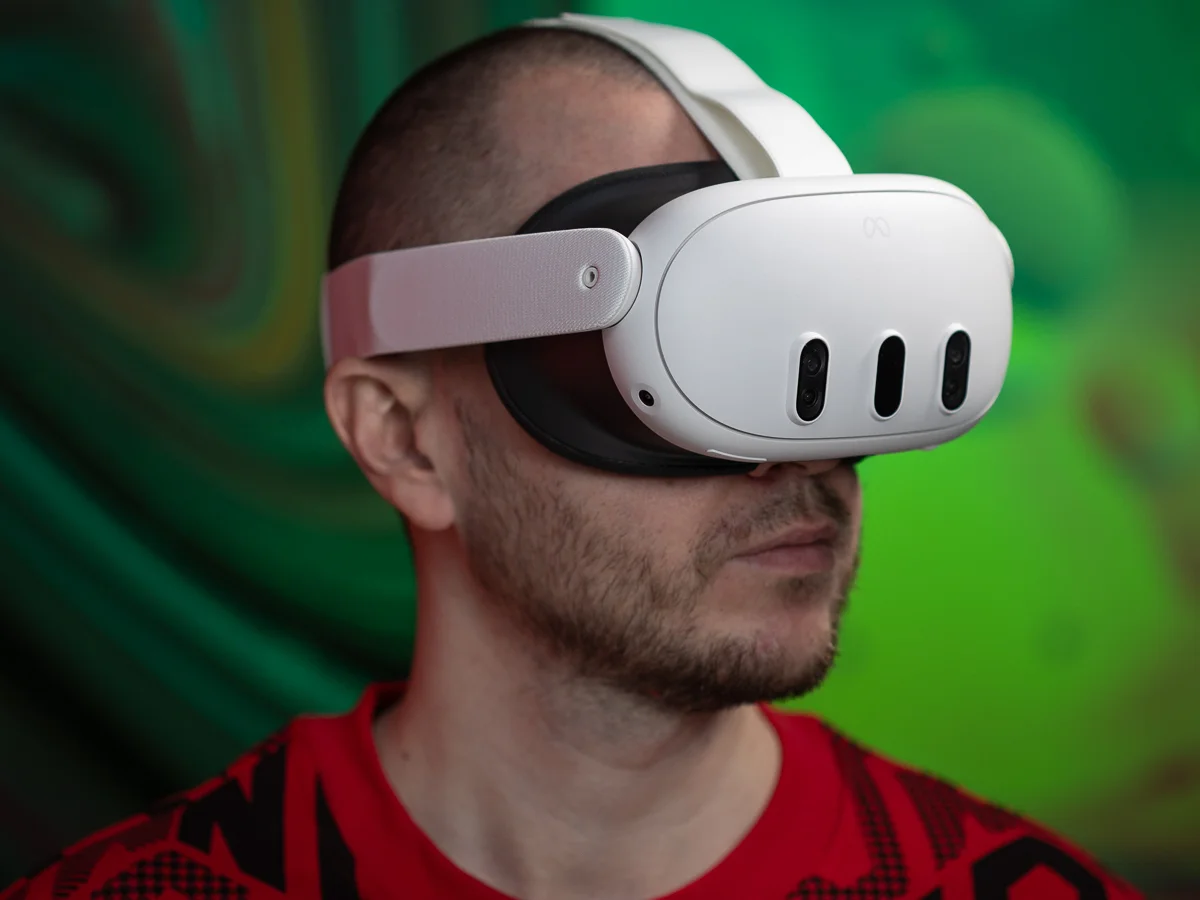
The Meta Quest 3 remains one of the leading VR headsets on the market. | Image credit — PhoneArena
By restricting Horizon OS access, Meta aims to safeguard its innovative technology from fueling rival XR devices. Despite ongoing losses in VR hardware sales, the company recognizes the risk of empowering competitors to capitalize on its development efforts. With emerging contenders like the Galaxy XR headset on the horizon, Meta is doubling down on its years of industry expertise to maintain leadership.
Looking Forward: Meta’s XR Future
Meta is channeling its resources into upcoming products such as the Orion smart glasses and the anticipated Meta Quest 4 lineup. Meanwhile, new entrants like Apple’s Vision Pro and Samsung’s Galaxy XR offer alternatives in the XR market but face challenges due to their high prices compared to Meta’s offerings.


