When Huawei was placed on the U.S. Entity List in May 2019, it lost access to key American suppliers, most notably Google. This restricted Huawei from pre-installing Google Mobile Services (GMS) on its smartphones, barring popular Android apps like Google Play Store, Gmail, YouTube, and Google Maps from appearing on new Huawei devices. As a result, Huawei had to rely on the open-source Android (AOSP) version, which lacked many features and services that Android users commonly expect.
Forced Shift Towards an Independent Operating System
Starting in September 2019, Huawei launched phones using AOSP, which included only essential functions such as phone calls, SMS, and calendar apps. Due to the open-source nature of AOSP, Huawei could still legally use it despite restrictions. However, the limited functionality pushed Huawei to accelerate the development of its own operating system, HarmonyOS, as a sustainable alternative.
HarmonyOS: From Niche to Mainstream with 27 Million Users
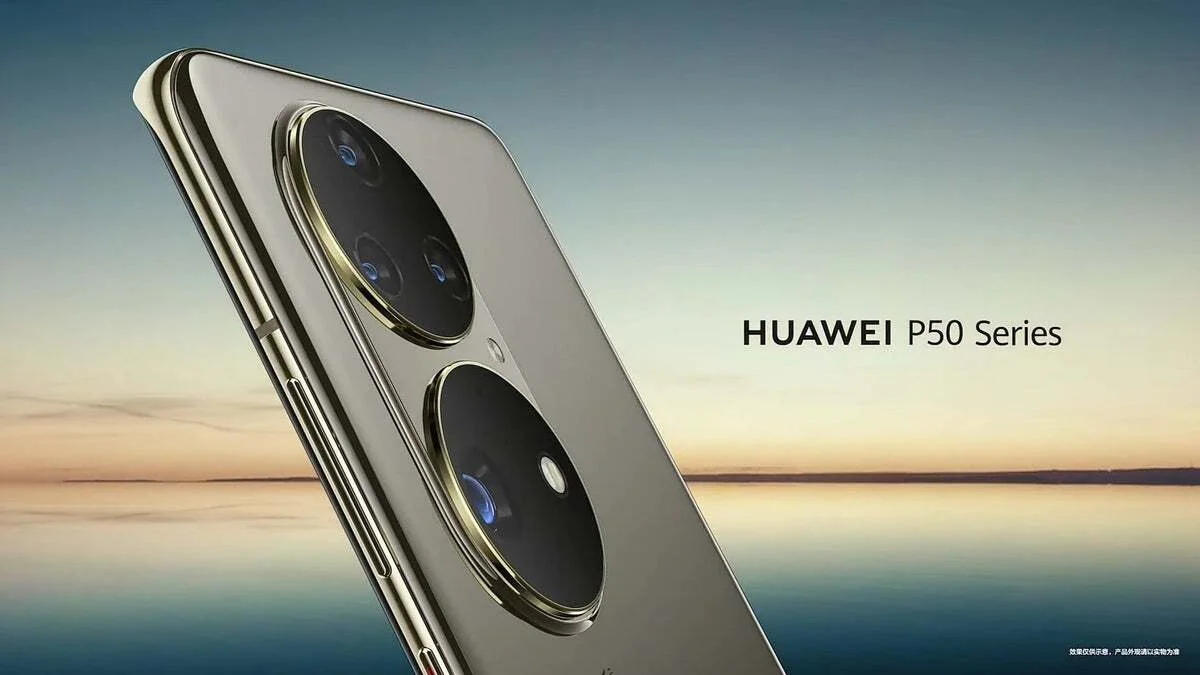
The debut HarmonyOS-powered devices were the photography-focused P50 and P50 Pro models released in mid-2021. Reports indicate that the combined user base of HarmonyOS 5 and HarmonyOS 6 has now reached 27 million, signaling rapid growth beyond niche adoption. Huawei describes this user base as a “survival line," marking the platform's viability and ongoing expansion.
Supported by over 100,000 new device activations daily and a growing developer ecosystem with more than 10 million developers, HarmonyOS has surpassed its early niche status. Daily app downloads and updates on the platform exceed 88 million, demonstrating the ecosystem's healthy momentum.
Latest Features and China Market Share Gains
The most recent iteration, HarmonyOS 6, was released to Chinese consumers in October 2024 after being available to developers since June. Among its new features is a wireless file transfer function similar to Apple's AirDrop, allowing seamless sharing between Huawei and Apple devices.
In Q2 2024, HarmonyOS captured 17% of China’s smartphone OS market, slightly surpassing Apple’s iOS at 16%. This marks the sixth consecutive quarter that HarmonyOS has led iOS in China, further cementing its position as the country’s second-largest mobile operating system after Android, which holds a dominant 66% market share.
Huawei’s Reclaimed Leadership in China with Mate 80 Series
Huawei’s strengthening market presence is fueled by the release of the Mate 80 series, which helped the company reclaim the top smartphone vendor spot in China during late 2023. The lineup includes the Mate 80, Mate 80 Pro, Mate 80 Pro Max, Mate 80 RS, and the foldable Mate X7.
The Next Horizon: Developing Advanced Lithography Technologies
While HarmonyOS advances rapidly, Huawei faces ongoing challenges in semiconductor technology. The company aims to develop its own extreme ultraviolet (EUV) lithography equipment essential for manufacturing cutting-edge chips with process nodes below 7nm. Currently, only Dutch firm ASML produces this high-tech machinery, and exports to China remain restricted due to geopolitical pressures from the U.S. and its allies.
This limitation impacts Huawei’s ability to produce Kirin processors competitive with Apple’s A-series or Qualcomm’s latest Snapdragon chips, especially as Samsung and TSMC ramp up production of 2nm chips this year. Huawei's success in overcoming these semiconductor hurdles will be critical for its mobile hardware and software ecosystem.


