As the automotive industry embraces technological advancements, one of the most intriguing developments has been the introduction of camera-based side mirrors. These innovative systems replace traditional mirrors, offering unique advantages that align with the demands of modern drivers and the evolving design of electric vehicles (EVs). However, with these benefits come notable challenges that provoke a discussion about their feasibility and practicality. In this article, we will explore the various pros and cons of mirror cameras and what that means for the future of driving.
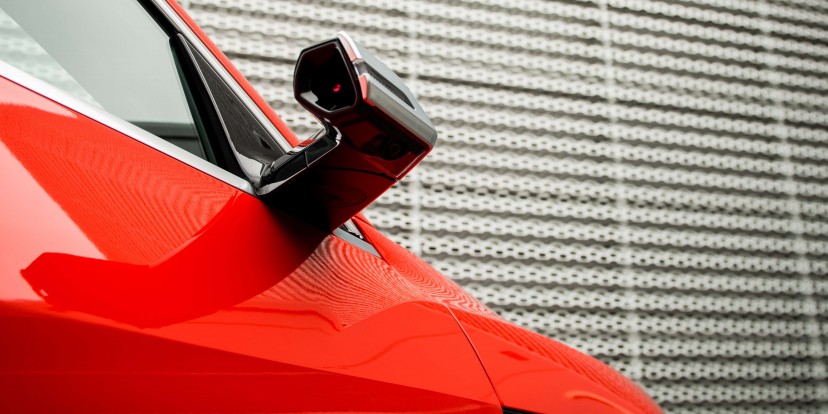
The shift from conventional side mirrors to camera systems started gaining traction with models like the Audi e-tron and Honda E, showcasing the benefits of reduced drag and enhanced aesthetics. While mirror cameras are not yet legal in the US, an increasing number of automakers are advocating for their adoption, particularly in EVs, where aerodynamic efficiency is a priority.
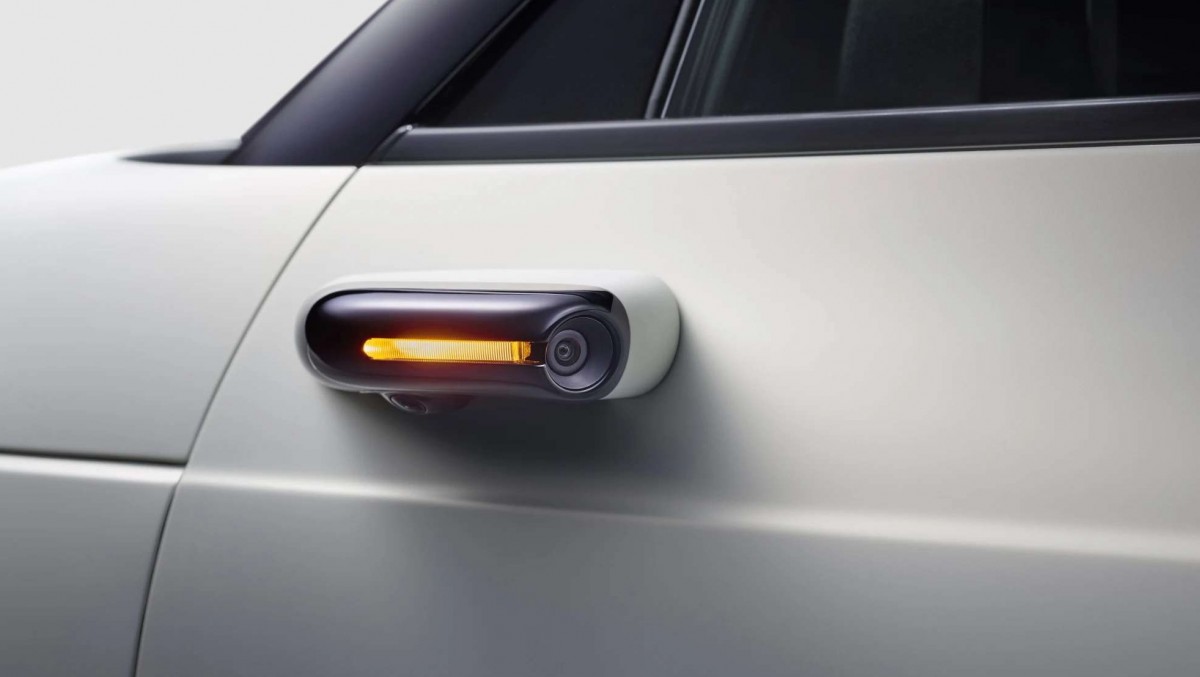
Advantages of Camera-Based Side Mirrors
One of the primary advantages of using camera systems in place of traditional mirrors is their ability to enhance aerodynamics and minimize wind noise. The compact nature of cameras can lead to improved vehicle efficiency, with Honda claiming a 3.8% increase in range when utilizing mirror cameras.
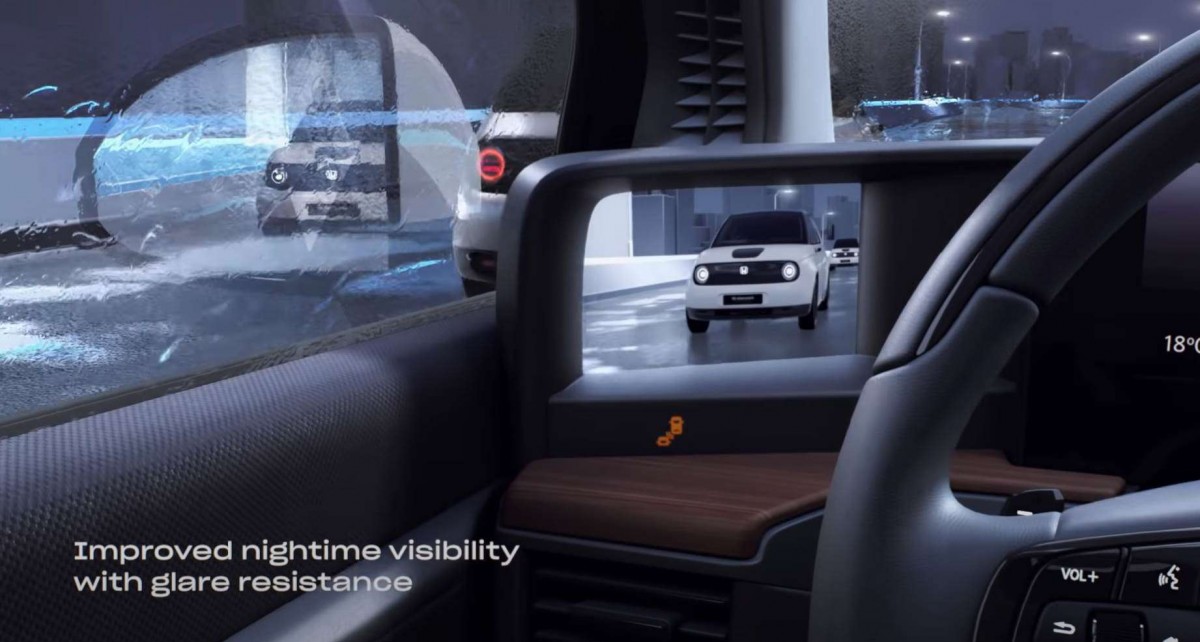
Additionally, mirror cameras help eliminate blind spots, providing a wider field of vision and increasing safety on the road. In low-light scenarios, such as tunnels or during inclement weather, cameras can deliver superior visibility through adjustable exposure settings, making driving conditions safer.
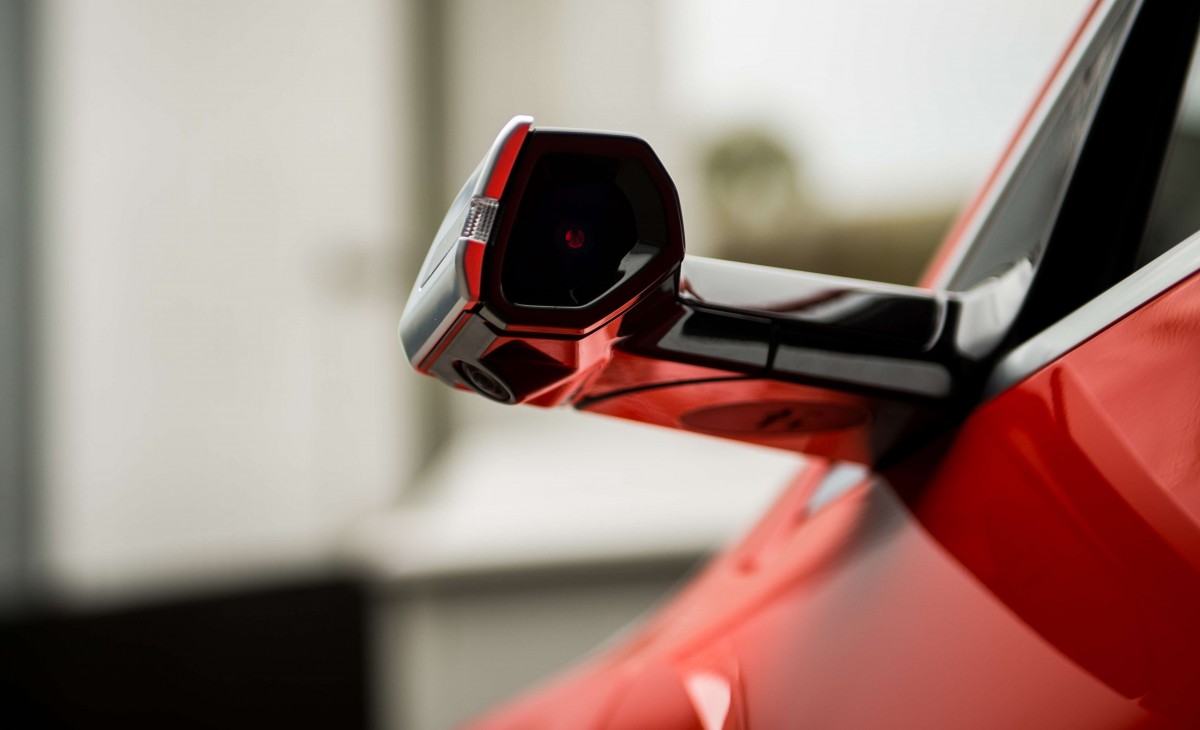
Aesthetically, mirror cameras present a sleek, modern look that aligns seamlessly with the design trends of contemporary electric vehicles. This minimalist approach appeals to both designers and consumers looking for more futuristic automotive solutions.
Challenges of Camera-Based Side Mirrors
On the flip side, there are several notable drawbacks to consider. The complexity of camera systems makes them more expensive to manufacture and replace compared to traditional mirrors. They are also prone to malfunctions, and like any electronic device, may deliver grainy or unclear images, particularly in challenging lighting conditions.
Display placement within the vehicle can pose another challenge. Many manufacturers set displays on the side doors, which can diverge driver focus from the road and create potential distractions, particularly at night.
Moreover, the technology may not be suitable for all drivers. Individuals with vision impairments, such as presbyopia, might find it difficult to shift focus rapidly between the display and the road, creating a safety concern.
Choosing Between Technologies
In conclusion, while camera-based side mirrors offer various advantages in terms of efficiency, safety, and design, they come with legitimate concerns that cannot be overlooked. It is crucial for consumers to have the choice of opting for either traditional mirrors or advanced camera systems, to cater to the diverse needs of the driving population. As the industry debates this emerging technology, we hope that the focus remains on enhancing the driving experience rather than limiting options for consumers.