As automotive technology evolves, one of the latest innovations redefining vehicle design is the use of mirror cameras, which replace traditional side mirrors. These high-tech alternatives have quickly gained traction among car manufacturers, promising enhanced aerodynamics, safety features, and aesthetic appeal. In this article, we will delve into the advantages and disadvantages of mirror cameras, examining how they improve driving experiences while also pondering their potential pitfalls.
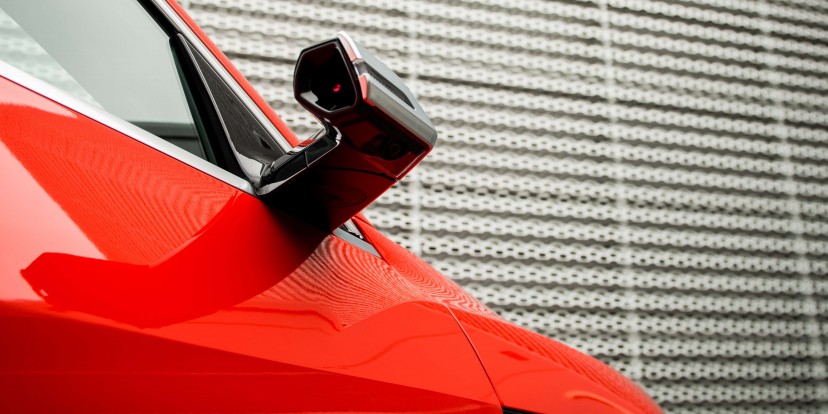
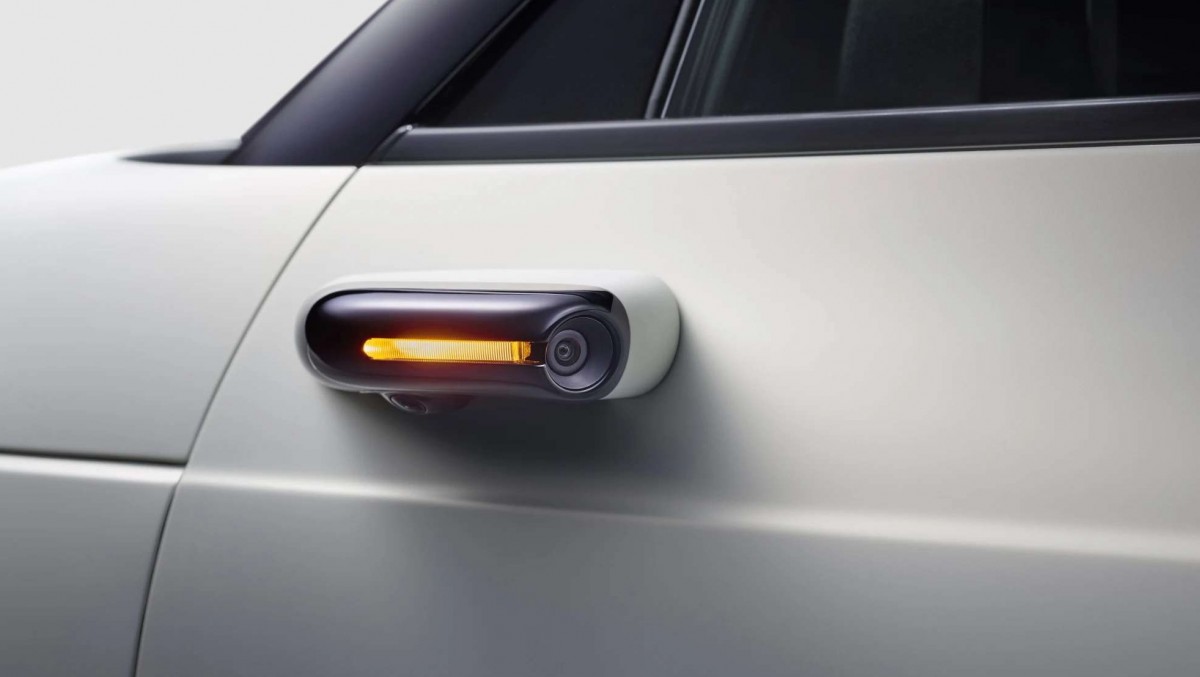
In 2019, Audi introduced mirror cameras in their e-tron model, followed closely by Honda's announcement of the Honda E, which incorporated this technology as standard. Other popular models featuring mirror cameras include the Honda E and Hyundai Ioniq 5. However, the lack of legalization for mirror cameras in the United States remains a barrier to their widespread adoption. Should regulations change, mirror cameras could become a staple in electric vehicles (EVs), particularly as manufacturers like Tesla advocate for them.
Enhanced Efficiency and Safety
The primary benefit of mirror cameras is their improvement in vehicle aerodynamics. By being more compact than conventional mirrors, they reduce wind resistance, leading to a claimed efficiency boost of 3.8% in range for vehicles like those from Honda. Additionally, mirror cameras provide a much wider field of view, significantly reducing blind spots that pose risks while driving.
Moreover, these cameras excel in low-light conditions. Unlike traditional mirrors, which depend solely on ambient light, mirror cameras can adjust their exposure and white balance settings, allowing for clearer visibility in dark environments such as tunnels or during nighttime parking.
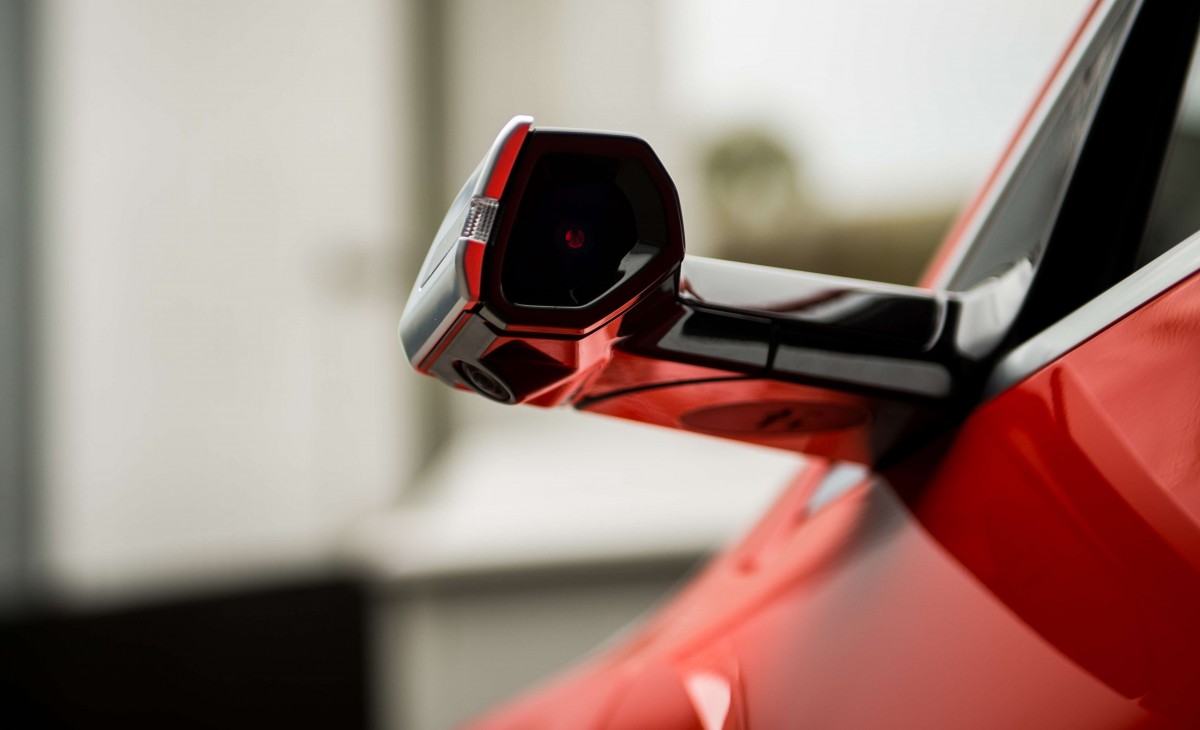
Aesthetically, mirror cameras lend a sleek and modern appearance to vehicles, aligning well with the design principles of many contemporary electric cars. Automakers have long envisioned a future without bulky mirrors, indicating a shift towards a more minimalist approach to automotive design.
Challenges of Mirror Cameras
Despite their advantages, mirror cameras come with notable drawbacks. The complexity of camera systems makes them more expensive to manufacture and replace than regular mirrors. Additionally, cameras may not consistently provide clear images, especially under poor lighting conditions or in instances of lens flare during bright sunny days.
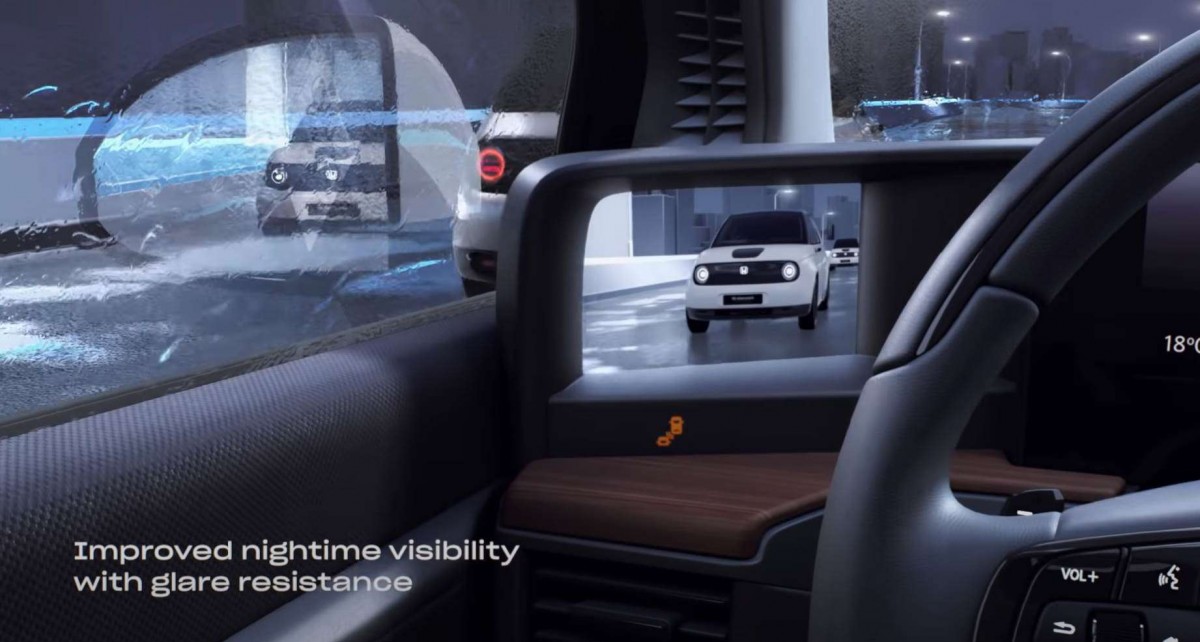
A significant concern involves the placement of displays inside cars. Manufacturers often install the screens on side doors, which can be distracting if brightness levels aren’t adjustable, posing hazards particularly during nighttime driving.
Furthermore, mirror cameras may create difficulties for drivers with visual impairments. For individuals suffering from presbyopia or other eyesight issues, the shift from looking at a distant object (like a rearview mirror) to a closer screen can challenge their ability to focus, especially if they wear bifocal or progressive lenses.
The Importance of Choice
In conclusion, while mirror cameras introduce exciting benefits to modern vehicle design, their effectiveness is not universal. It is essential to continue developing technologies that cater to all drivers' needs. Ideally, consumers should have the option to choose between traditional mirrors and mirror cameras. Thankfully, many automotive manufacturers currently support this stance, avoiding the temptation to sacrifice consumer choice for streamlined production.