Unveiling the Color Accuracy of the Samsung Galaxy S26 Ultra's Display
Sponsored content created in collaboration with Samsung.
Disclaimer: The following article presents a subjective overview of the Galaxy S26 Ultra's screen color accuracy based on scientific metrics.
Introduction
The display is one of the pivotal features of any modern smartphone, and the Samsung Galaxy S26 Ultra stands out with its remarkable ability to reproduce colors accurately. In a world where the “true” color of objects can vary dramatically between displays, understanding how accurately a smartphone portrays those colors becomes essential—especially for professionals in visual arts. This article explores the color accuracy of the Galaxy S26 Ultra's screen using a scientific metric known as Delta E, evaluates its performance under various settings, and discusses any impacts from new features like the Privacy Display.
Understanding Smartphone Color Accuracy and Measurement
Color accuracy is a scientific measure involving a metric called Delta E, which gauges how closely the colors displayed on your screen match real-world colors. Measuring Delta E provides a clearer understanding of color precision, which can be summarized as follows:
- 0-1: Reference values
- 1-2: Not perceptible by the human eye
- 2.3: The threshold above which differences are noticeable
- 2-5: Suitable for professional tasks like design work
- 2-10: Noticeable with close observation
- 11-49: Perceptible at a glance
- 100: Colors are entirely opposite
Galaxy S26 Ultra: Testing and Results
It's typical for users to adjust their screen brightness between 30% and 60% for indoor use—equating to approximately 200 to 300 nits of light intensity. This analysis provides measurements at 200 nits, representing a “worst-case scenario” for color accuracy since Delta E values usually improve with higher brightness levels.
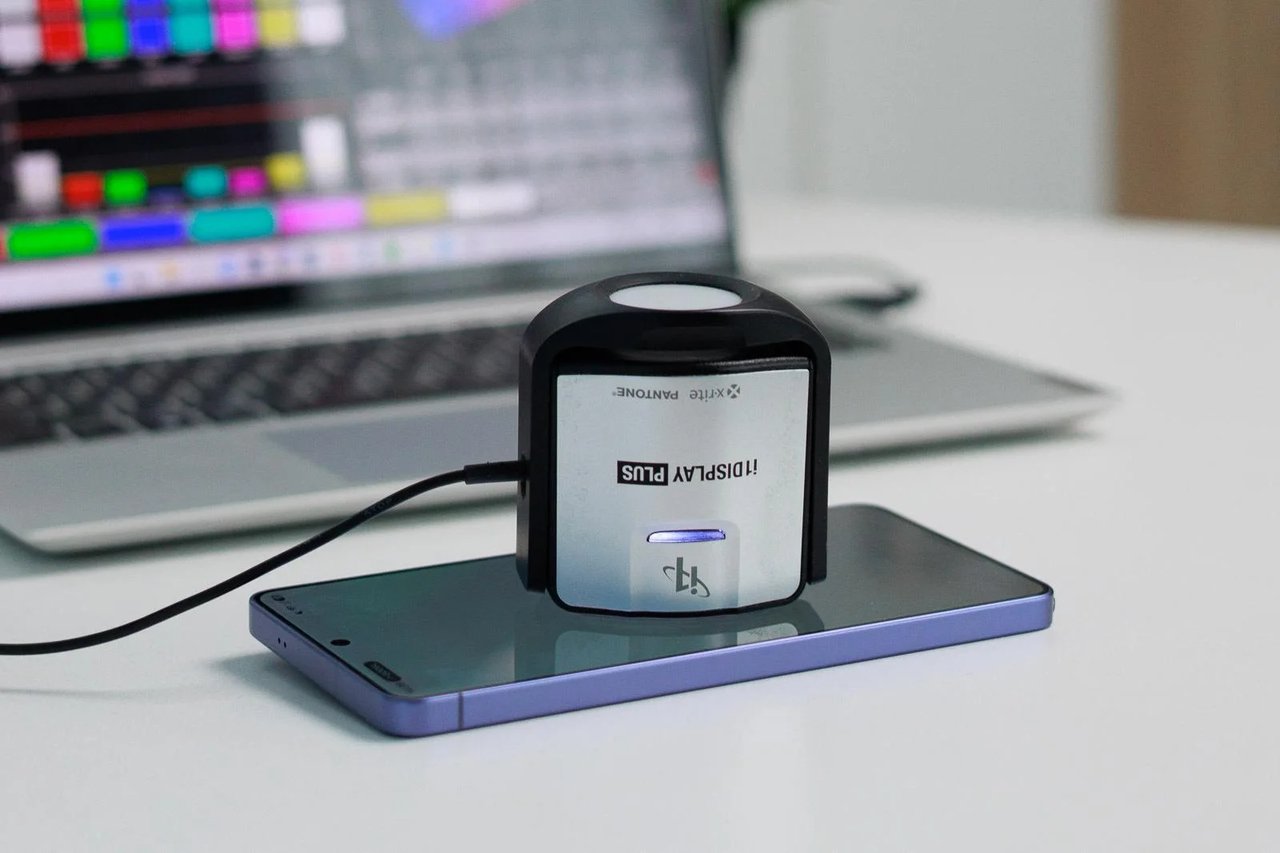
The Samsung Galaxy S26 Ultra has recorded an average Delta E of 2.14 at 300 nits and 2.61 at 200 nits. In the Delta E 2000 graph, the yellow line indicates the threshold value of 3.0. Most colors remained comfortably below this “golden” line, with red slightly exceeding it.
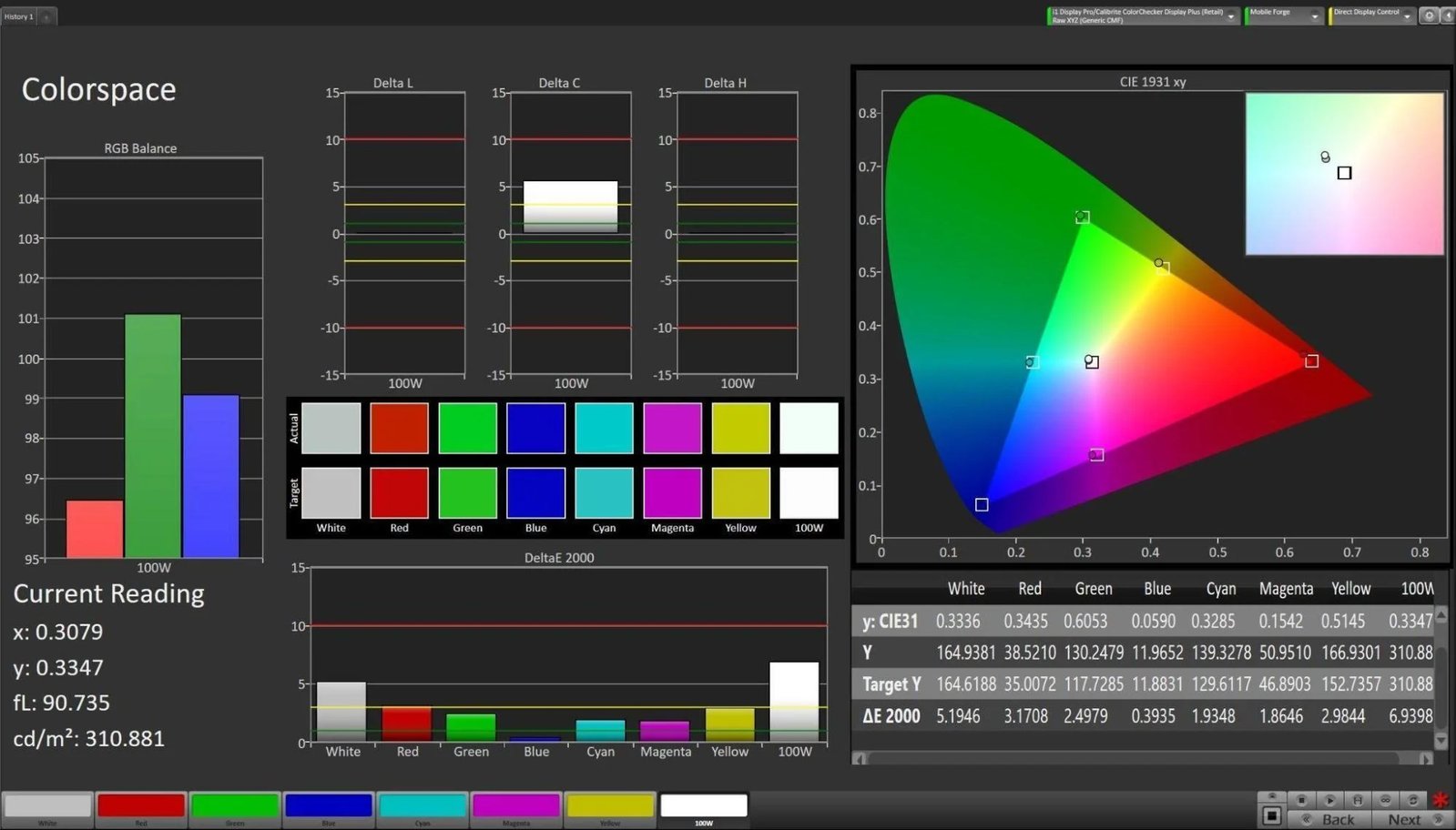
This data indicates the display's exceptional accuracy in reproducing colors—making it suitable for color-sensitive tasks such as graphic design, photography, and video editing.
Impact of Privacy Display and Anti-Glare Coating on Color Accuracy
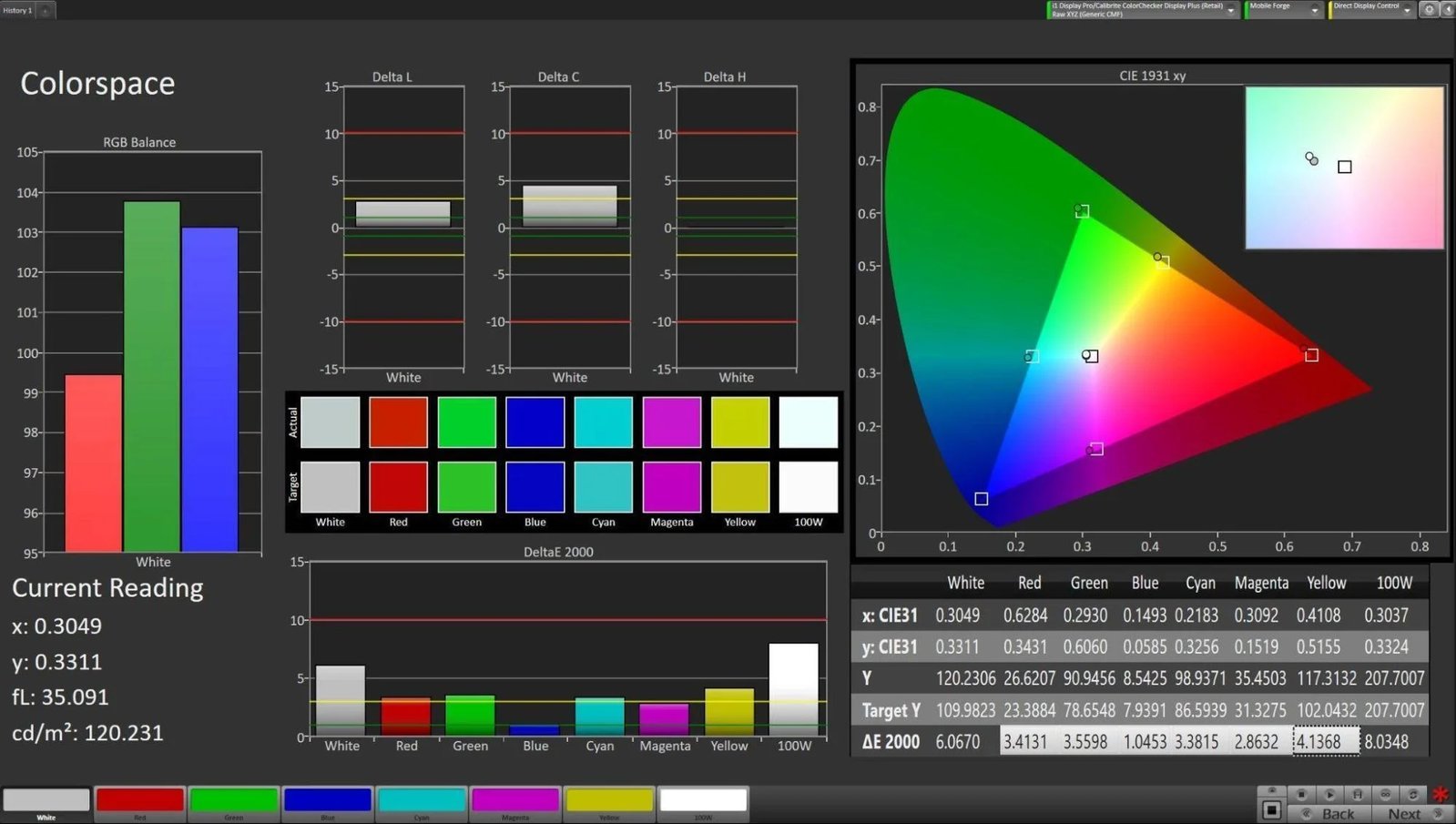
The innovative Privacy Display feature raises questions regarding its impact on color precision. Tests conducted with Privacy Display activated indicate an average Delta E of 3.07, which remains impressive, although approaching the human perception threshold. When set to maximum, the Delta E value rose to 5.84, making color changes more noticeable.
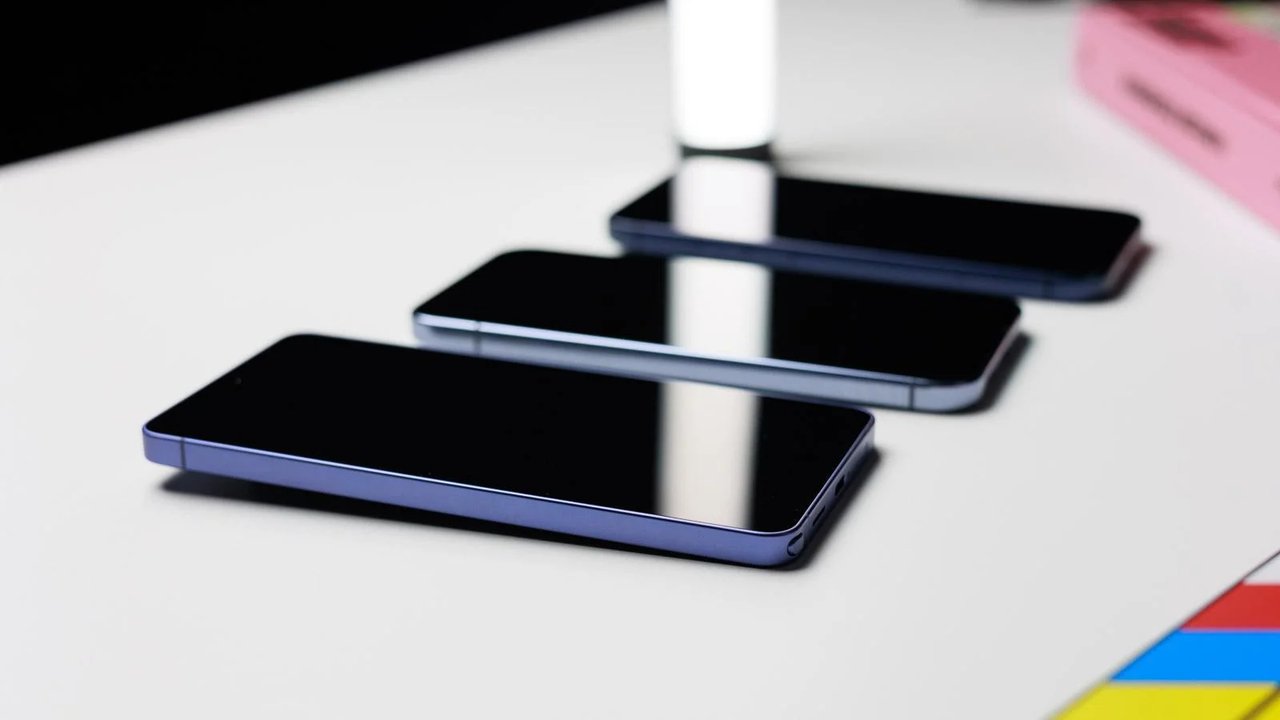
As for the anti-reflective coating, we conducted a rigorous reflectivity test with controlled lighting conditions. Here are the findings:
- Samsung Galaxy S26 Ultra - 3.9%
- iPhone 17 Pro Max - 4.6%
- Google Pixel 10 Pro XL - 7.1%
- Samsung Galaxy S26 - 7.1%
Conclusion
The Samsung Galaxy S26 Ultra not only shines in terms of outdoor brightness but also excels in color reproduction. For the most accurate results, users are encouraged to keep their display settings on Natural and disable the Privacy Display feature for optimal color fidelity. Even with Privacy Display turned on, the device still maintains a commendable level of color accuracy.
[1] Privacy Display - Requires manual activation in settings to function. Privacy Display feature is not AI-powered.