The Obsolete Battery Technology of Flagship Smartphones: Why iPhone 18 and Galaxy S27 Fall Short
As smartphone technology evolves at a rapid pace, one crucial aspect continues to lag behind: battery technology. Despite advancements in many areas, both Apple and Samsung have remained hesitant to push boundaries when it comes to the battery capacity and efficiency of their latest flagship devices, the iPhone 18 and Galaxy S27. This hesitation raises questions about the overall value and longevity of these devices, prompting consumers to consider alternatives from brands that are willing to innovate.
Why Samsung Hesitates on Battery Capacity
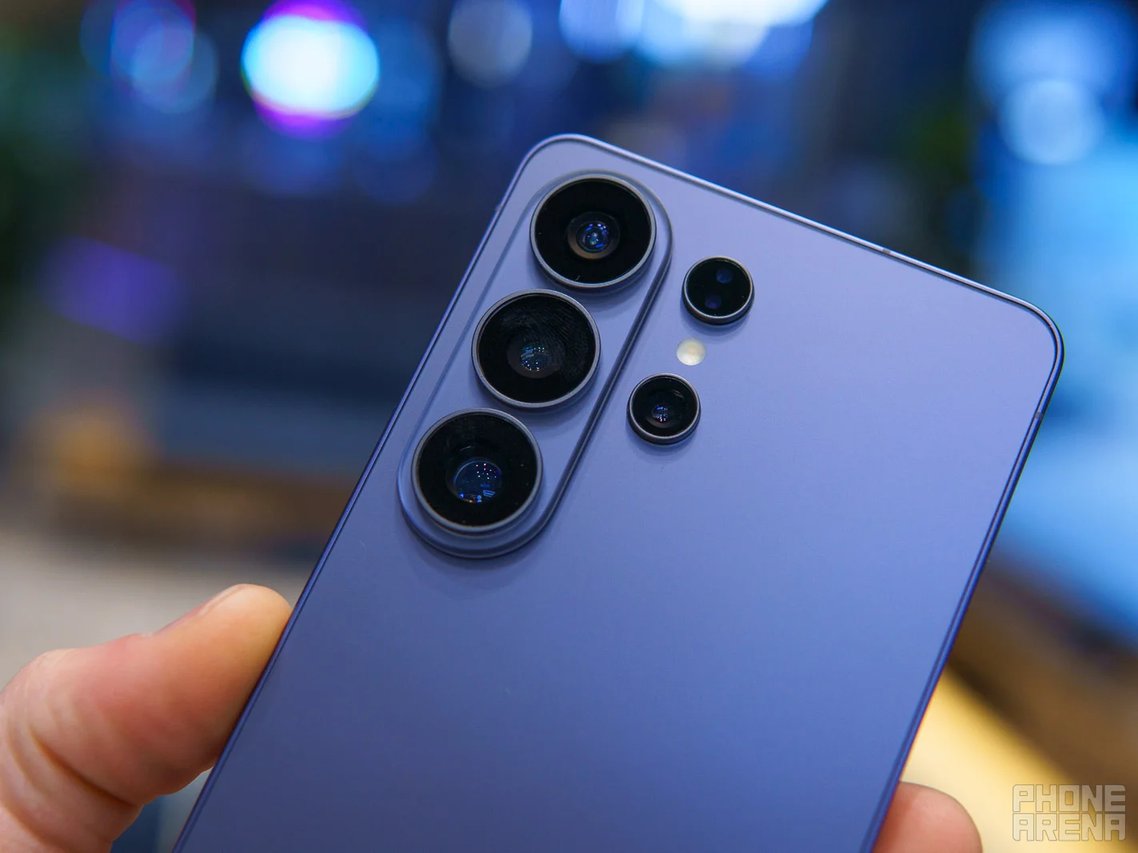
Samsung has released yet another iteration of its Galaxy Ultra series, but the battery capacity remains unchanged at 5,000 mAh. This stagnation in battery development raises concerns for users who seek devices that can support their increasingly demanding usage patterns. As competitors accelerate their advancements in battery technology, Samsung's reluctance to innovate in this area is becoming more evident.
Apple's Cautious Approach to Battery Improvements
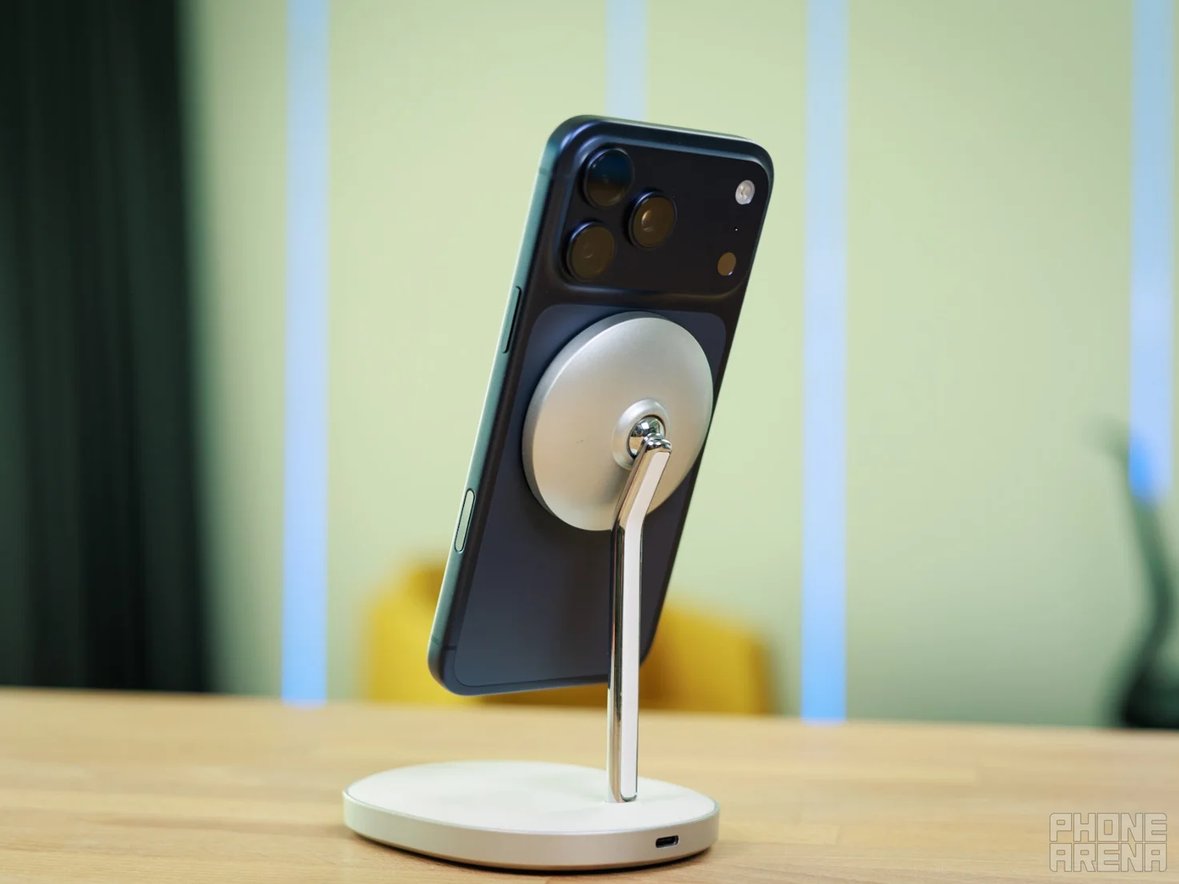
While Apple has made some strides in battery efficiency, improvements are slow and far between. The iPhone 17 Pro and Pro Max marked significant advancements for the brand, yet the latest models still underperform compared to newer alternatives in the market. Apple’s cautious progression may leave users in need of better options for long-lasting power.
The Challenge of Choosing a New Smartphone
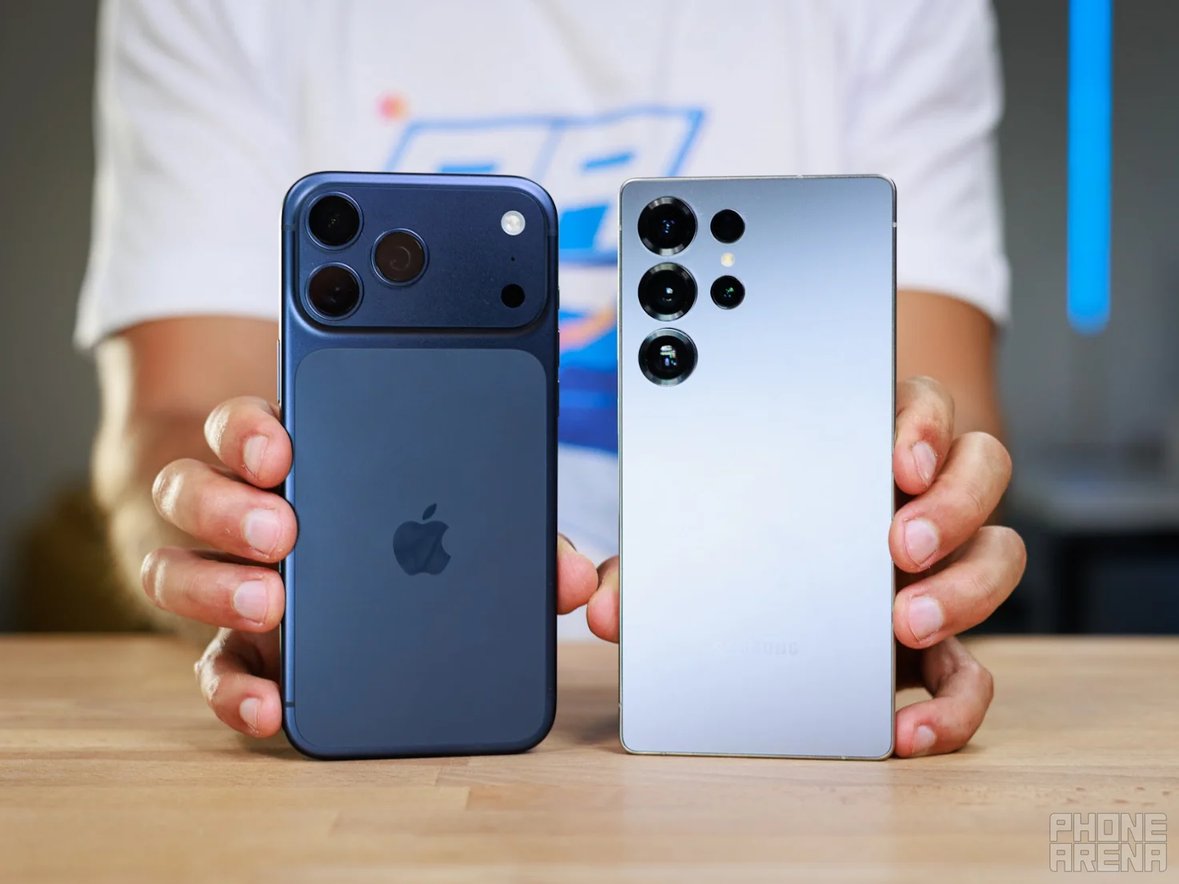
Given the current landscape of smartphone options, it is becoming increasingly difficult to recommend the latest Galaxy or iPhone. Both Apple and Samsung continue to prioritize design and features over battery innovation, making their devices less appealing when compared to offerings from Chinese manufacturers that embrace new technologies. Consumers are now left to weigh their choices carefully, as outdated battery tech can significantly impact their smartphone experience.