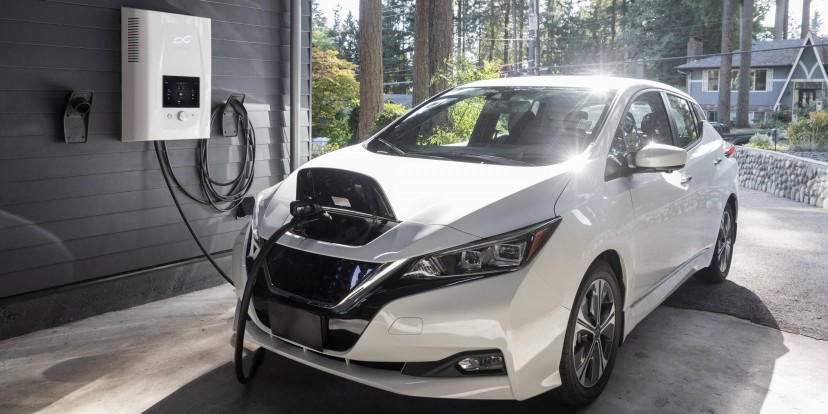
The rising prevalence of electric vehicles (EVs) and plug-in hybrids has sparked concerns about their potential impact on the energy grid. This article examines the main claims regarding this topic and addresses each point.
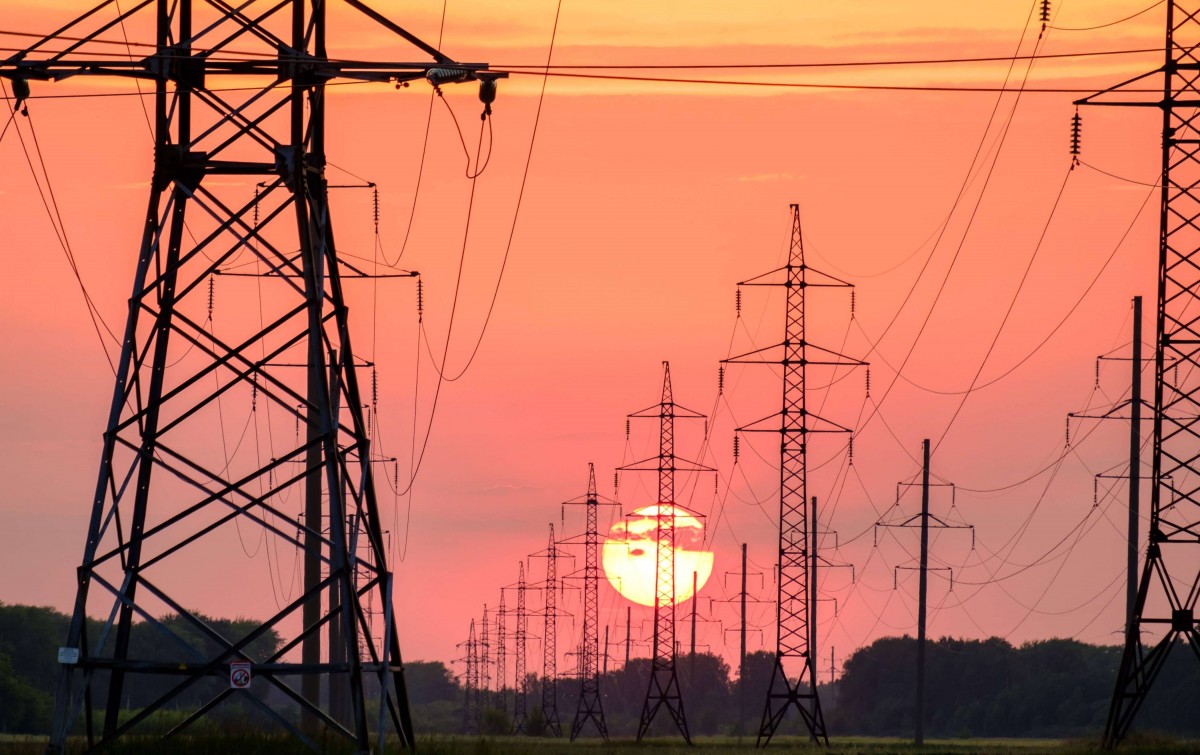
The central question is whether the electric grid can withstand increased demand, especially as experts predict that electric vehicles will constitute 58% of global vehicle sales by 2040, compared to just 10% today. For instance, if we consider the UK, there were approximately 32,697,000 cars as of 2020, according to the Department for Transport. If all of these were battery-powered and charging simultaneously at a standard home charger rate of 7kW, they would require 229GW of power—more than double the UK's current grid capacity of 101GW.
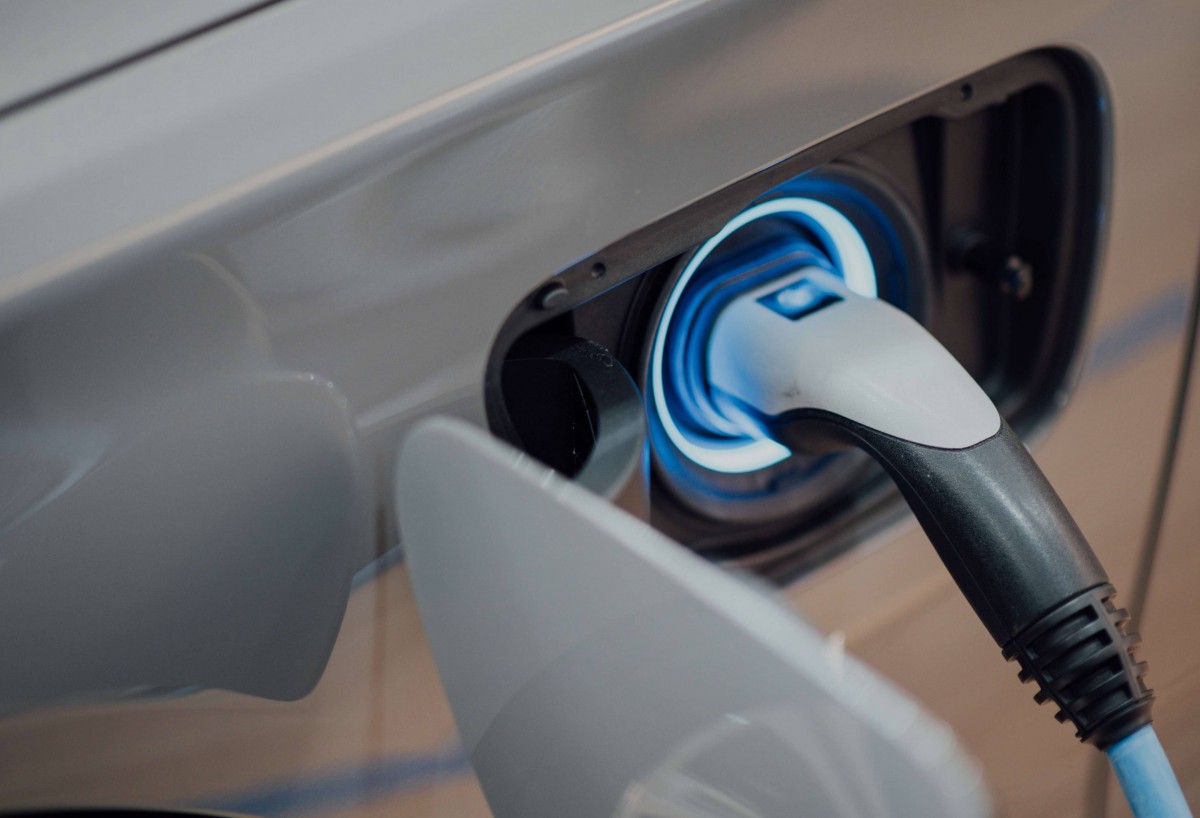
However, there’s no need for concern. The energy grids are capable of handling the additional load from electric vehicles. The calculations mentioned above are based on flawed assumptions and unwarranted alarmism. Such a scenario is impractical; it inaccurately assumes that all vehicles will transition to electric at once.
A rapid shift is impossible for several reasons, primarily because accelerating the production of electric vehicles cannot occur at that rate. Additionally, not every person will switch to an electric vehicle simultaneously; people typically retain their vehicles for several years before making a new purchase. Thus, the turnover from internal combustion engines (ICE) to electric vehicles will happen gradually, rather than overnight, even if global production capacity were sufficient.
Will Everyone Charge at the Same Time?
The skeptical view assumes that all electric vehicles will charge simultaneously, which is highly unlikely. There won’t be universal demand for simultaneous charging, nor will sufficient charging infrastructure be available immediately. This delay allows the grid to adjust its production capacity.
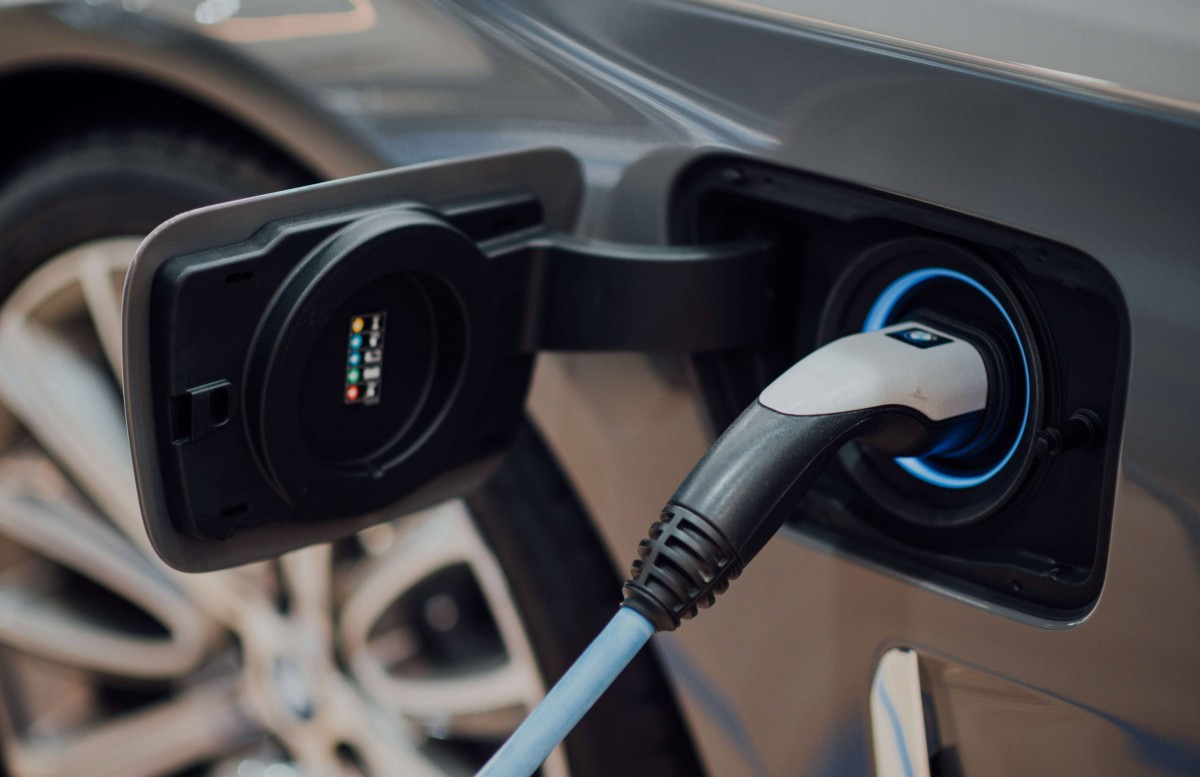
Using a comparable example, if every Briton turned on their washing machine at once, the demand would reach around 51.4 GW, significantly exceeding the average daily demand of 30 GW—the total energy consumed over a full day in the UK, of which washing machines represent only a small fraction.
To assess things realistically, we should evaluate the average distances driven by cars and their energy consumption. In 2019, cars in the UK were driven an average of 6,500 miles. Assuming a median energy consumption of 0.346 kWh per mile, each electric vehicle would consume approximately 2,249 kWh annually. Multiplying this by the total number of cars in the UK results in an annual energy requirement of 73.5 TWh to power all vehicles, corresponding to around 22% of the country's electricity generation for that year—an entirely different scenario than the earlier mentioned 200% of grid capacity.
Similar calculations in the European Union reveal that, averaging 11,300 km (or about 7,021 miles) driven per car in 2019, an electric vehicle in the EU would consume about 2,429 kWh yearly. Multiplying this by the total number of passenger cars in the EU gives us 589.5 TWh annually, equating to roughly 21% of generated electrical power.
In the United States, where average travel distances are higher, each car was driven about 14,000 miles per year in 2019, leading to an annual consumption of around 4,844 kWh per vehicle in our hypothetical scenario of universal electrification. This amounts to a total of 1,354.4 TWh, which is approximately 33% of total grid production. This aligns with calculations from popular engineering sources, suggesting a 30% increase in electricity production would be needed if all gasoline vehicles were converted to electric.
No Real Cause for Concern
The available data does not justify alarm. The last decade has experienced a consistent decline in electricity demand, primarily due to the spread of more efficient consumer electronics and reduced industrial production. In the 2010s, electricity generation fell by 3% in the United States and an alarming 18% in Great Britain.
Furthermore, as electric vehicles become more common, the demand for internal combustion engine vehicles will decrease, influencing gasoline production and overall electricity consumption in industrial production. This decrease may free up additional electricity to power electric vehicles.
Is Increasing Electricity Production Impossible?
In reality, ramping up electricity production is feasible without drastic innovations. Norway provides an excellent example. With 12% of its vehicles currently electric, the country has managed to meet increased electricity demands without major issues. Since 1990, energy consumption has increased by 26%, but production has kept pace.
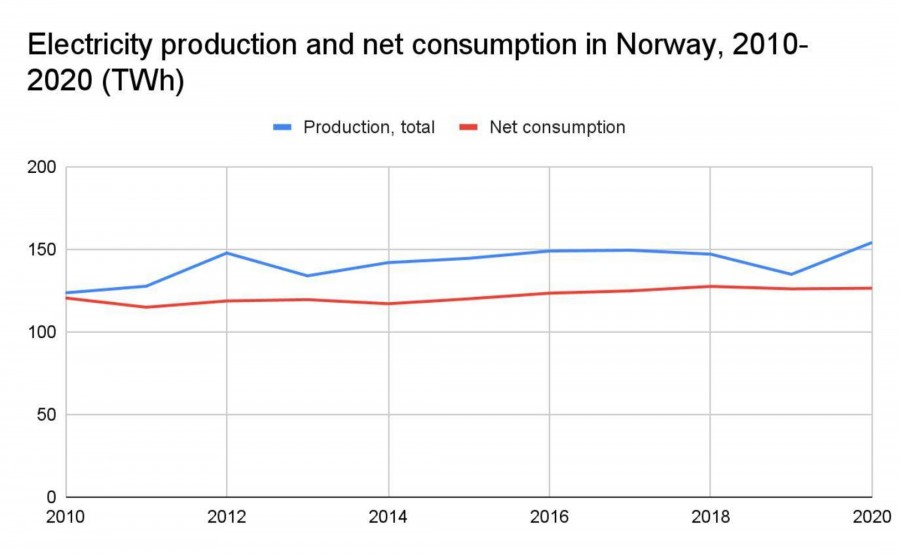 Source: Statistics Norway
The gradual pace of EV adoption is another key factor in why we shouldn't worry about the capability of electrical grids. Unlike theoretical scenarios, the transition to electric vehicles will not occur overnight. In the last decade, UK electric passenger car registrations have skyrocketed from 1,544 in 2010 to 314,966 by Q3 2021—a near 5000% increase, yet it still represents a small fraction of total vehicles on the road.
Experts anticipate continued increases in EV adoption rates. Reports from EY and Eurelectric project that the European vehicle fleet will expand to 65 million electric vehicles by 2030 and 130 million by 2035. However, with the total EU vehicle count remaining at about 242 million, electrics would only represent 53% of the total—still far from universal adoption. The conclusion remains that the grid can handle the predicted growth in electric vehicles.
In the United States, a study conducted by U.S. Drive compared vehicle adoption to that of various electrical appliances. They modeled three scenarios—low, medium, and high adoption rates—all concluding that the grid could manage the additional demand, as it has dealt with similar challenges before.
Potential Issues with Peak Consumption
Despite the lack of immediate concerns, electric vehicles present challenges, including the risk of grid overload during peak hours. Unmanaged charging could lead to fluctuations in voltage and power losses.
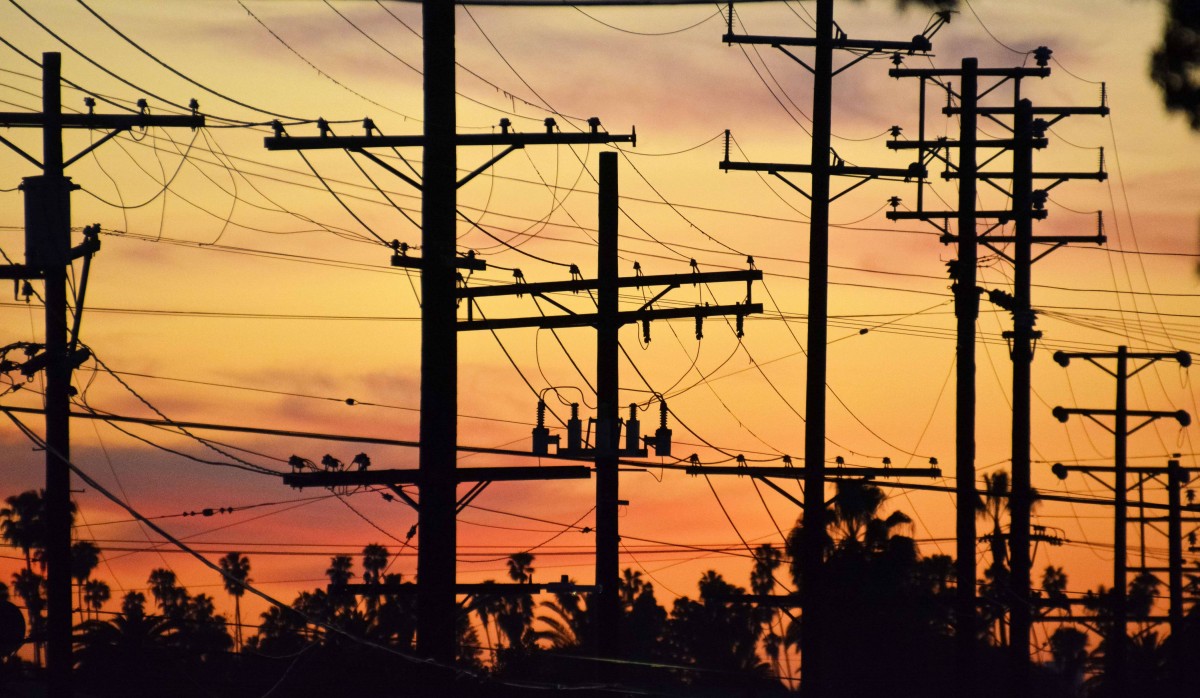
Electricity distributors must enhance capacity at the “last mile”—especially during peak periods—while also incentivizing consumers to charge during off-peak hours, such as offering lower rates at night. This strategy has been implemented in many countries, and its enhancement could help mitigate congestion.
Additionally, integrating smart grids can improve energy infrastructure efficiency, providing better solutions for managing peak demand. The prospect of vehicle-to-grid (V2G) technology, which would allow car batteries to assist the grid during high demand, is also on the horizon.
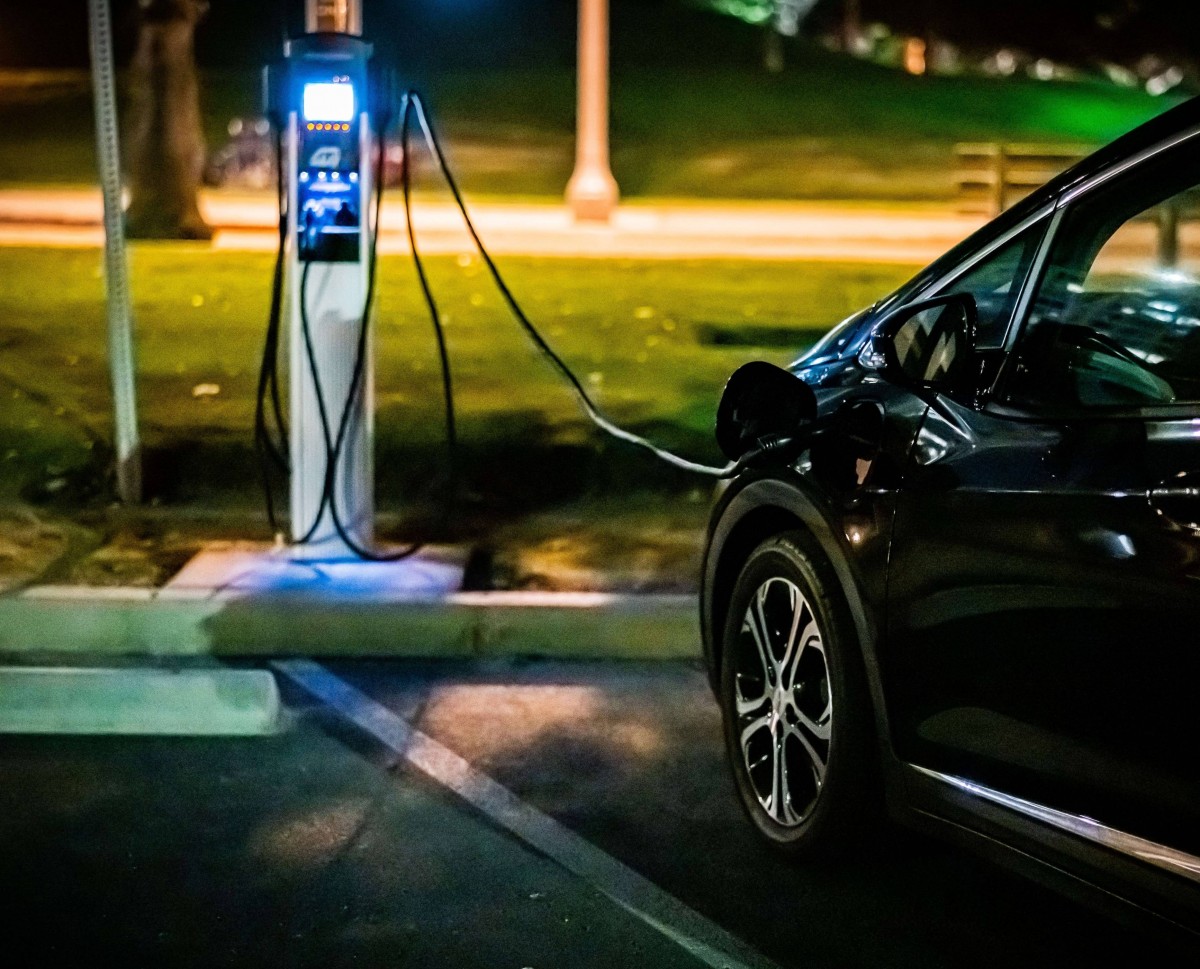
However, V2G technology faces numerous challenges, including the depletion of lithium-ion batteries through additional use cycles. Consumers are primarily motivated to purchase electric vehicles for personal use rather than as grid support systems. Nevertheless, in specific scenarios—such as green-powered homes—these solutions may prove beneficial.
Rapid Changes Ahead
Overall, the electric grid is set to effectively manage the increased demand associated with electric vehicles, given the gradual pace of adoption (even under the most optimistic forecasts). Numerous studies indicate that the effects of mass electric vehicle adoption on the grid are manageable.
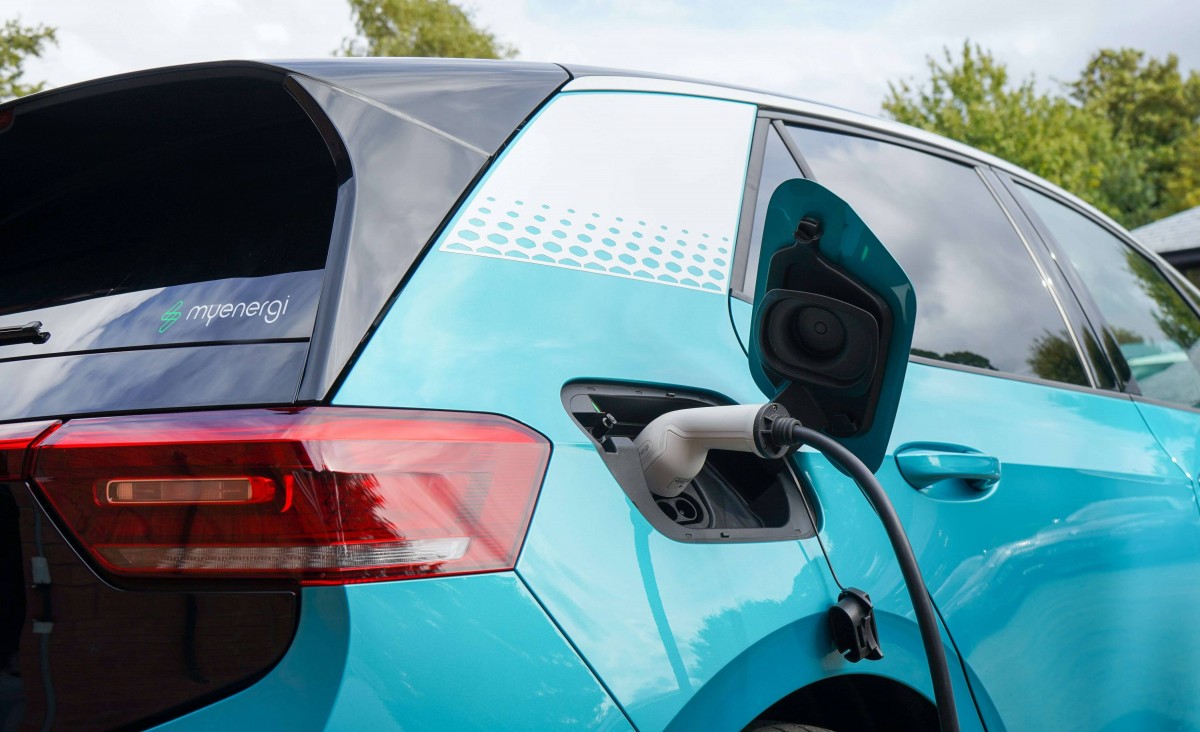
Historically, we’ve navigated similar challenges as new electrical appliances became ubiquitous. A century ago, the average consumer relied on electricity primarily for lighting, yet today we depend on it for work, leisure, and transportation.
While the pace of EV adoption may feel unprecedented compared to previous appliance adoption rates, advancements in renewable energy, smart grids, and battery technology provide substantial support that was unavailable in the past.
In conclusion, there is no need for alarm regarding the grid's ability to support electric vehicles. Instead of worrying about potential catastrophes, we should embrace the advantages EVs offer over traditional internal combustion engines.
TL;DR
While there are challenges in the widespread adoption of electric vehicles, the electricity production and power grid are not among them.
Photo source: Unsplash