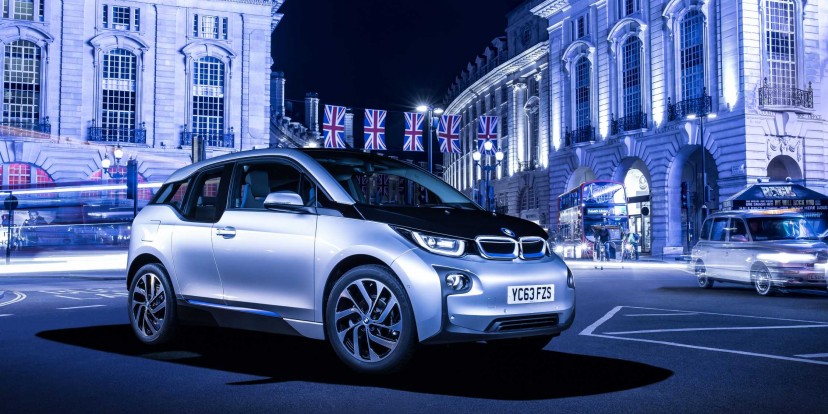
Launched in late 2013, the BMW i3 was a groundbreaking fully electric vehicle that set the standard for sustainable transportation long before electric mobility became mainstream. With its innovative materials and advanced engineering, the i3 paved the way for future electric cars, boasting features that many modern vehicles still cannot match. In this article, we explore the remarkable innovations of the BMW i3 and consider its relevance in today's second-hand car market.
 2013 BMW i3
Body and Chassis Design
Inspired by the philosophy of "adding lightness," as famously uttered by Lotus founder Colin Chapman, BMW incorporated advanced materials like carbon fiber reinforced plastic (CFRP), aluminum, and magnesium into the i3's structure. These materials are rare in mass-produced vehicles due to their high costs and manufacturing complexities. The i3 features a unique design with two main modules: the life module (CFRP passenger compartment) and the drive module (aluminum chassis), achieving exceptional strength without the need for a B-pillar.
With its initial variant housing an 18.8 kWh battery, the i3's weight stood at an impressive 1,270 kg, marking it as a pioneer in lightweight electric vehicle construction.
 The Carbon and Aluminum Structure of the BMW i3
Innovative Powertrain and Battery System
Utilizing a dedicated electric vehicle platform, the i3 features a rear-mounted 3-phase permanent magnet synchronous motor, widely regarded as the most efficient type of electric motor, boasting up to 94% efficiency. With power outputs of 170 hp and 184 hp in the "S" version, its performance is remarkable for a compact car, achieving 0-100 km/h in just 7.2 seconds for the base model and 6.9 seconds for the sportier version.
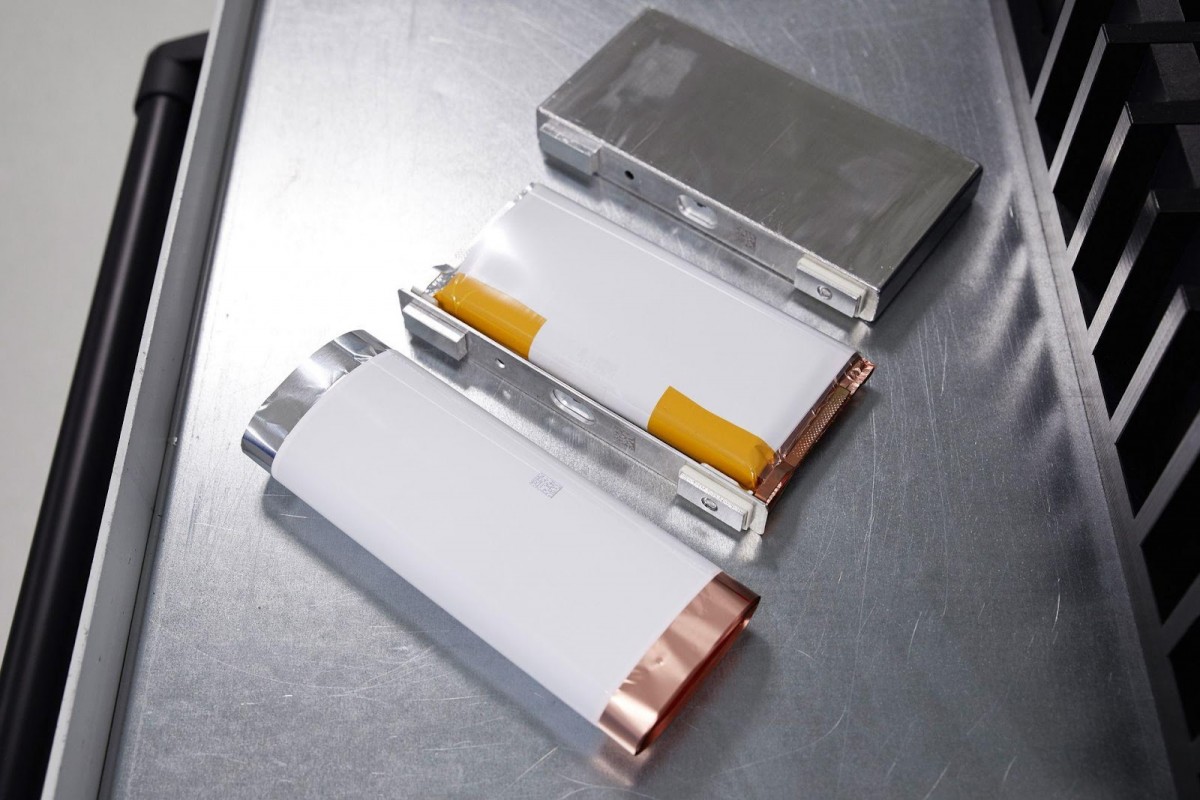
The i3 came equipped with three different liquid-cooled battery options: 60Ah, 94Ah, and 120Ah, providing ranges from 160 km to 285 km. For drivers seeking more flexibility, BMW also offered a range extender variant featuring a small two-cylinder engine that functions exclusively as a generator, extending the driving range to about 300 km.
 The High Voltage Battery of the BMW i3
Advanced Running Gear
The i3's fully independent suspension enhances both comfort and handling. Its front axle utilizes a McPherson strut design while a sophisticated five-link system supports the rear. The choice of tire width—narrow 155 mm tires—may seem unconventional, but it reduces aerodynamic drag and rolling resistance, although this choice differs from the trends of larger wheels in today's electric vehicles.
Despite its unique tire size, aerodynamic performance remains competitive, with a drag coefficient of 0.29.
 The Sophisticated Rear Suspension of the BMW i3
Interior Innovation
The innovative spirit extends to the interior of the BMW i3, characterized by the absence of a B-pillar and rear-hinged doors, providing a spacious atmosphere. The layout includes a compact instrument cluster and larger infotainment screen, which has influenced contemporary design trends across the automotive industry. Sustainability in interior materials is prioritized, featuring recycled plastics and natural materials, making the i3 a frontrunner in eco-friendly car design.
 The Interior of the BMW i3
Is the BMW i3 Still a Good Choice?
Absolutely. The BMW i3 remains a strong contender in today's market due to its innovative technology and eco-friendly materials. While the maximum battery available (37.9 kWh) might be considered low by current standards, it is well-suited for urban driving and occasional trips beyond city limits. For those seeking a practical electric vehicle with a unique design, a used BMW i3 could be an excellent choice.
 The Sporty BMW i3S
Pricing for used BMW i3 models has caught attention, with current data from CarGurus indicating an average price of approximately $26,178. This average has seen an increase of 33.9% over the past year. Listings range from $13,990 to $47,500, with multiple options available across various markets, showcasing the i3's enduring value in the second-hand car landscape.