Chase Faces Financial Setbacks as Apple Card Transition Costs Mount
JPMorgan Chase is gearing up to take over the Apple Card amid the conclusion of Apple's partnership with Goldman Sachs. However, the transition has reportedly come with significant financial repercussions, with Chase experiencing a 7% dip in Q4 profits. This article delves into the circumstances surrounding these developments and the expected impact on the company moving forward.
JPMorgan Chase's Q4 Profits Decline Amid Apple Card Transition
According to a Wall Street Journal report (via AppleInsider), JPMorgan Chase's profits fell by 7% to $13 billion during the fourth quarter of the previous year. While the decline can be attributed to unexpected drops in investment banking fees among other factors, the most significant concern appears to be the costs associated with the Apple Card transition.
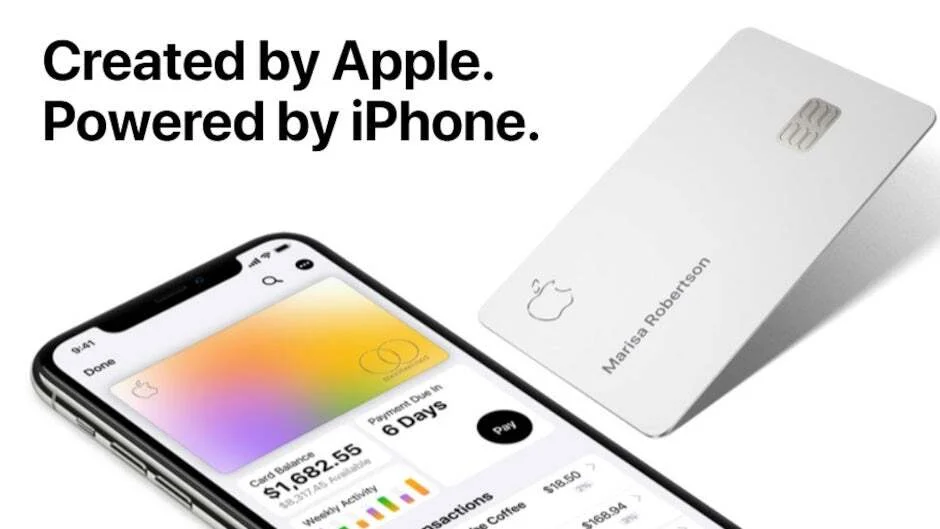
Fortunately, this decline is not due to mishaps similar to those that plagued the Apple-Goldman Sachs collaboration. Instead, reports indicate that Chase is preparing for anticipated losses associated with the Apple Card. The bank has set aside approximately $2.2 billion as a financial buffer against expected unpaid loans arising from the card's launch.
Is the New Partnership with Apple Worth It?
While the move presents opportunities, it's essential to understand that it comes with financial risks. In 2024, rumors indicated that unpaid Apple Card balances surged to around $17 billion, greatly overshadowing the $2 billion unpaid balance on the General Motors card.
Would You Trust Your Apple Card with a New Bank Partner?
JPMorgan Chase and the Future of the Apple Card
The Apple Card serves as a credit card embedded within the Apple Wallet, offering users up to 3% unlimited Daily Cash back on purchases, especially when utilizing Apple Pay. Moreover, it eliminates fees such as annual or foreign transaction charges, along with providing easy tools for spending tracking and payment management through iPhone and Apple Watch.