TM Roh, Co-CEO of Samsung’s mobile division, addressed the media at the CES 2026 trade show, stating, “We’re facing one of the harshest pricing situations in memory,” and cautioned that “smartphone price adjustments may be necessary.”
In response to this pressing issue, Samsung is collaborating with other companies within its supply chain to find long-term solutions. This shortage is impacting a wide range of electronics, notably smartphones, televisions, and various smart devices.
Wonjin Lee, Samsung’s Global Marketing Head, shared with Bloomberg that the company is considering “repricing” its smartphones to align with the evolving economic landscape. A brief interview with Lee can be viewed on Bloomberg, where he discusses memory prices, the future of televisions, AI developments, and more.
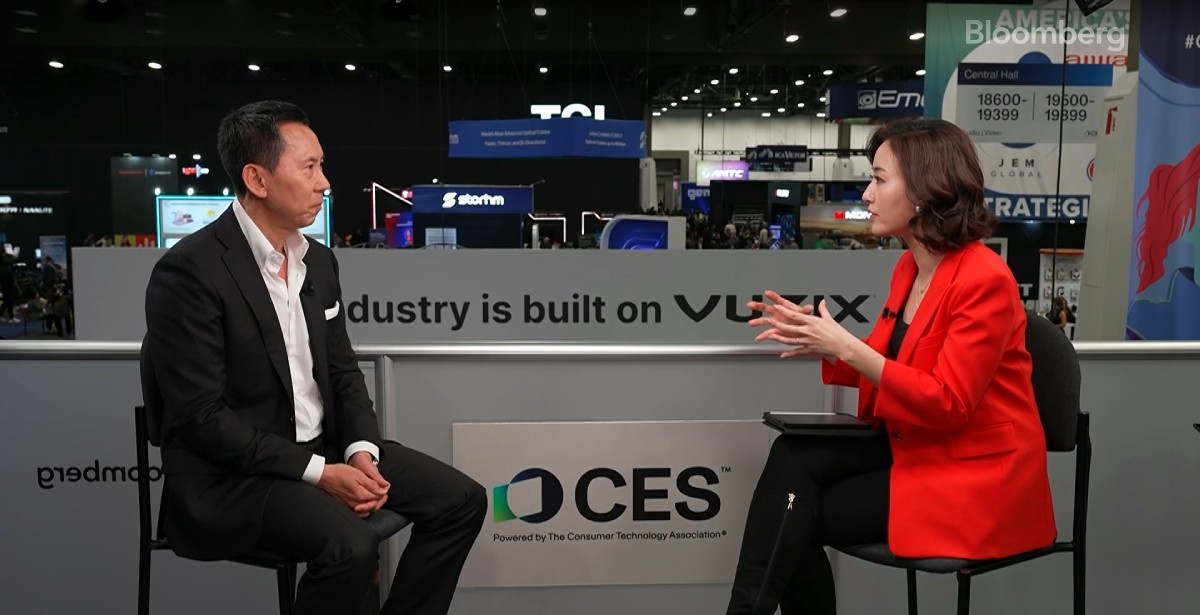 Head Wonjin Lee giving an interview to Bloomberg
Despite its semiconductor division being the largest chip manufacturer in 2024, Samsung lost its memory market leadership to SK Hynix in 2025. This shift presents challenges for its smartphone division, which is currently struggling to procure memory chips at competitive prices.
The impending launch of the Galaxy S26 series represents a critical moment for Samsung, especially as Apple has ascended to become the world's largest smartphone maker, with the iPhone 17 series achieving strong sales. To counteract potential negative repercussions, Samsung is reportedly contemplating a price freeze for the S26 launch in specific markets.

Additionally, Samsung executives addressed the topic of AI—a field that every technology company is currently pursuing and the primary driver behind rising memory prices. According to a recent survey conducted by Samsung, AI brand awareness among Galaxy users surged from 30% to 80% over the past year.
This year, the company aims to ship 400 million new AI-enabled devices, including smartphones, TVs, and home appliances, effectively doubling the existing total of Galaxy AI devices.
Source 1 (paywall) | Source 2