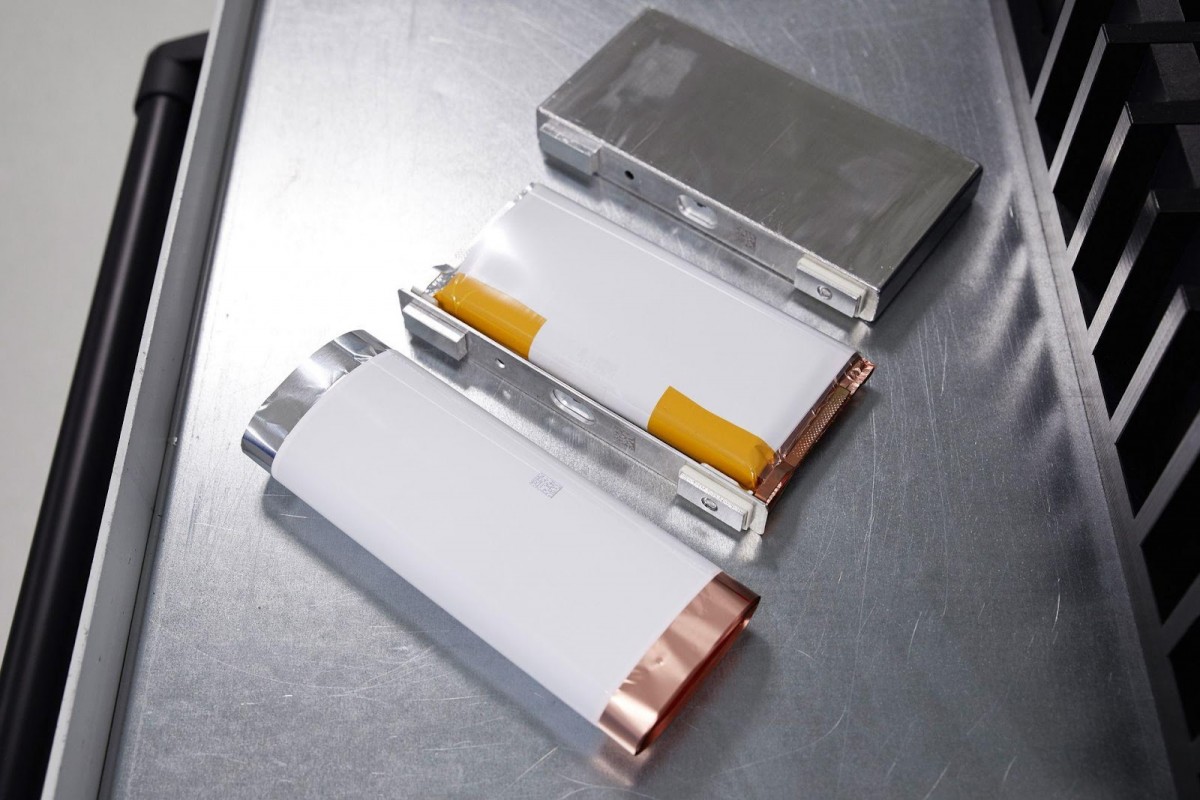
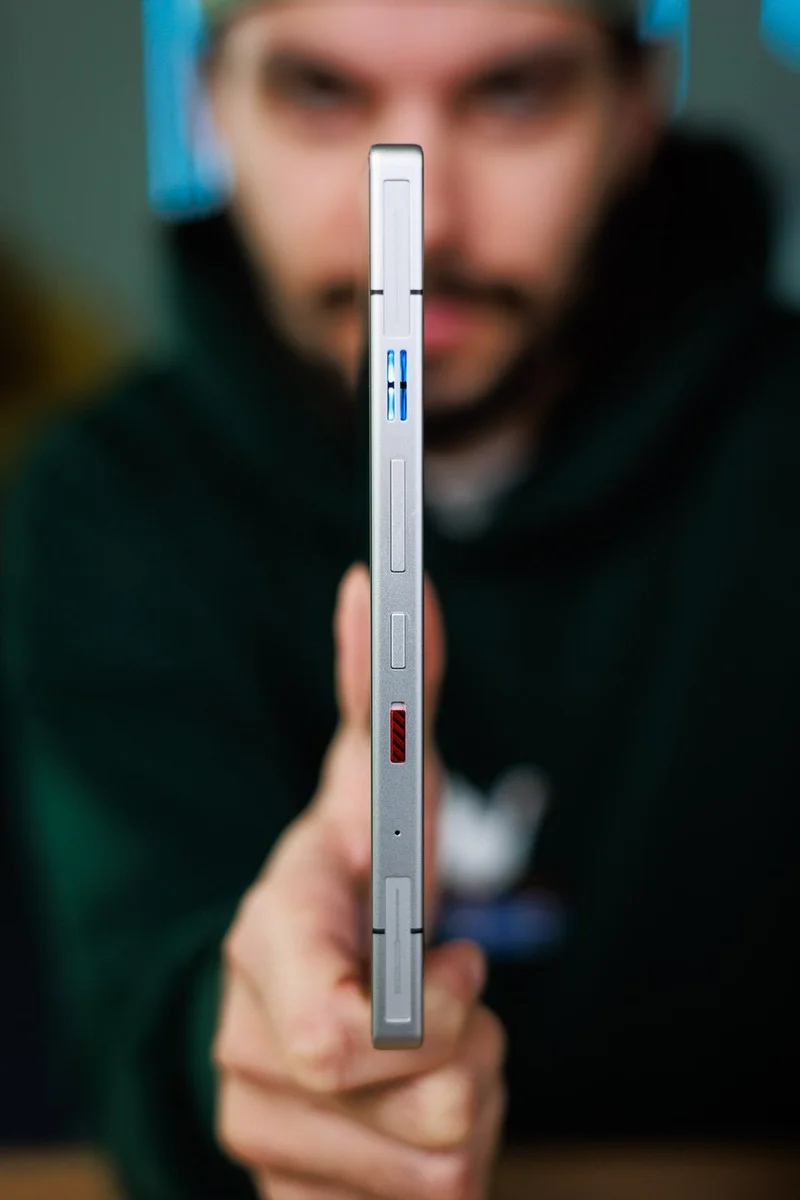
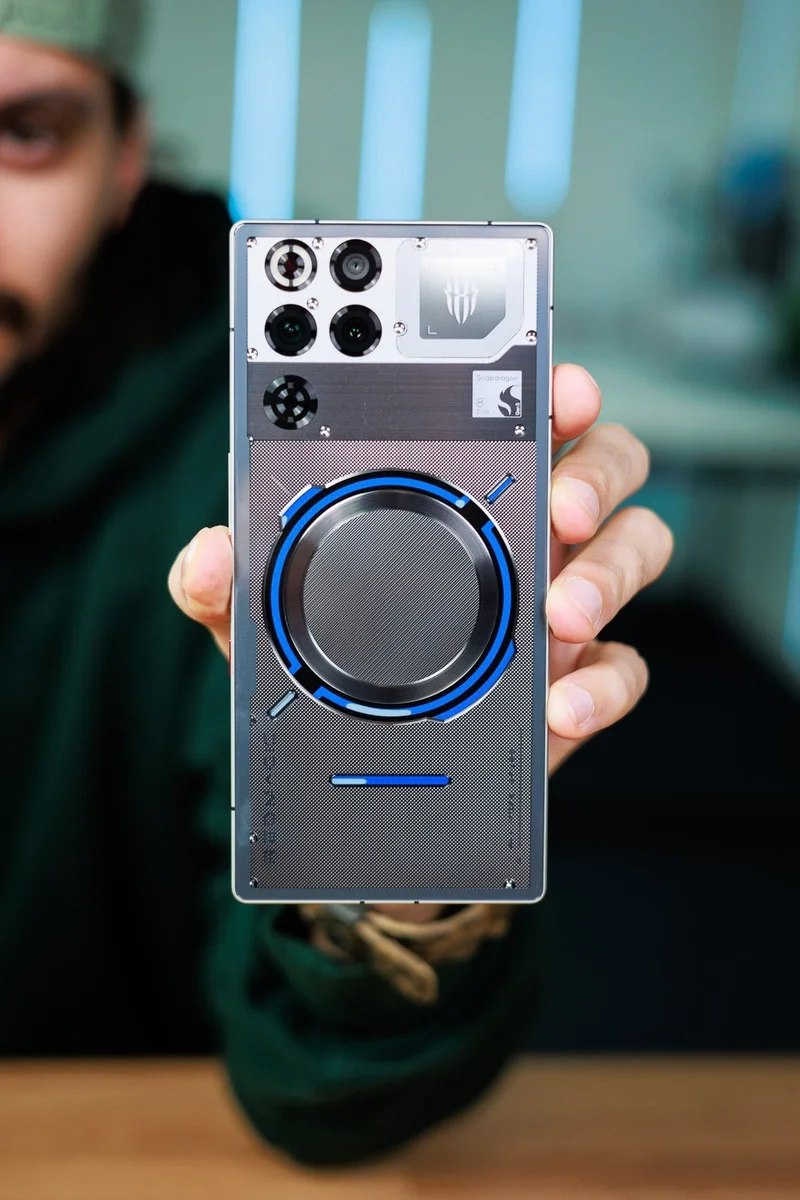
Since their introduction, gaming phones have carved out a unique identity in the smartphone landscape, boldly positioning themselves against mainstream competitors. These phones, often characterized by enhanced batteries, customizable shoulder triggers, eye-catching RGB lighting, and advanced cooling systems, have catered specifically to gaming enthusiasts. However, recent developments indicate that the era of gaming phones may be coming to an end, as indications suggest that the category is struggling to maintain its relevance in a market that has evolved significantly.
Gaming Phones: The Wrong Battle Won
The performance of gaming phones has traditionally set them apart, with impressive capabilities supported by robust cooling systems and massive batteries designed for prolonged gaming sessions. Yet today, flagship models like the Galaxy S25 Ultra, iPhone 17 Pro Max, and OnePlus 15 demonstrate impressive gaming performance, often rivaling or surpassing that of dedicated gaming devices. This shift raises questions about the distinct advantages of gaming phones as the line between these devices and traditional flagship smartphones blurs.
Shifting Consumer Expectations
As mobile gaming evolves, consumers are placing more value on functionalities beyond just high performance. Today's users demand improved cameras, long-term software updates, and sleeker designs in their devices. While gaming phones often lag behind in these areas due to their bulkier designs and shorter update policies, high-performance flagship smartphones are rapidly closing the gap. This shift has left gaming phones at a disadvantage, as even devices like the OnePlus 15 now deliver impressive gaming capabilities wrapped in a more conventional aesthetic.
The Challenges Facing Gaming Phone Manufacturers
Major brands like Asus have tried to navigate both high-end and mainstream markets with little success. Despite creating some of the most powerful gaming phones, they are witnessing a decline in user adoption. Competing against giants like Samsung, Google, and Apple, gaming phones face an uphill battle in developing a sustainable market presence.
Irony of Gaming Phones' Evolution
The irony is striking: the very features that made gaming phones appealing may also be contributing to their downfall. The OnePlus 15 exemplifies how mainstream devices can pack gaming-phone-like performance while retaining a more attractive and versatile design. As smartphone technology continues to advance, the sacrifices typically associated with gaming phones—such as camera quality and aesthetics—are becoming increasingly difficult to justify.
The Future of Gaming Phones: A Fading Niche
Although gaming phones still have the potential to lead in technological innovation and showcase the latest processing capabilities, their future in the mobile gaming market is uncertain. Rather than positioning themselves as competition to flagship devices, the success of mobile gaming may rely more on the integration of accessory devices like AR glasses and how they interact with smartphones. The niche for dedicated gaming phones could soon be on the brink of extinction.