Samsung has already unveiled the world's first 2nm chip, the Exynos 2600, which will debut with the Galaxy S26 series. Key competitors such as Apple, Qualcomm, and MediaTek are expected to launch their own 2nm chips in the coming months.
The upcoming Apple A20 chip, designed for the iPhone 18 series, along with the Snapdragon 8 Elite Gen 6 and Dimensity 9600, slated to power this year’s Android flagship devices, are all anticipated to be produced using TSMC's N2 process node, which has officially entered mass production.
A recent report from Taiwan's Economic Daily News indicates that these 2nm chips will come with significantly increased manufacturing costs, leading to notably higher prices for forthcoming flagship smartphones.
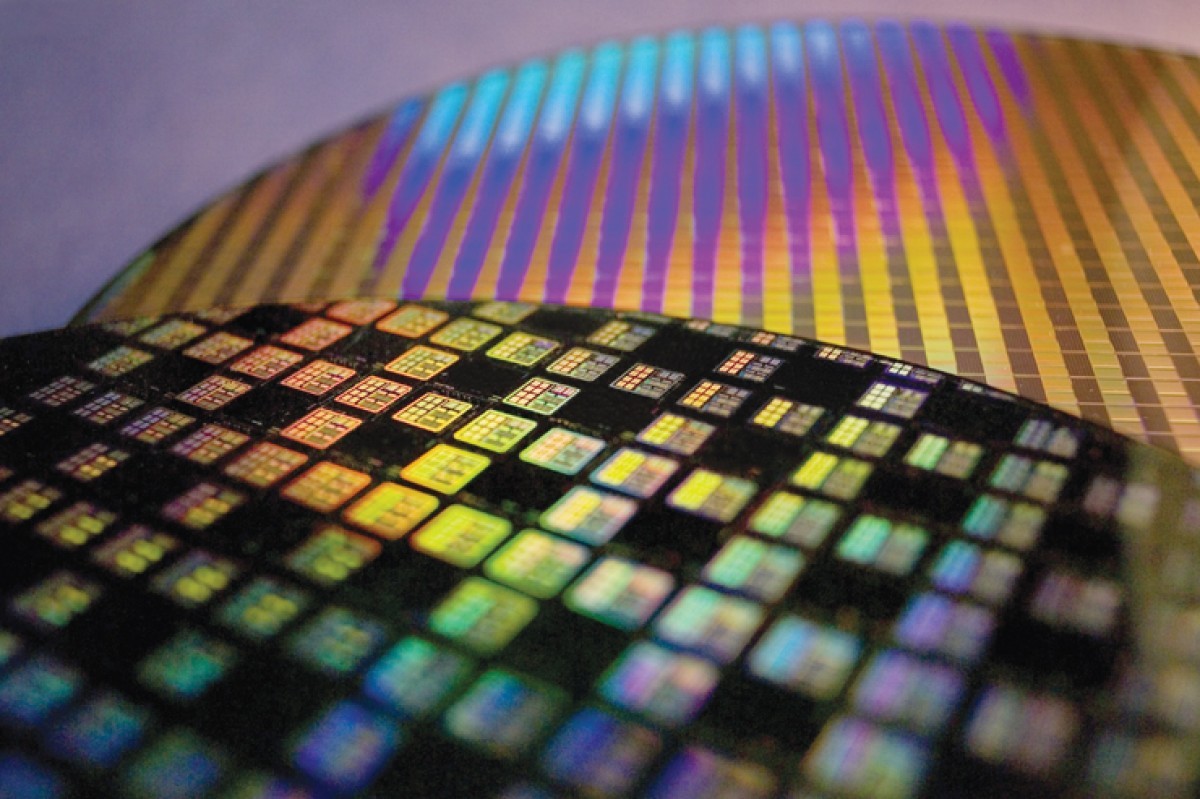
The report claims that the Apple A20 chip for the iPhone 18 could cost as much as $280 per unit, representing an 80% increase over the current A19 chip found in the iPhone 17 series. Although specific prices for Qualcomm's Snapdragon 8 Elite Gen 6 and MediaTek's Dimensity 9600 have not been disclosed, both chips are expected to experience similar price increases compared to their predecessors.
Multiple factors are contributing to the rising costs of chipsets. The ongoing memory chip crisis has led to higher RAM prices, and similar price hikes are affecting other critical components, including processors.
 TSMC's 2nm production facilities in Hsinchu and Kaohsiung, Taiwan
Furthermore, TSMC is reportedly experiencing low yields for its first-generation nanosheet packaging process, which utilizes Gate-all-around (GAA) transistors. Although this new process offers improved transistor density and better power efficiency, it complicates large-scale manufacturing. This challenge is one of the primary reasons why 2nm chips like the A20 are expected to be considerably more expensive than their predecessors, ultimately leading to significant price increases for upcoming flagship smartphones.
Source (in Chinese)