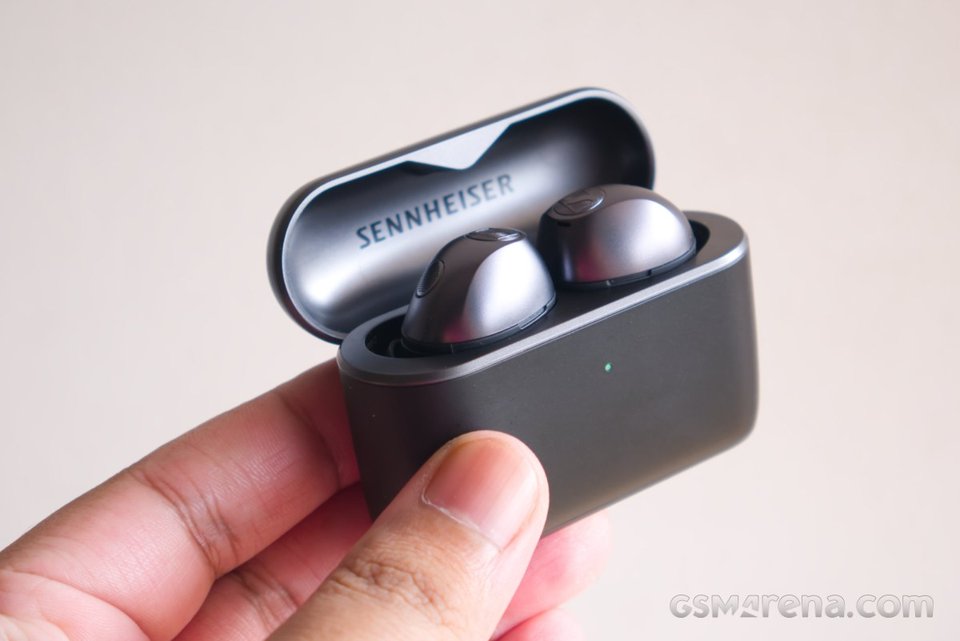
The Sennheiser Momentum True Wireless 5 are the company’s newest flagship true wireless earbuds, and they bring one of the most noticeable generational shifts in the line yet. Sennheiser has reworked the case, shrunk the earbuds, refreshed the acoustic tuning, improved comfort, and made a rare move by adding user-replaceable batteries to both the buds and the charging case.
Set at a $300 price, they enter a premium market where rivals such as the Apple AirPods Pro 3 and Sony WF-1000XM6 are hard to shake off. That makes the Momentum True Wireless 5’s case for itself less about being the best at any single category and more about delivering a well-rounded package with long-term serviceability built in.
Design
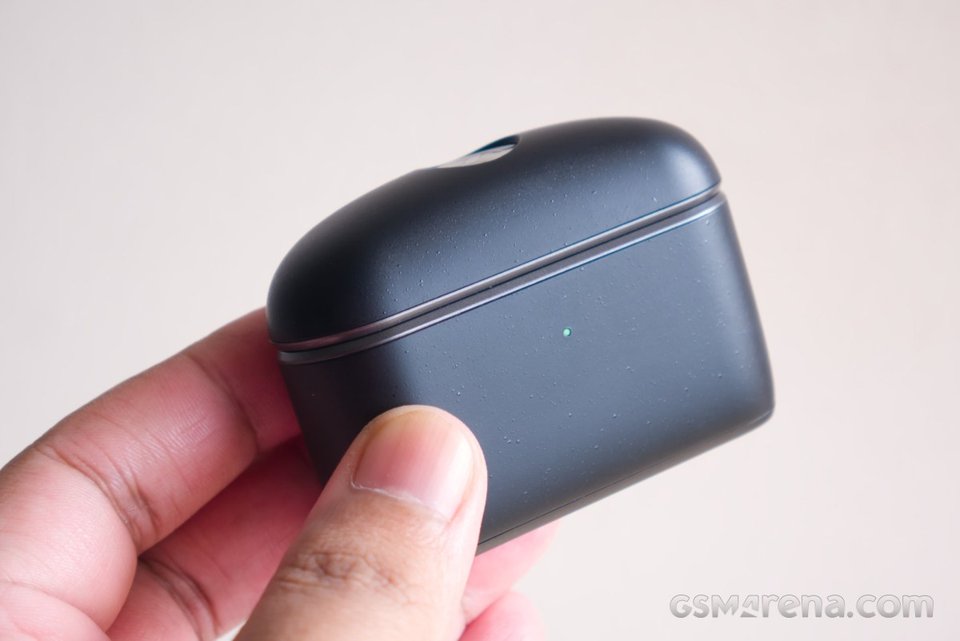
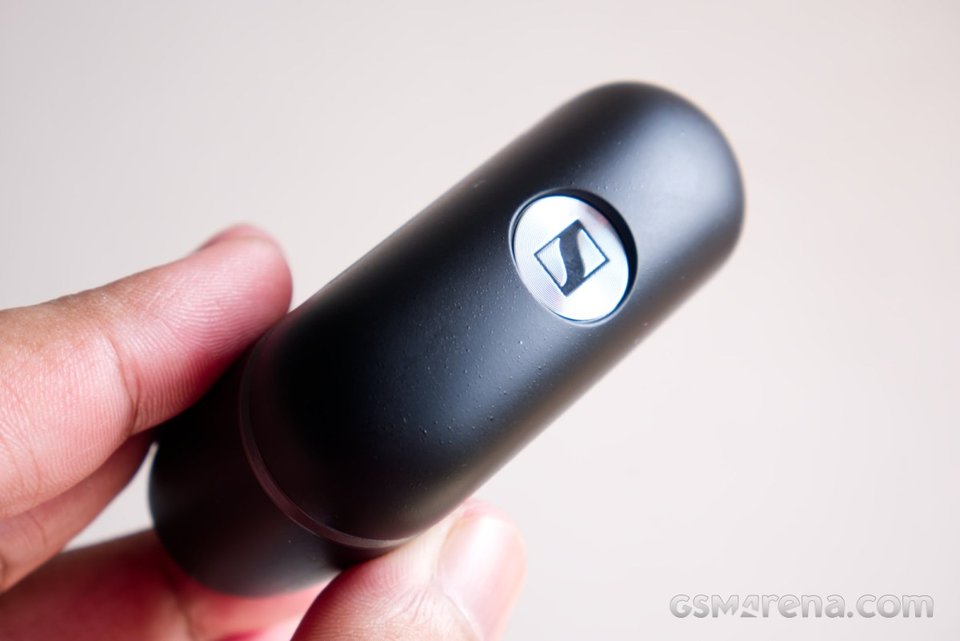
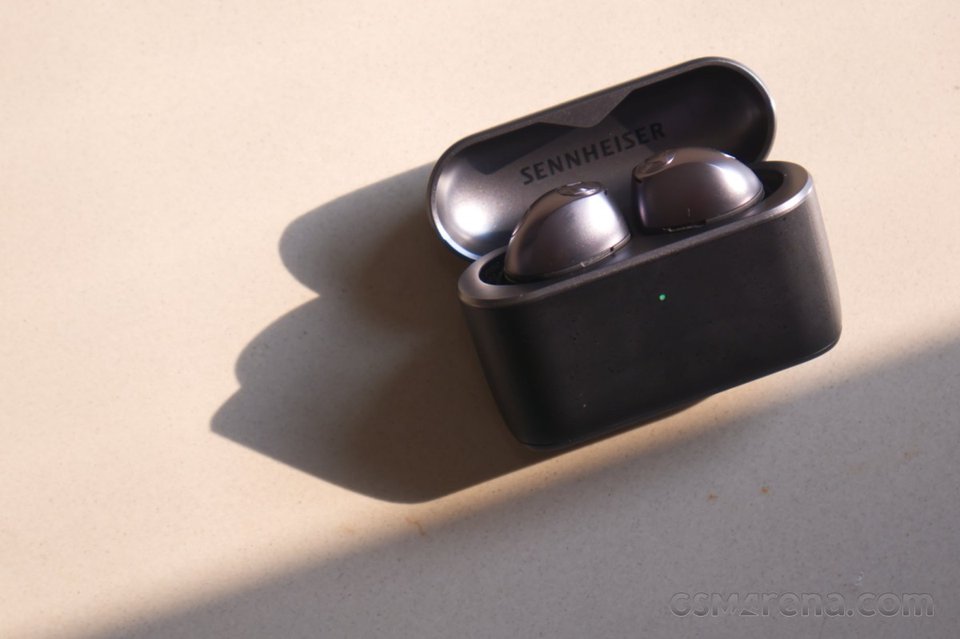
The first change you’ll notice is the case. Compared with the larger, fabric-covered box from the previous generation, the new case is taller, narrower, and easier to slip into a pocket. The fabric has been swapped for a matte, speckled plastic that is less stain-prone, though it picks up fingerprints and lacks the tactile premium feel of the older material.
The earbuds have also been slimmed down dramatically. The old squared-off shape with prominent fins is gone, replaced by a compact, jellybean-style design that feels less aggressive in the ear. Along with the case, this service-friendly construction is one of the standout ideas behind the update.
That serviceability means both the buds and the case can be opened with basic tools, a point worth revisiting in the battery section below.

The Momentum True Wireless 5 arrive in five color options: Graphite, Cream, Copper, Denim, and Lavender. The buds themselves feel well built and carry an IP54 rating for dust and water resistance. The case, though, does not share that protection and showed a little creaking, particularly around the hinge.
Comfort is a clear step forward. The new design does not sit as deeply as the previous generation, creating a shallower fit that is easier to wear for longer sessions. Some users may prefer stemmed buds because they are easier to grab and less likely to be dropped, but for those who prefer a compact, stemless profile, these are much more approachable.
Software and features
The earbuds are managed through Sennheiser’s Smart Control Plus app, which is one of the more fleshed-out experiences in the category. The interface is clean, and there is a great deal of customization available for both sound and feature behavior.
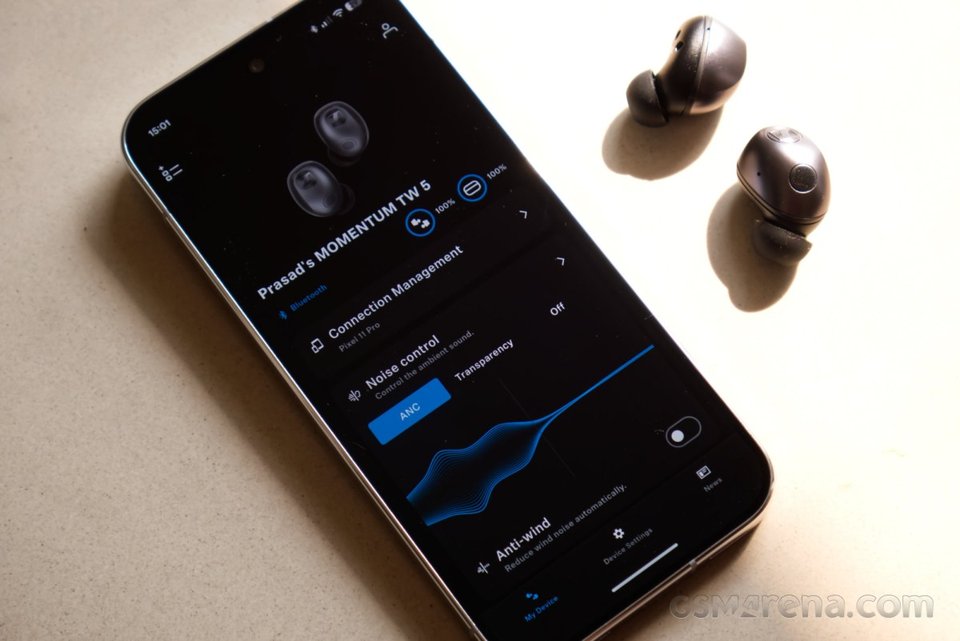
You can adjust ANC intensity, fine-tune transparency mode, let your own voice come through during calls, and even turn off the anti-wind processing. On the audio side, the app includes an 8-band EQ, multiple presets, Sennheiser’s Sound Personalization tool for shaping how different instruments sit in the mix, and a new Dolby Atmos option with head tracking.
That Dolby Atmos feature can spatialize ordinary stereo content, which is a nice bonus. The catch is that it will not activate while the Hi-Res audio toggle is enabled, even if you are not actually streaming a hi-res file at the time.
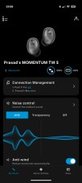





Sennheiser Smart Control Plus app
Sennheiser also allows you to manage codec behavior, including bit-rate and sampling-rate choices if you want to favor connection stability over maximum quality. A useful touch is that the app shows the exact codec and sample rate in use, a detail that more competitors should expose.
Rounding out the app are the expected controls for gestures, find-my-headphones, fit testing, and a battery protection mode that limits charging to 100% to help preserve long-term cell health.


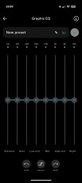



Audio settings
Even so, the software side is not as tight as it should be for a flagship. ANC can occasionally engage unevenly between the two earbuds. Transparency mode sometimes starts extremely loud before settling. The automatic level adjustment can feel unsettled at times, and there is still no way to activate transparency mode when only one earbud is in your ear. Sennheiser apparently requires both buds to be detected before that feature works.
I also heard occasional popping when ANC was active, especially while moving, and in a few cases the audio glitched with odd slowed-down playback until the buds were rebooted. These are not deal-breakers, but they are the kind of polish issues that stand out at this price.



Controls
Pairing is another area where Sennheiser holds back a little. There is still no dedicated button on the case, so you have to take the earbuds out and hold the touch surfaces to enter pairing mode. Multipoint pairing is supported and can be managed in the app.
On the codec front, the Momentum True Wireless 5 support SBC, AAC, aptX up to 16-bit/48kHz, aptX Adaptive up to 24-bit/96kHz, and aptX Lossless at 16-bit/44.1kHz. In practice, there is no true aptX HD fallback on many non-Qualcomm Android devices, so phones such as the Pixel line may top out at standard aptX. Lossless support remains limited to a small pool of compatible devices.



Other settings
All of that codec detail matters less than it used to. In everyday listening, the audible differences are usually subtle, and the earbuds still sound good regardless of which supported codec is active.
Performance
Audio quality
The Momentum True Wireless 5 use Sennheiser’s 7mm TrueResponse dynamic drivers, the same transducer family the company has used across a wide range of its audio products. That pedigree shows in a sound that is clean, detailed, and generally easy to live with.
The overall tuning leans neutral, but it is not perfectly neutral. The bass region is broadened with a spread-out lift rather than a narrowly targeted boost, and some of that energy bleeds into the lower mids. The mid-mids stay fairly even, while the upper mids dip and that dip continues into the lower and mid treble. The upper treble, however, is quite prominent.
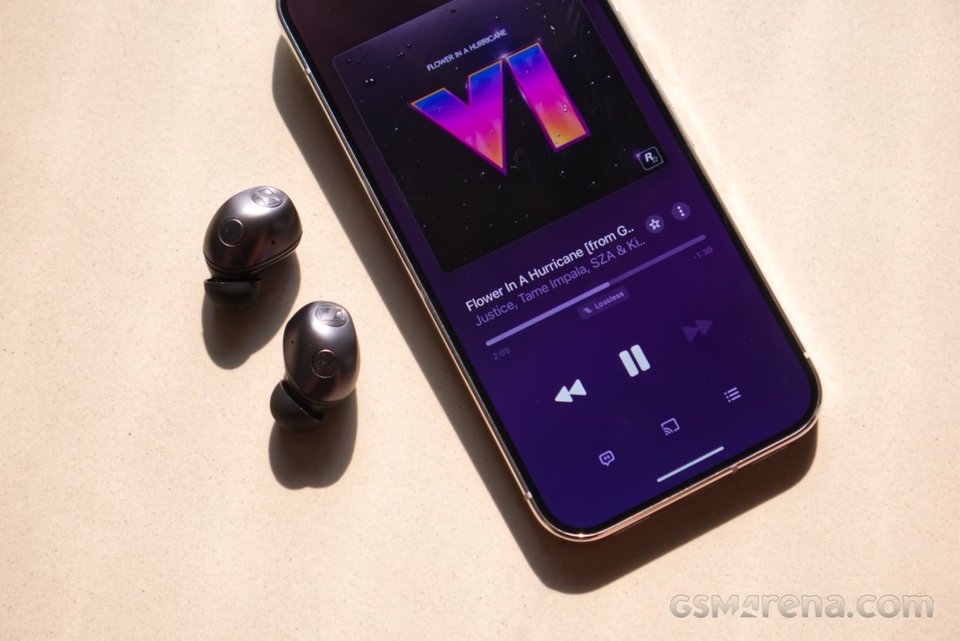
The result is a sound signature that feels warm without becoming bass-heavy, with a bright edge in the highs that makes “s” and “t” consonants stand out. The drawback is that the lower-treble recess can make some vocals and instruments sound a touch quieter, lending the presentation a slight veil and tempting you to raise the volume a bit for clarity.
Even with those quirks, the tuning still feels balanced, especially compared with many rivals. That treble dip, though, is the first thing I would reach for with an EQ.

The sound also changes when ANC is switched on or off. With ANC disabled, the mids feel fuller and the vocals sound more natural. With ANC enabled, the lower mids recede noticeably, which can thin out vocals a little and bring out more upper-treble sizzle. That makes it worth deciding whether your preferred sound target is with ANC on or off before you settle on an EQ.
Beyond tuning, the buds offer reasonable detail, solid imaging, and a useful amount of soundstage. The Dolby Atmos mode is one of the better spatial-audio implementations for ordinary stereo sources: it is subtle, but it does expand the space and make the presentation feel more open. It is a shame the feature is limited to SBC, AAC, or standard aptX. And if you are already playing true Spatial Audio, such as Apple Music on an iOS device, the app’s Atmos toggle effectively does nothing because the format is handled automatically.
Microphone
Call quality is good in calm conditions. In a quiet room, my voice sounded clear and natural, second only to the best recent AirPods implementations I tested. The difference becomes much less favorable in noisy settings.

In busy environments, the buds lean heavily toward suppressing background noise, and they do a good job making that noise nearly disappear. The trade-off is that the voice itself can sound slightly compressed and occasionally suffers brief dropouts. It is still generally intelligible, but I would prefer a tuning that sacrifices a little background rejection in order to preserve a more natural voice.
Noise cancellation and transparency
Noise cancellation is strong, though not quite at the very top of the class. It is not as instant or refined as the AirPods Pro 3, likely because of less aggressive processing, but once it settles in, it does a solid job across a broad range of ambient noise.
In side-by-side listening, the AirPods Pro 3 still had the edge. When both pairs were in my ears, I could clearly hear more ambient noise through the Sennheiser buds. Still, the gap is narrower than expected, especially given the shallower fit of the Momentum True Wireless 5, which I found more comfortable over time.
Transparency mode is the weaker of the two. The adjustable level is a nice idea, and auto-switching during calls is useful, but the mode seems to amplify random environmental sounds more effectively than speech. Voices around me were harder to catch, and even my own voice did not come through as naturally as on competing sets. A voice-priority mode or a software retune would go a long way.
Battery life and charging
Sennheiser advertises 12 hours of playback on a single charge, but that figure is with ANC turned off. With ANC or transparency enabled, the official estimate drops to 6 hours. In our testing, we used ANC throughout and recorded 6 hours and 23 minutes, which is respectable for a flagship at this price.
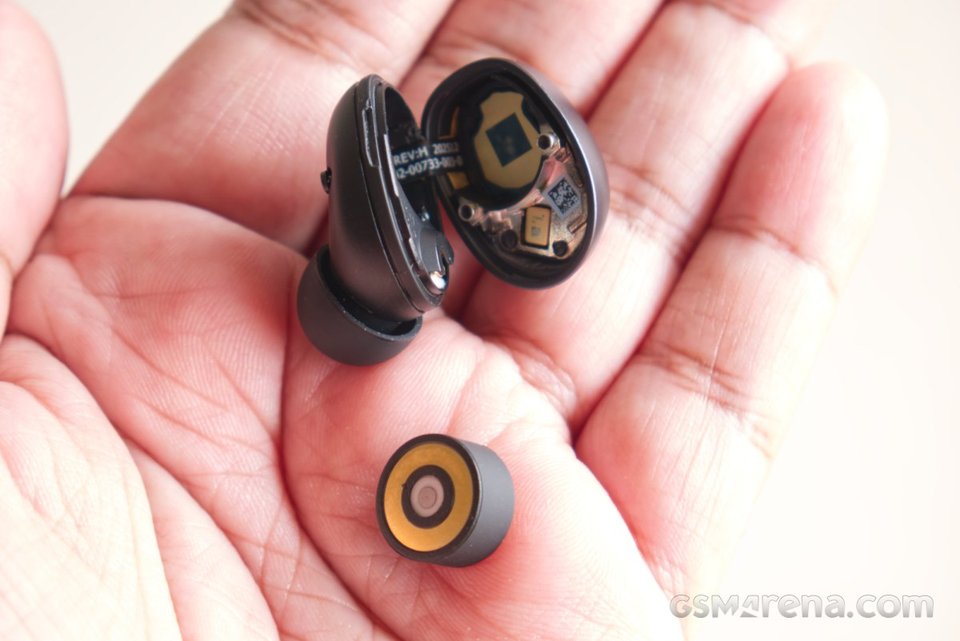
The bigger story is the replaceable batteries. In the earbuds, you loosen the two screws with a PH000 screwdriver, use the included spudger to ease the shell open, and pop the battery out. The case is even simpler: remove the single screw on the bottom and the lid slides away.
A few practical notes matter if you plan to service the buds. The earbud screws are captive, which is helpful because they are not easy to lose, while the case screw is not. The earbud halves are connected by a ribbon cable, so you do not want to fully separate them; you only need to pry them open enough to remove the cell. Both the earbud and case batteries can be inserted the wrong way, so it is smart to note the original orientation before removing them. Finally, the plastic around the prying grooves is a little soft, so you may leave light marks that make the buds look less factory-fresh after opening. That is more cosmetic than functional, though it may make you hesitate before opening the pair.
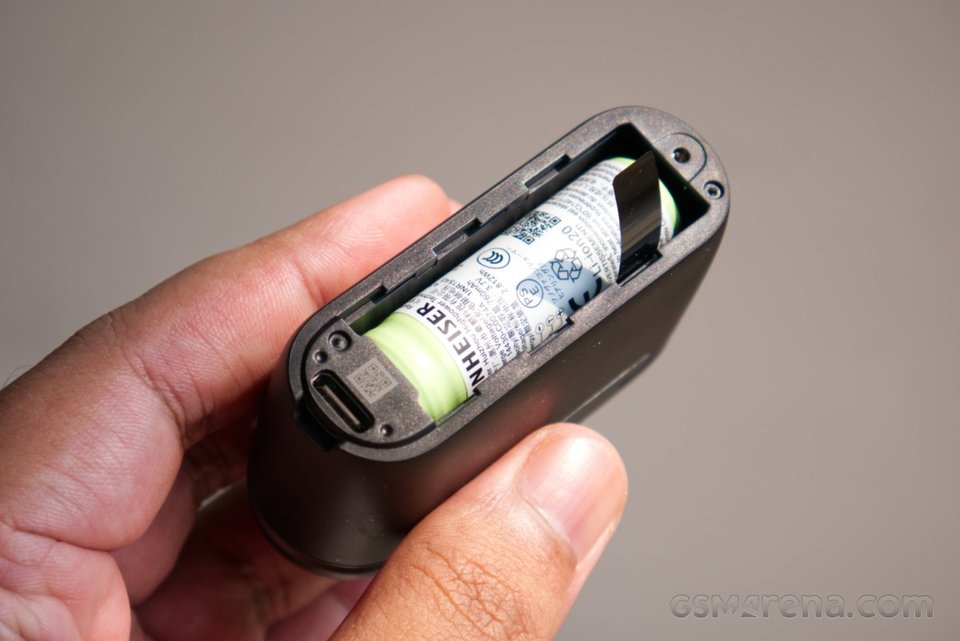
Even with those caveats, replaceable batteries are a major advantage. Wireless earbuds are notorious for capacity fade, and being able to swap in fresh cells is one of the clearest arguments for buying a pair that you can keep using for years instead of replacing on a short cycle.

The catch is that the cells are proprietary: BA 501 for the earbuds and BA 502 for the case. Long-term usability therefore depends on Sennheiser continuing to sell them, and public availability information is still vague beyond the EU and “further selected countries.” If Sennheiser commits to a clear replacement-parts program, this becomes a genuine long-life advantage. If not, the concept loses some of its appeal.
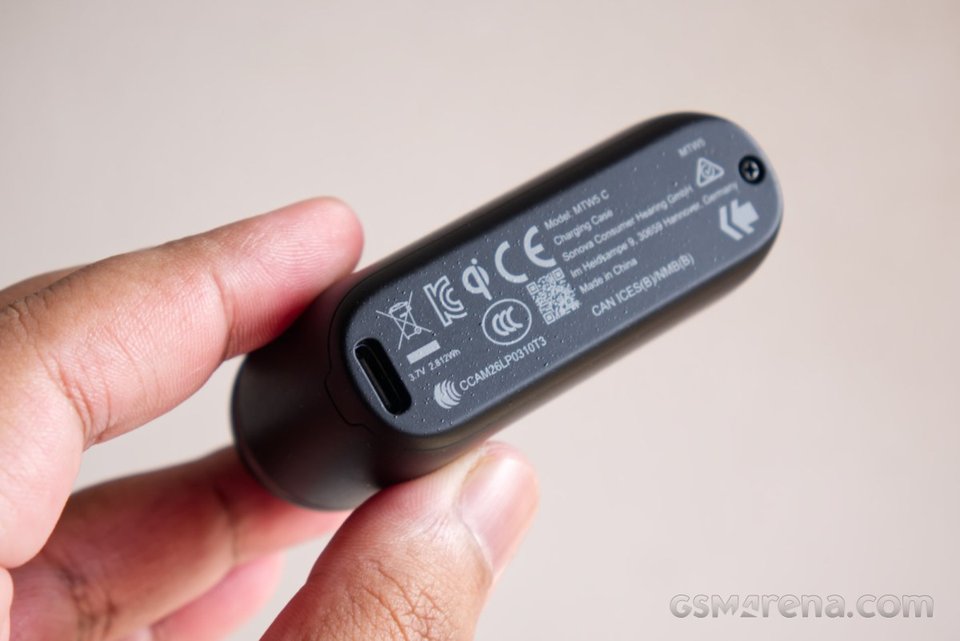
On the charging side, the Momentum True Wireless 5 support both wired and wireless charging, which keeps top-ups convenient.
Conclusion
The Sennheiser Momentum True Wireless 5 are a substantial step forward for the line. They combine a more comfortable fit, strong but not class-leading noise cancellation, a neutral-leaning sound signature with useful tuning options, and a genuinely interesting repairability story that sets them apart from most direct rivals.
Their weaknesses are equally clear. The software needs more stability, the microphone struggles in noisy environments, and the transparency mode could be smarter about separating voices from ambient noise. At $300, the pair are not a no-brainer against the best of the competition, but the user-replaceable batteries and all-round competence make them a compelling option for buyers who want a premium set with a longer potential lifespan.
For a closer look at how the design has changed, compare the new Momentum True Wireless 5 with the previous generation in the photo gallery.