The landscape of electric vehicle (EV) adoption is undergoing a significant transformation, as various regions around the globe develop distinct trajectories reflective of their unique markets, regulatory environments, and consumer preferences. As we analyze the latest EV sales data from August 2026, it becomes clear that the once-unified pathway toward electrification has now diverged into three separate and dynamic realities—Europe, North America, and China—each with its own challenges and opportunities.

August 2026 saw impressive global EV sales of 1.83 million plug-in vehicles, marking a 2% increase from the previous year. However, the total registered vehicles year-to-date stands at 13.4 million, showing a modest growth of 4%. Instead of maintaining a singular focus on mass adoption, the global EV market is now split into three distinct geopolitical realities, each navigating its unique set of circumstances.
First, let’s explore the Old World. Traditionally, Europe’s automotive industry ebbs during August, but this year tells a different story. EV registrations surged by 36% year-on-year to reach 380,000 units, bringing total year-to-date growth to 29%. This unexpected boom is largely fueled by governmental incentives; Spain’s newly launched "Auto+" program, which provides substantial subsidies, has led to a noticeable increase in EV uptake—evident in the rise of Spanish EV penetration from 18% in 2025 to 20% year-to-date.

Contrasting the European experience, North America is witnessing a stark decline in EV sales. August recorded a 33% drop in electric car sales, totaling just 140,000 units—this marks the largest year-on-year decline seen this year. The U.S. market is currently grappling with the ramifications of a buying frenzy from the previous year when buyers rushed to take advantage of federal tax incentives before their expiration. With incentives now withdrawn, consumers are cautious and are gravitating back to petrol-electric hybrids, leaving dealers in a state of uncertainty.

Meanwhile, Canada faces its own challenges, as the first window for lower-tariff imports of Chinese electric vehicles has closed, resulting in unused import permits due to a slow response from established automakers. Despite the emerging interest, Canada’s cautious approach highlights the ongoing administrative bottlenecks that complicate the new market landscape.
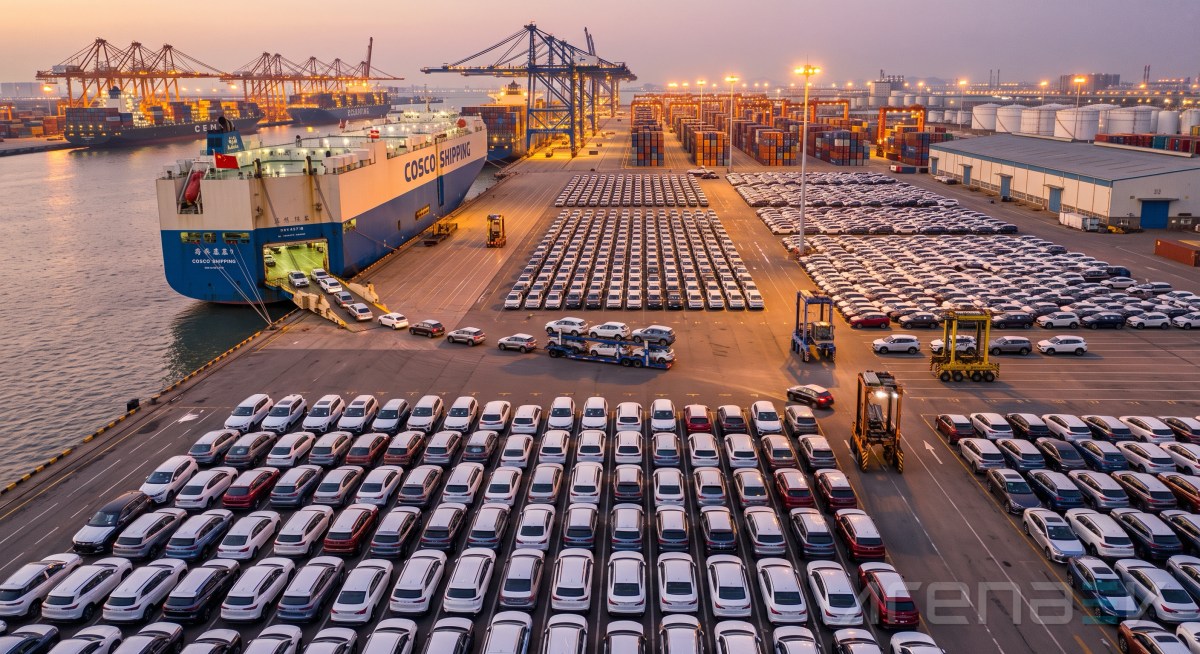
On the other side of the world, China continues to dominate the EV market, albeit with some complexities. Although domestic sales fell by 11% year-on-year, market penetration remains high at over 60%. The dip in sales is attributed to market saturation and intensifying competition rather than a decline in demand. To cope with local challenges, Chinese manufacturers are turning their attention to exports, leading to a staggering 150% increase in international New Energy Vehicle shipments in August.
What’s particularly striking is the "Rest of the World" segment, which includes growing markets in Southeast Asia, Latin America, and parts of the Middle East, where electric vehicle deliveries soared by an astounding 97% year-on-year. These regions, unencumbered by traditional automotive loyalties, are eager for affordable, reliable transportation—an opportunity that Chinese manufacturers are capitalizing on.
In conclusion, the dynamics of global EV adoption are rapidly reshaping the automotive landscape. The era of a one-size-fits-all approach is fading; instead, market success will increasingly hinge on tailored strategies that reflect regional politics and fiscal policies. Understanding the nuances of these emerging markets will be crucial for manufacturers looking to thrive in a fragmented EV world.
Source: Benchmark Minerals


