The Shift to Electric: Advantages of Dedicated EV Platforms
As the automotive industry undergoes a significant transformation towards electrification, manufacturers are faced with a critical decision: should they adapt their existing internal combustion engine (ICE) platforms or develop new, dedicated electric vehicle (EV) platforms from scratch? This article explores the benefits and challenges of both approaches and highlights why dedicated EV platforms may be the optimal choice for future vehicle design.
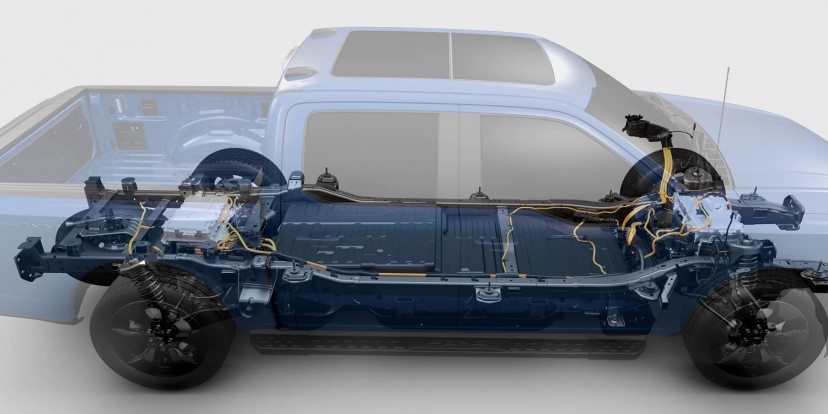
A "car platform" serves as the foundation upon which a vehicle is built. It dictates vital aspects such as rigidity, suspension design, interior space, and various engineering choices including motor and transmission configurations. Automakers transitioning from ICE to electric face a dilemma: modify existing platforms for electrification or start anew with dedicated EV designs.
There is no industry consensus on the best approach. Some companies opt to adapt their ICE platforms for electric drivetrains, while others create entirely new EV platforms, and some take a hybrid strategy. Here, we will analyze the benefits of each method.
Modified ICE Platforms
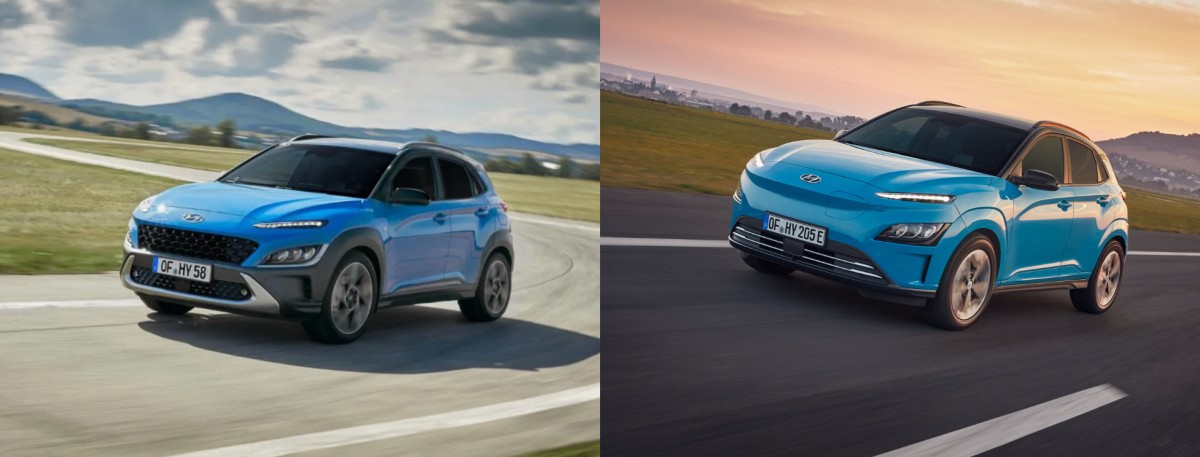
Many ICE platforms are designed with future adaptability in mind. For example, Volkswagen's MQB platform is engineered to accommodate various propulsion systems, including electric. This flexibility allows for efficient production development, though it typically prioritizes ICE vehicles, which can hinder an EV's design.
Platforms like BMW's CLAR and FAAR support ICE vehicles but can also be utilized for EVs. Most traditional ICE vehicles use a front-wheel-drive layout. Consequently, when transitioning to electric, modifications to accommodate batteries can complicate their design, often resulting in less optimal space usage and torque handling.
Dedicated EV Platforms
While dedicated EV platforms require substantial research and development investment and may lead to higher costs and delays in market release, they present critical advantages for long-term efficacy.
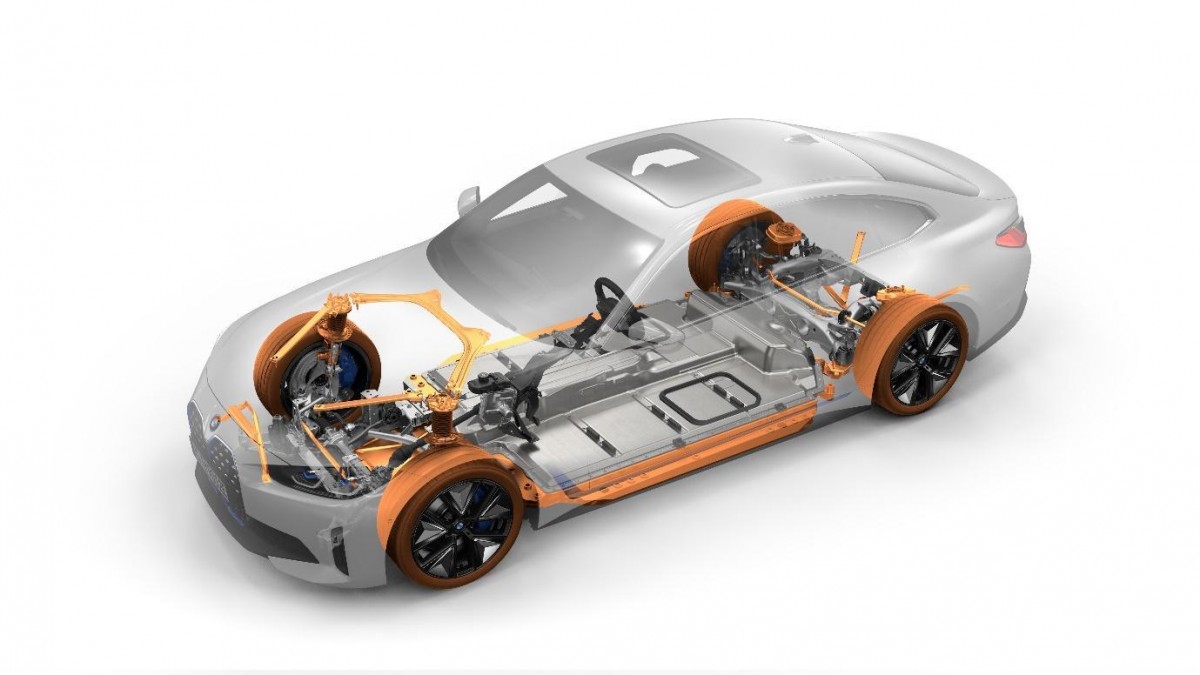
From a physics standpoint, electric motors provide instantaneous torque, and to maximize this potential, electric drivetrains often leverage a rear-wheel-drive arrangement, enhancing traction and improving handling. For instance, the Renault Megane E-Tech and Nissan Ariya employ a front-wheel-drive system on their dedicated CMF-EV platform, prioritizing weight and space considerations.
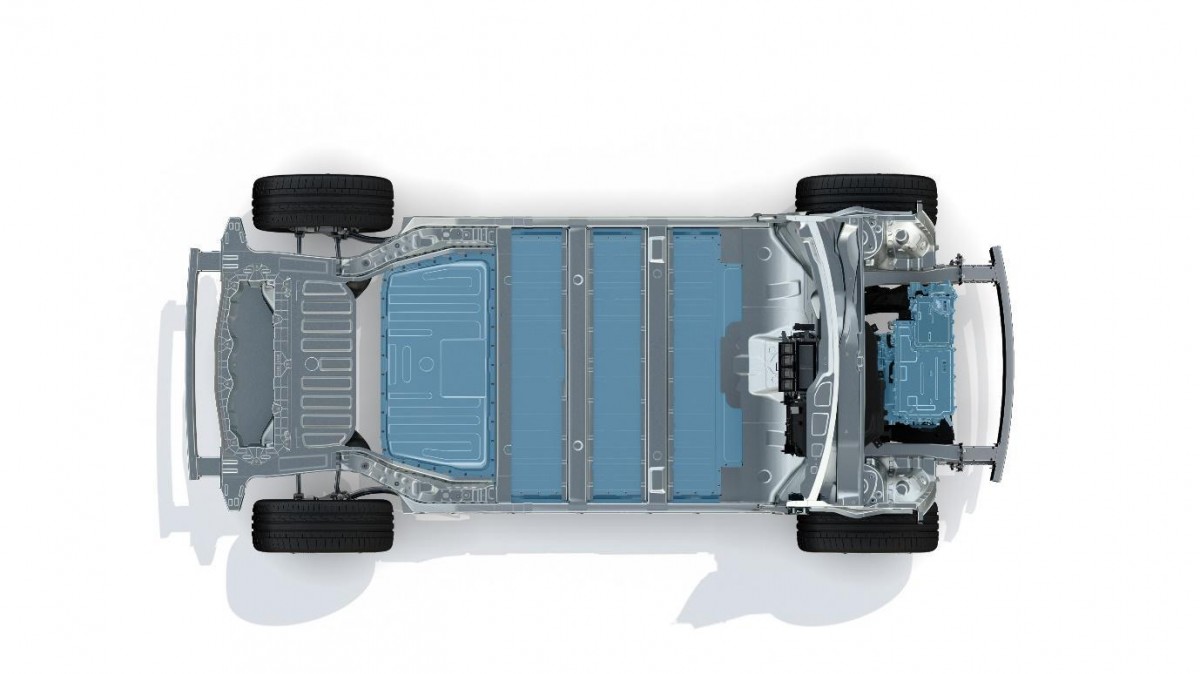
Dedicated EV platforms facilitate a simplified battery layout, often resembling a "skateboard" design that allows for various battery capacities. However, while they allow for innovative designs, they may impose restrictions on rear suspension configurations.

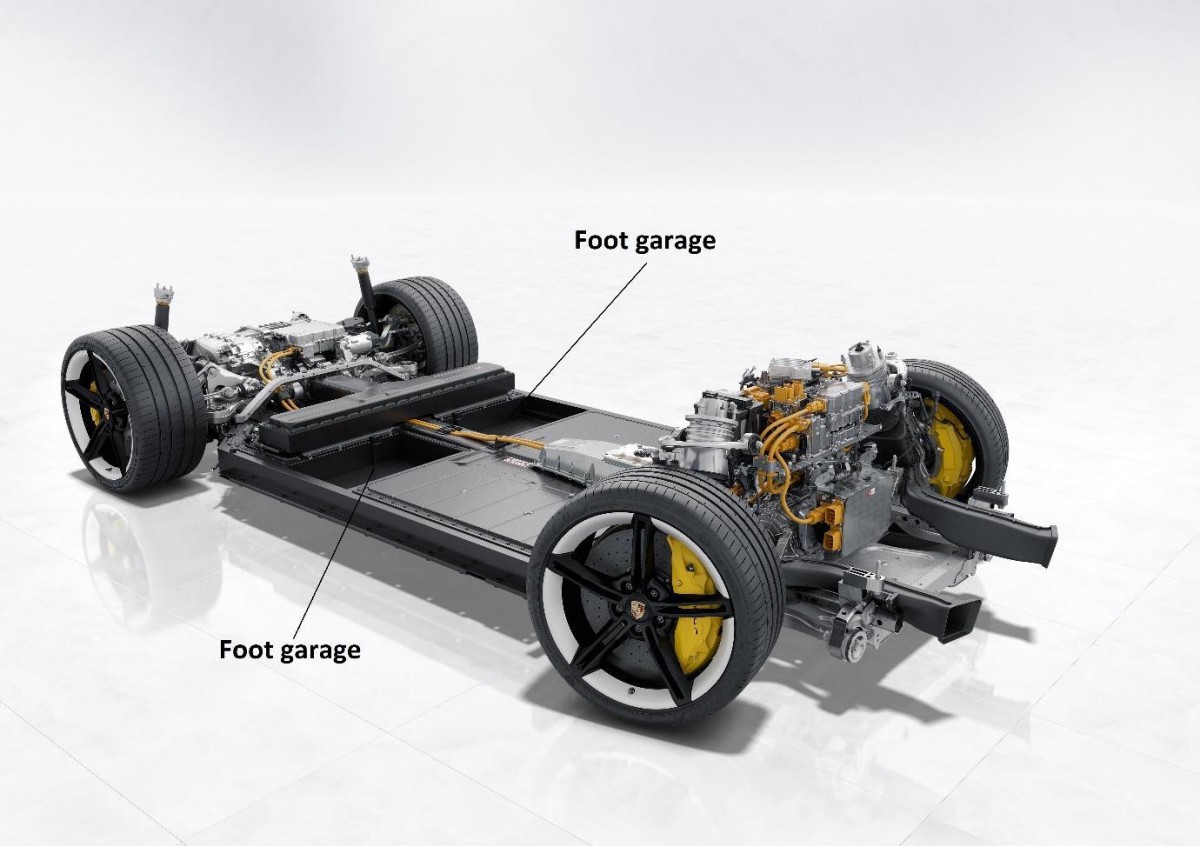
From a spatial perspective, these platforms enable a flat floor across the vehicle and can facilitate an extended wheelbase, enhancing interior room for passengers. Lowering the car's stance is a challenge for many dedicated EVs—manufacturers like Porsche and Audi have introduced concepts like the "foot garage" in their Taycan and E-Tron GT to optimize space for rear passengers.
Final Thoughts
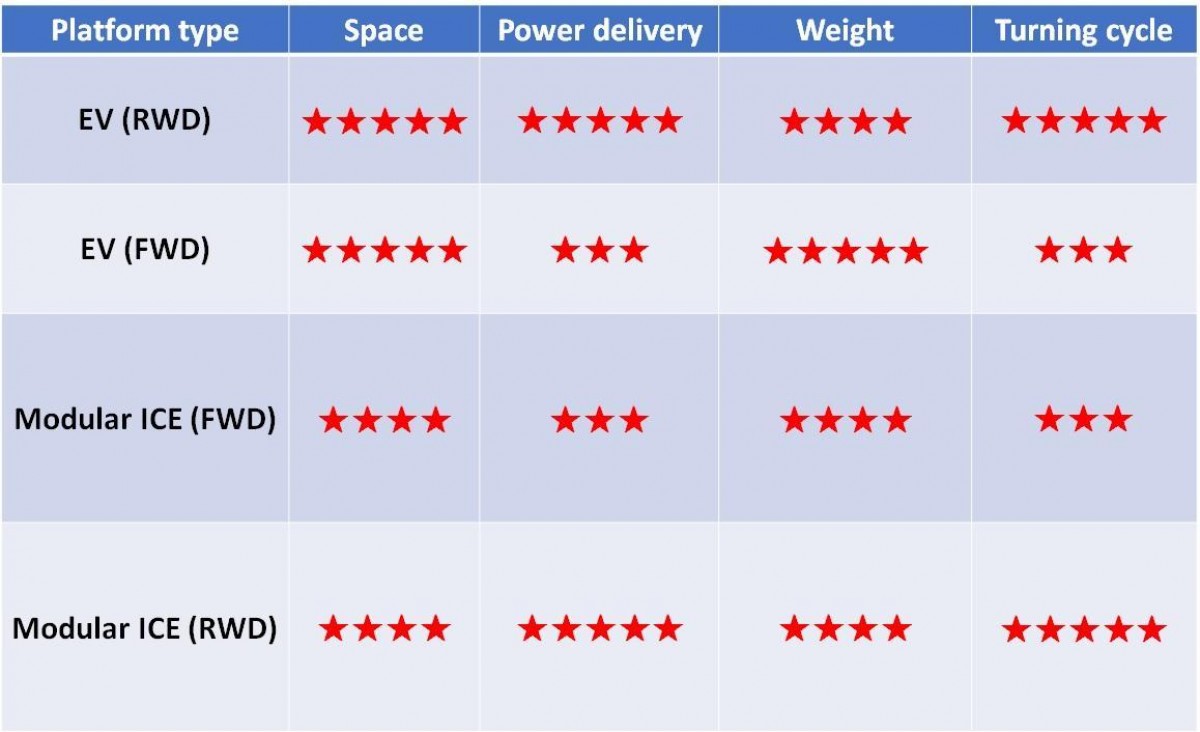
In summary, dedicated EV platforms offer distinct benefits over traditional ICE-derived platforms. They provide greater design freedom, optimal space utilization, and improved handling characteristics. While there are several approaches to EV platforms – the dedicated EV platform, modified ICE platform for rear-wheel drive, and adaptations of front-wheel drive ICE platforms – each has its unique strengths and weaknesses. The following table provides a quick comparison of the various platform categories in the evolving EV landscape.