Introduction
As electric vehicles (EVs) continue to gain traction in the automotive market, understanding the technology behind them is essential. Electric motors are at the heart of these vehicles, powering their performance and efficiency. While internal combustion engines have a wide array of designs and technologies, electric motors can primarily be categorized into three main types. This article provides a comprehensive overview of each motor type, highlighting their workings, benefits, and drawbacks.
Asynchronous Induction Motor: A Historical Insight
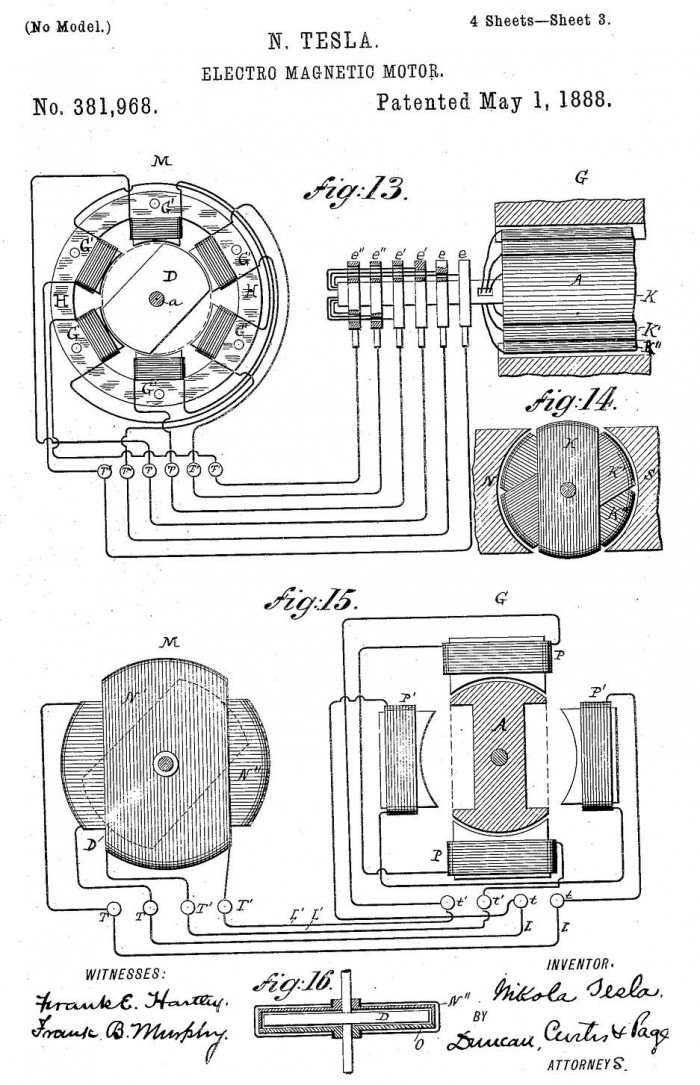
The asynchronous induction motor, a pivotal innovation in electric motor technology, was first developed by Nikola Tesla and Galileo Ferraris. Tesla filed for the patent of this innovative motor in 1888, although Ferraris created the prototype in 1885. This motor plays a crucial role in a broad range of applications, being prevalent in both consumer electronic devices and industrial machinery.
How Does an Asynchronous Induction Motor Operate?
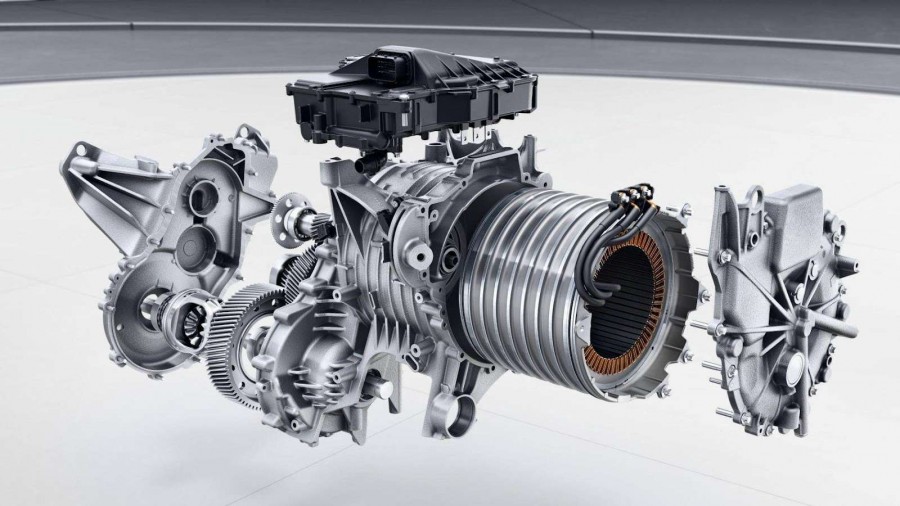
Every electric motor is composed of two main parts: the stator (stationary part) and the rotor (the rotating component). The stator, typically a steel cylinder with integrated copper coils, receives a three-phase alternating current (AC) converted from direct current (DC) sourced from the battery. This current generates a rotating magnetic field, leading to the induction of voltage in the rotor, ultimately resulting in its rotation. This motor is termed 'asynchronous' because the rotor's speed is not synchronized with the stator's rotating magnetic field, allowing for a slip of up to 5%.
Notably, these motors boast an efficiency of up to 90%, making them ideal for various automotive applications, particularly as the front motors in all-wheel-drive electric vehicles.
Pros
- High efficiency
- Cost-effective production
- No reliance on rare earth materials
- Reliable and durable
Cons
- Increased cooling requirements
- Lower power density
- Less efficient compared to other motor types
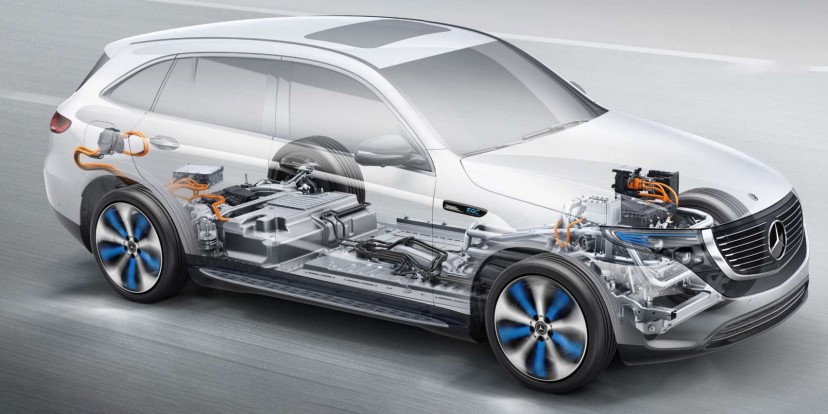
Popular vehicles utilizing asynchronous induction motors include the Audi e-Tron SUV, Mercedes-Benz EQC, and various models from Tesla.
Synchronous Permanent Magnet Motor
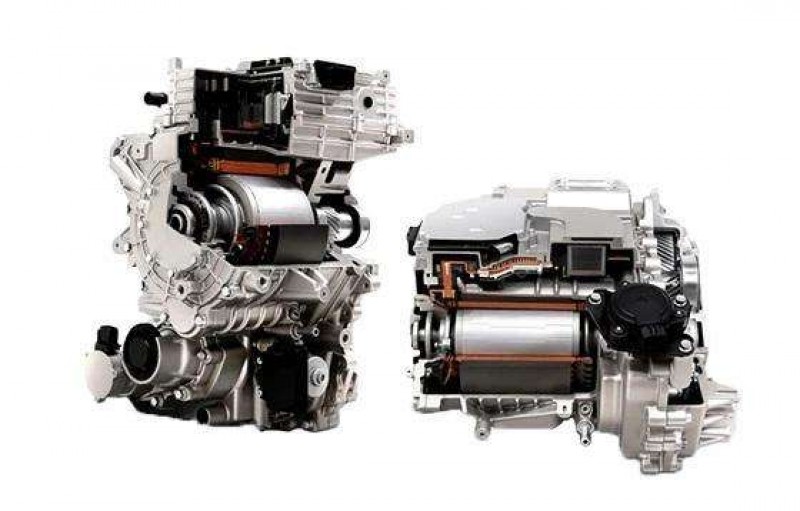
The synchronous permanent magnet motor distinguishes itself through its method of generating rotating magnetic fields. This type of motor utilizes permanent magnets located in the rotor, ensuring a tightly-coupled operation between the rotor and stator, eliminating slip. With permanent magnets enhancing power density, these motors typically excel in efficiency, achieving ratings of 94-95%.
Pros
- Exceptional efficiency
- Reduced cooling needs
- High power output in smaller sizes
Cons
- Higher production costs
- Dependence on rare earth materials
- Potential risk of demagnetization
Synchronous permanent magnet motors are employed in models such as the Hyundai Ioniq 5 and Tesla Model S.
Electrically Excited Synchronous Motor
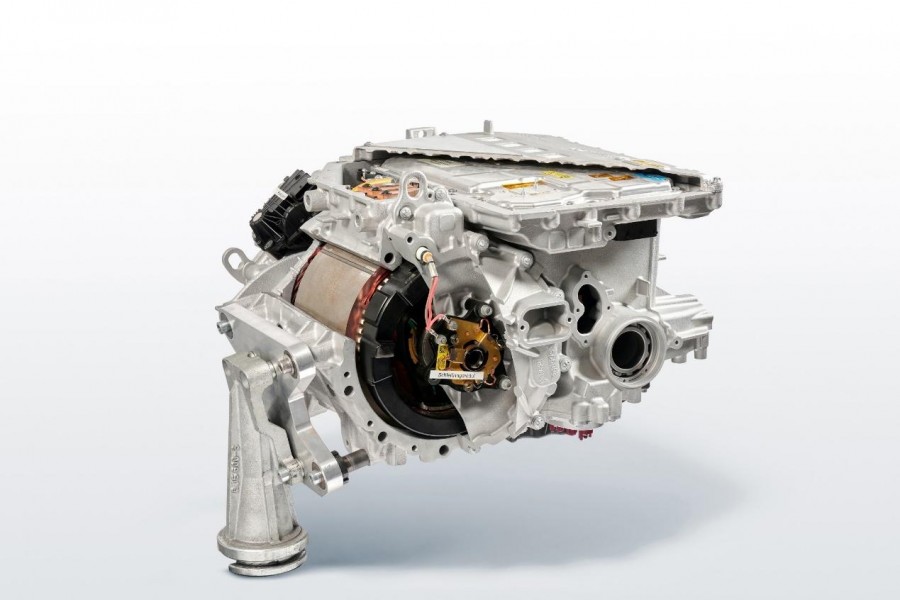
To address the drawbacks of rare earth dependency, manufacturers like BMW and Renault have introduced electrically excited synchronous motors. These innovative designs employ brushes and slip rings instead of permanent magnets, achieving efficiency ratings comparable to permanent magnet models, around 93%.
Pros
- High efficiency
- Lower production costs compared to permanent magnet motors
- No rare earth material requirement
Cons
- Reliability concerns regarding brushes
Models like the BMW iX3 and Renault Megane E-TECH utilize these motors.