Embracing Mirror Cameras in Modern Automotive Design: Benefits and Challenges
As automotive technology continues to evolve, mirror cameras have emerged as an innovative alternative to traditional side mirrors. These camera systems promise to enhance vehicle aerodynamics, improve visibility, and contribute to a sleek and modern aesthetic. However, as with any new technology, the transition from conventional mirrors to camera systems introduces a set of advantages and challenges that merit examination. In this article, we will explore the pros and cons of mirror cameras in contemporary automotive design.
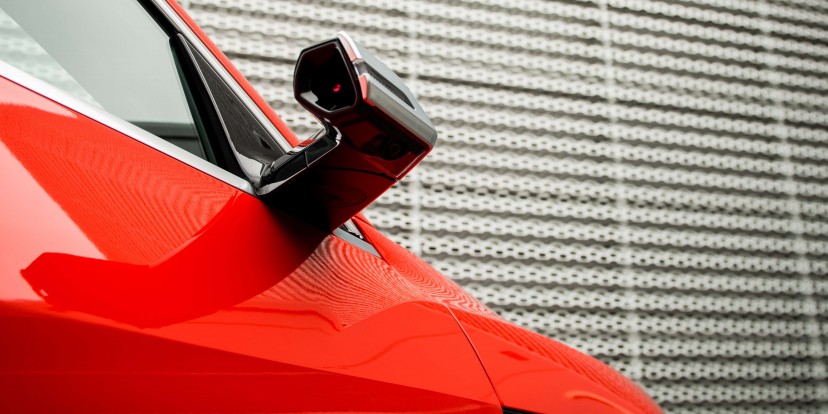
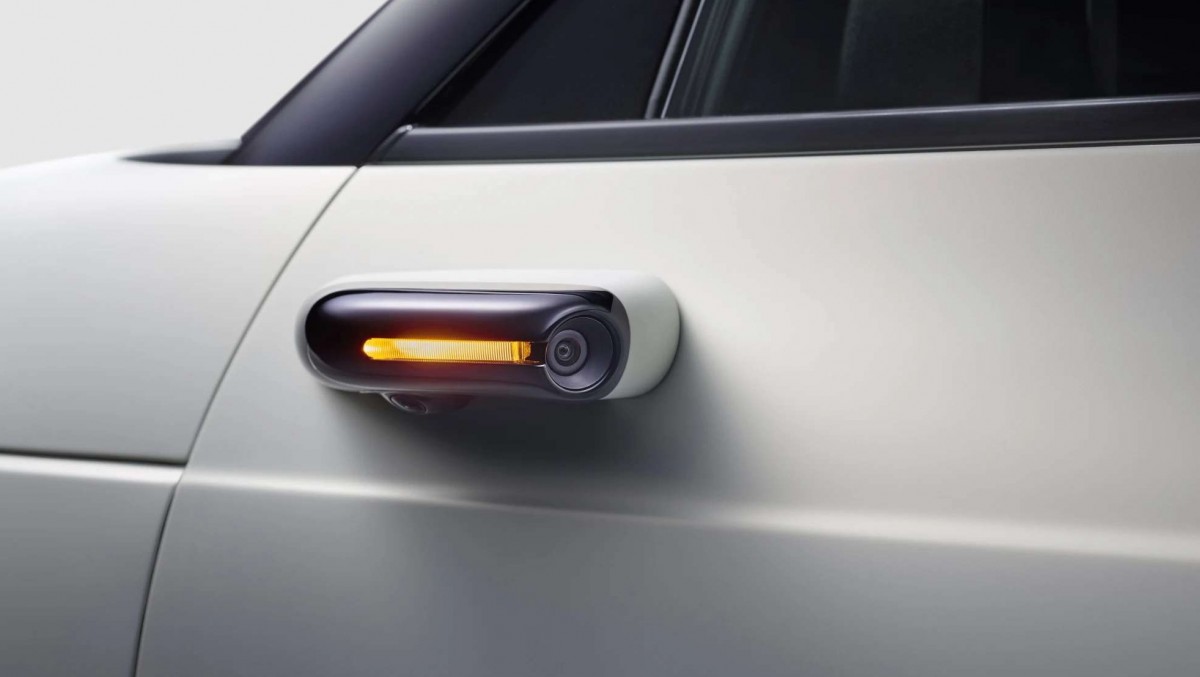
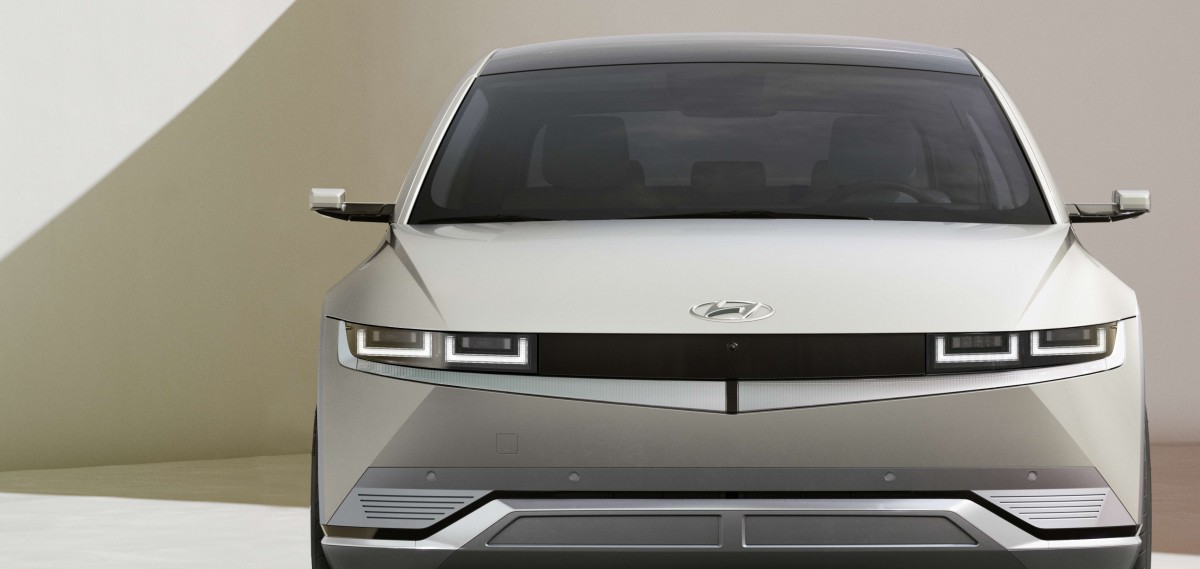
Replacing traditional side mirrors with cameras has become increasingly popular in modern car design. Pioneering concepts began emerging with designs like the Volkswagen XL1, but it was Audi who first made a significant move in this domain in 2019 by offering mirror cameras on the Audi e-tron. Honda followed suit, integrating mirror cameras into the standard equipment for all Honda E models. Today, more manufacturers, such as Hyundai with the Ioniq 5, are adopting this technology.
Despite their growing popularity, especially within the EV sector, mirror cameras have yet to become a common feature in the United States due to current legal restrictions. However, if regulations change, we may see a surge in camera-equipped vehicles, with supporters like Tesla leading the charge for their widespread adoption.
The Advantages of Mirror Cameras
One of the most notable benefits of mirror cameras is their contribution to aerodynamics, resulting in improved vehicle efficiency. Honda claims that the use of mirror cameras can enhance a vehicle's range by approximately 3.8% due to reduced wind resistance. Additionally, the wide-angle lenses of camera systems provide a broader field of view, effectively eliminating blind spots that plague traditional side mirrors.
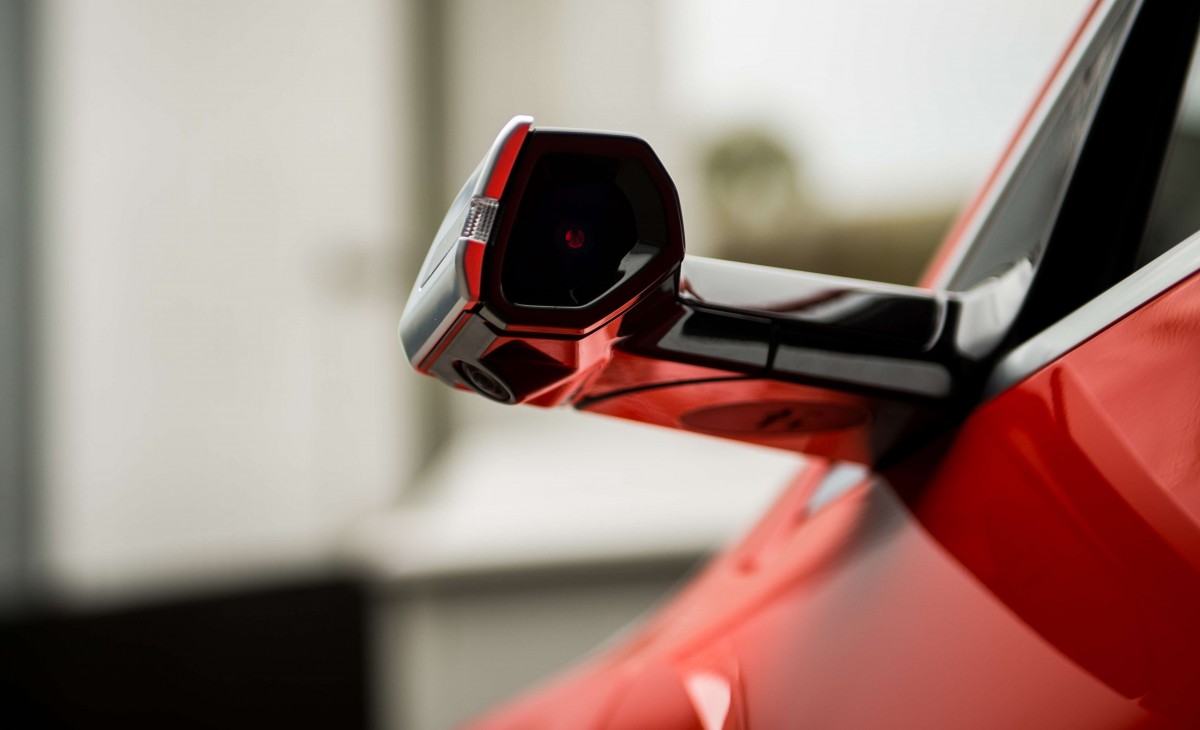
Furthermore, the technology behind mirror cameras allows for better visibility in low-light conditions, such as when driving through tunnels or during inclement weather. Adjustable settings for exposure and ISO levels enable these cameras to capture clearer images in challenging scenarios, enhancing overall safety.
From a design perspective, mirror cameras introduce a minimalist and futuristic aesthetic that aligns well with the trend of advanced vehicle design, appealing to car enthusiasts and manufacturers alike.
The Drawbacks of Mirror Cameras
However, mirror cameras are not without their challenges. The complexity of these systems often translates to higher costs for both installation and replacement compared to traditional mirrors. The functionality of camera systems can potentially falter, especially in poor lighting conditions, leading to blurry or grainy images, and effects like lens flare on bright days can complicate visibility.
Furthermore, the placement of display screens inside the vehicle can lead to distractions if their brightness isn’t adjustable for nighttime driving. This concern is particularly significant for drivers with compromised vision, as transitioning focus between the screen and the road can be difficult, especially for those with age-related vision issues like presbyopia.
The challenge lies in the fact that our eyes are accustomed to adapting to the focal distances presented by traditional mirrors, and the use of screens requiring different focus settings can confuse the visual system, making safe driving more complicated.
The Need for Choice
In summary, while mirror cameras bring numerous advantages to automotive design, they also present distinct drawbacks that may affect drivers differently. It is imperative that consumers retain the choice to utilize either mirror cameras or traditional mirrors, depending on their personal preferences and needs. Fortunately, many manufacturers recognize the importance of providing options. Advancement in technology should ultimately lead to enhanced driving experiences without compromising individual comfort and safety.