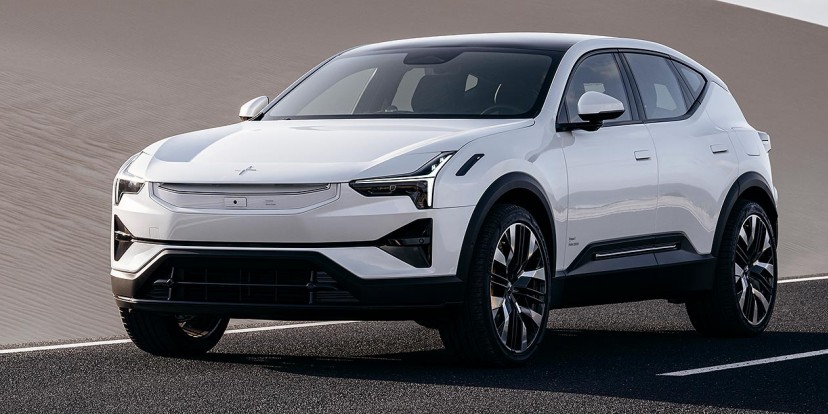
In an eye-opening test of electric vehicle winter performance, the Polestar 3 has outperformed the Tesla Model 3 LR RWD, securing extraordinary results under harsh Norwegian winter conditions. The latest findings from the Norwegian Automobile Federation (NAF) combined with Motor magazine’s El Prix EV range test unveiled that the Polestar 3 not only excelled but recorded the second-best winter range ever recorded in the series.
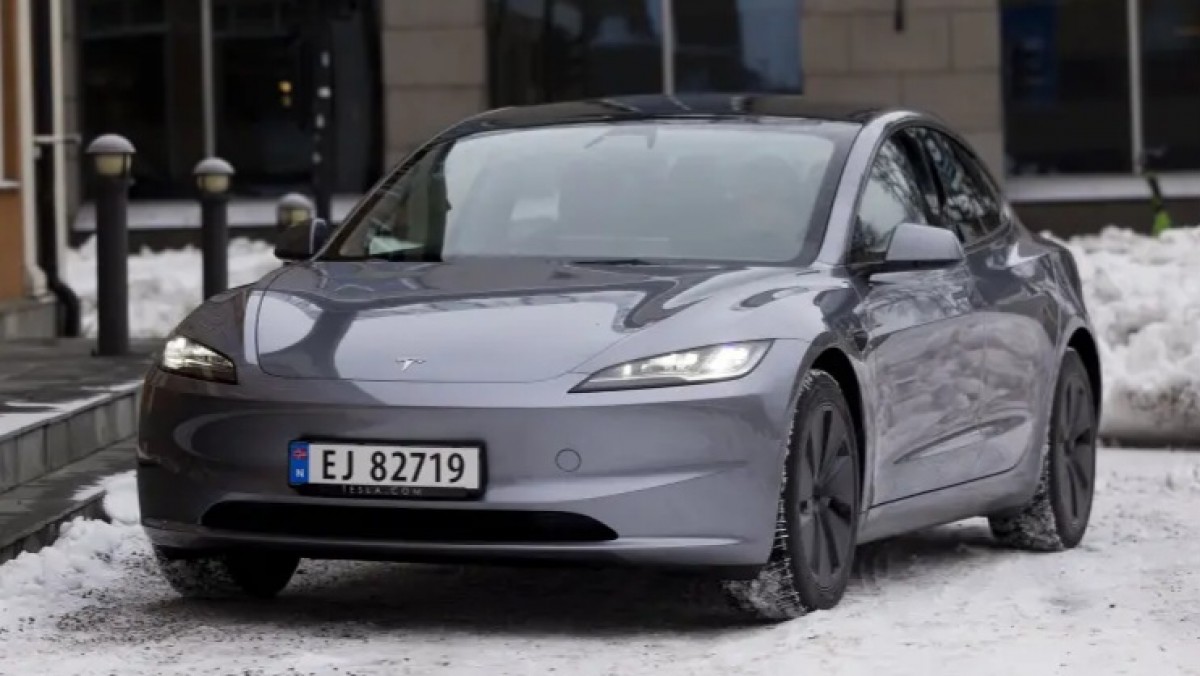
Tesla’s Model 3, historically a strong competitor in range tests, had entered this latest trial with high expectations due to its claimed WLTP range of 436 miles. However, during the test, it fell short by a significant margin of 25%, completing just 341 miles before stopping, which raised doubts about its performance.
Conversely, the Polestar 3 showcased remarkable efficiency by achieving 330 miles, only 5.18% below its official WLTP rating of 349 miles. This achievement marks it as a formidable player in the electric vehicle market, delivering real-world performance that exceeds expectations.
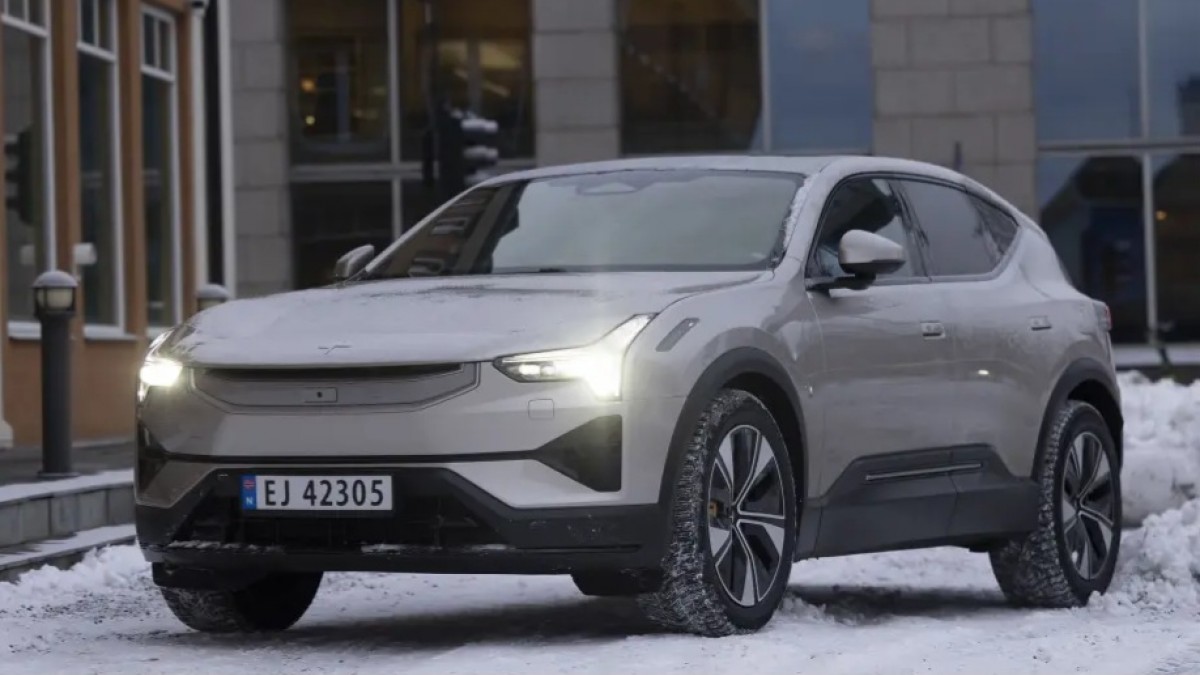
Notably, the drama unfolded at the finish line when the Tesla appeared to be leading the competition until a last-minute recalibration revealed that it had falsely registered a longer distance. After closely examining the Tesla's readings, it was discovered that the Model 3 had miscalculated a distance of approximately 2.9 miles for every 62 miles driven due to an error in its system. This discrepancy allowed the Polestar 3 to edge past and claim victory, albeit by a narrow margin.
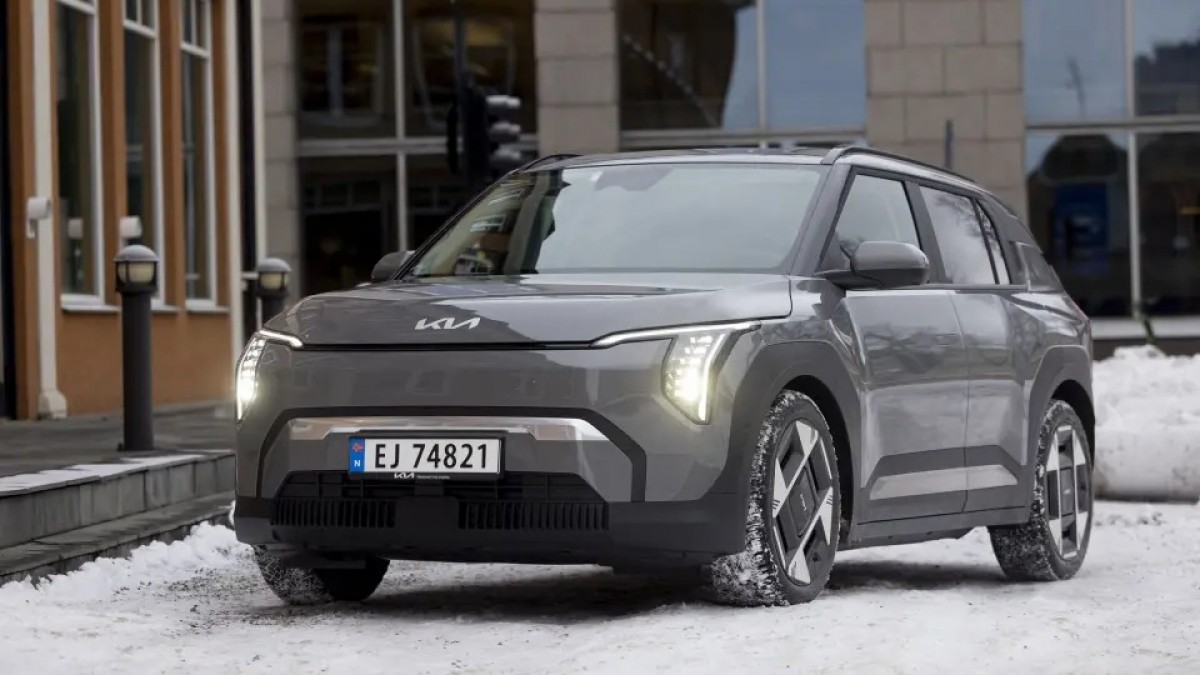
While Polestar and Tesla took the top slots, the Porsche Taycan and Kia EV3 also impressed, each managing to cover 310 miles before running out of battery, around 15% under their respective WLTP estimates.
The El Prix EV range test conducts its evaluations bi-annually in Norway, focusing on how electric vehicles perform under real-world conditions, with the winter edition particularly challenging due to slippery surfaces and inclines of around 3,280 ft.
Polestar's CEO, Michael Lohscheller, expressed pride in the Polestar 3's performance, emphasizing the importance of range for consumers looking for high-performance luxury SUVs. “The Polestar 3 is tailored for those who demand excellence in driving range and performance,” he stated.
On the lower end of the spectrum, the Peugeot E-3008 performed poorly, achieving only 216 miles, falling 101 miles short of its WLTP range. Following closely were the Voyah Dream at 214 miles and the Peugeot E-5008 at 224 miles, reflecting an overall disappointing performance for the brand in this test.
This 12th edition of the winter range test illustrates the ongoing evolution of the electric vehicle market, with manufacturers striving to enhance range and capability with every model release. The Polestar 3's achievement sets a new standard for winter range and performance among electric vehicles. Below are the full results from the test:
| Vehicle | Actual Range | WLTP Difference |
|---|---|---|
| Polestar 3 | 330 miles | -5% |
| Tesla Model 3 | 330 miles | -24% |
| Porsche Taycan | 310 miles | -16% |
| Kia EV3 | 310 miles | -15% |
| BYD Tang | 299 miles | -9% |
| Audi Q6 e-tron | 299 miles | -22% |
| Hongqi EHS7 | 281 miles | -16% |
| VW ID.7 GTX Tourer | 273 miles | -23% |
| Ford Explorer | 272 miles | -17% |
| BYD Sealion 7 | 271 miles | -13% |
| Lotus Emeya | 271 miles | -13% |
| Hyundai Ioniq 5 | 271 miles | -20% |
| XPeng G6 | 267 miles | -22% |
| Porsche Macan | 267 miles | -22% |
| BYD Seal U | 262 miles | -16% |
| Nio EL8 | 256 miles | -18% |
| BMW i5 Touring | 244 miles | -21% |
| Mercedes G580 | 237 miles | -14% |
| Volvo EX30 | 231 miles | -21% |
| Peugeot E-5008 | 224 miles | -26% |
| Mini Countryman | 221 miles | -11% |
| Peugeot E-3008 | 216 miles | -32% |
| Smart #3 | 215 miles | -17% |
| Voyah Dream | 214 miles | -29% |
Source