The semiconductor industry is undergoing rapid transformation, with foundries racing to keep pace with ever-increasing technology demands. Recently, Samsung Foundry has demonstrated significant improvements in its 2nm chip yields, positioning itself as a formidable competitor to TSMC. With the long-awaited 1.4nm tech on the horizon and lucrative contracts like the $16.5 billion deal with Tesla, Samsung is strategically navigating current market dynamics while facing growing competition from players like Intel and Nvidia.
A Shift in Mobile Chip Production
Traditionally, Apple's iPhone has been the first device to showcase the latest cutting-edge process nodes. However, this trend shifted in early 2026 with the launch of the Samsung Galaxy S26 and Galaxy S26+, featuring the newly developed 2nm Exynos 2600 application processor across Europe, South Korea, India, and parts of Asia.
Understanding Process Node Implications
As process nodes shrink, the size of chip features decreases, allowing for a higher transistor density—typically calculated as the number of transistors per square millimeter of chip area. Higher transistor density contributes to increased processing power and enhanced energy efficiency, resulting in improved battery life for consumers.
Samsung's Yield Challenges and Recent Improvements
Samsung Foundry has faced challenges with yield rates, notably a disappointing 35% yield in 2022 that compelled Qualcomm to shift production of the Snapdragon 8 Gen 1 to TSMC. This low yield rate substantially increases the production costs, with Samsung reportedly charging $20,000 per silicon wafer for 2nm chips. However, recent improvements have put Samsung back on track, enabling the company to resume the development of 1.4nm chips, now projected for mass production in 2029.
Major Contracts Signal Confidence in 2nm Technology
Samsung's efforts to enhance their 2nm yield proved fruitful when the company secured a $16.5 billion contract with Tesla, which will utilize these chips in various applications, including automotive technology, robotics, and AI servers. The focus on 2nm improvements appears to be paying dividends as demand for advanced technology escalates.
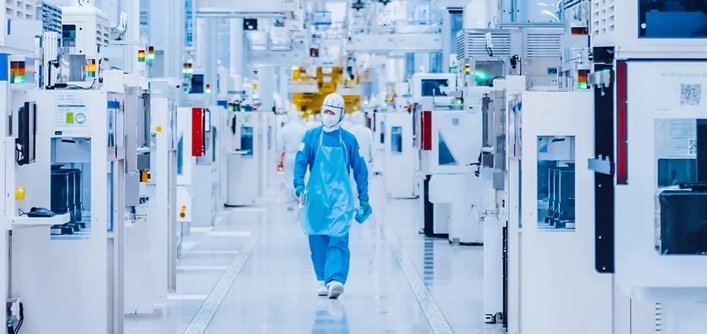
Samsung Foundry has shown improvement in its 2nm yield. | Image by Samsung Foundry
Emerging Competition and Shifting Dynamics
As Samsung Foundry improves its performance, it also faces increasing competition, particularly from Intel, which may manufacture some of Apple's future A-series chips. The landscape is changing rapidly, with TSMC also feeling the pressure as Nvidia surpasses Apple as its largest customer.
Given Samsung Foundry’s turnaround and TSMC's focus on AI technology, analysts speculate that Qualcomm may reconsider Samsung for future collaborations, potentially shifting the balance within the semiconductor market.