As the tech world grapples with an unprecedented shortage of memory and storage chips, industry giant Apple is exploring bold and controversial options to secure the components it desperately needs. The soaring demand for advanced memory solutions, driven largely by the explosion of AI data centers, has forced Apple to reconsider its traditional supply chain dependencies, even if it means engaging with a supplier under scrutiny.
Apple No Longer Leads TSMC's Client List
In a surprising shift, Apple has fallen from its position as the top client of Taiwan Semiconductor Manufacturing Company (TSMC), now eclipsed by Nvidia, which has seen remarkable growth fueled by the insatiable demand for AI accelerators. These powerful GPUs, equipped with stacked High-Bandwidth Memory (HBM) chips, are essential for processing vast datasets swiftly and efficiently.
Soaring Costs of Memory and Storage Chips
The intense competition for HBM and NAND storage chips has made it increasingly hard for smartphone manufacturers, including Apple, to source these vital components. When they can find supplies, prices are often exorbitantly high, a classic case of supply failing to meet soaring demand. This economic reality means that Apple faces inflated costs for critical parts, fundamentally altering its pricing strategies.
Seeking Clearance to Purchase from a Blacklisted Supplier
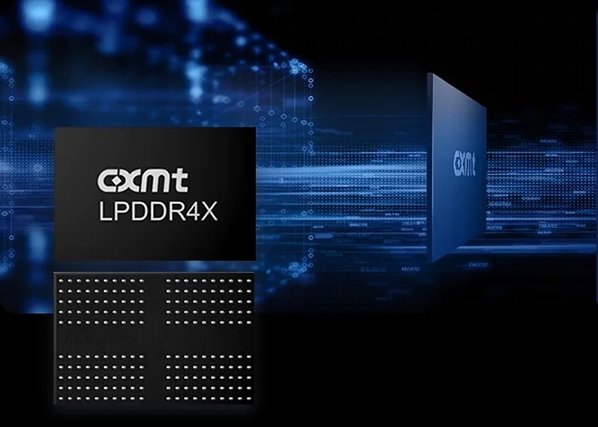
To navigate the scarcity, Apple has recently sought permission from the White House to purchase memory chips from ChangXin Memory Technologies (CXMT), China's largest memory chipmaker. CXMT is on the Chinese Military Company Blacklist due to its alleged ties to the People's Liberation Army, which raises significant national security concerns.
Political Motivation Behind Apple's Request
While Apple is technically allowed to procure chips from CXMT, the request for political clearance aims to safeguard against potential backlash from the U.S. government regarding sourcing from a blacklisted entity. This preemptive measure underscores the delicate balance Apple must maintain while navigating its supply chain amid geopolitical tensions.
Impact on Product Pricing
The ripple effects of the chip crisis are evident, as Apple recently announced price increases for several products, including iPads and MacBooks. CEO Tim Cook indicated that these adjustments were necessitated by surging costs associated with memory and storage components. This financial strain highlights the broader implications of component availability for consumers.