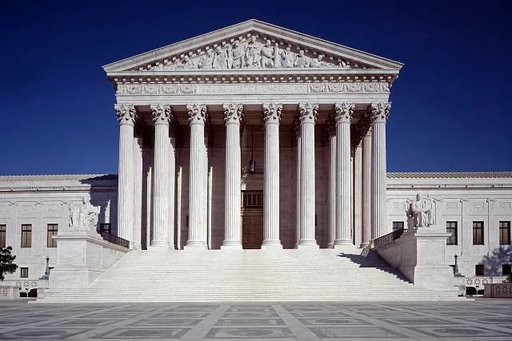
In a landmark decision, the Supreme Court has addressed the controversial sale of customer location data by major telecommunications providers such as AT&T, Verizon, and T-Mobile. This ruling, handed down on June 4, clarifies the Federal Communications Commission's (FCC) authority to impose penalties on carriers without requiring a jury trial, reinforcing consumers’ privacy rights amidst ongoing concerns about data handling practices.
Supreme Court Decision Overview
Background of the Location Data Misuse
The legal conflict arose following revelations that a Mississippi sheriff utilized a service called Securus to track individuals' phones without a warrant. The FCC subsequently discovered that major carriers, including AT&T, Sprint, T-Mobile, and Verizon, had sold access to customer location data to third-party data brokers, who then distributed it to unauthorized parties.
Implications of the Ruling
This ruling is a significant win for privacy advocates, responding to widespread public concern over data privacy. Polls indicated that about 70% of respondents were in favor of the FCC's position prior to the decision, with less than 10% supporting the carriers’ arguments. The court's ruling reflects the preferences of those advocating for stronger data protection regulations.
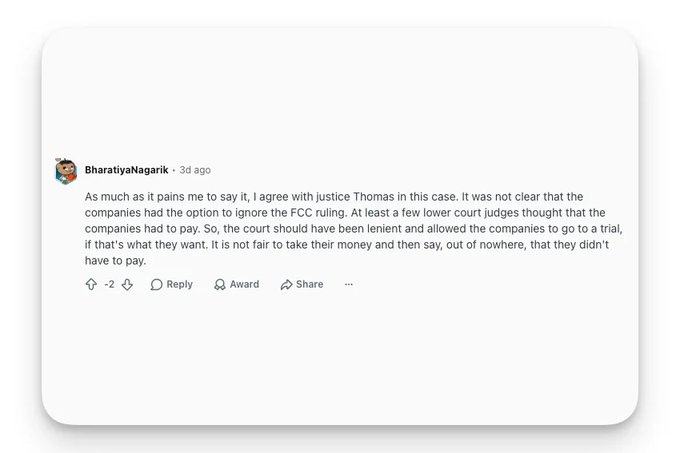
Justice Thomas acknowledged the validity of the ruling while expressing concern that the carriers had never previously been aware of their right to a jury trial in such FCC actions. Nevertheless, for millions of consumers using these carriers, the outcome signifies that the FCC can continue to regulate how companies manage sensitive location data, which may deter future violations.
What It Means for T-Mobile Customers
While the court's decision specifically addressed AT&T and Verizon, T-Mobile is in a precarious position as well. T-Mobile and Sprint had faced combined fines of approximately $92 million as part of the same FCC investigation. This ruling closes legal loopholes that T-Mobile may have hoped to exploit in contesting its fines, illustrating a concerning trend in the telecommunications sector regarding accountability.
In summary, carriers have faced scrutiny for trading consumer location data, and the Supreme Court's ruling emphasizes the necessity of holding them accountable. While the imposed fines are significant, they may only scratch the surface compared to the actual misuse of customer data. This decision serves as both a victory for privacy advocates and a stark reminder of how slowly regulatory justice can sometimes unfold in safeguarding individuals' privacy.