AT&T Responds to Community Concerns, Cancels Controversial Cell Tower Project
In a move that reflects the power of community advocacy, AT&T has decided to halt its plans for a massive cell tower in Hā'ena, Kaua'i. Residents fought against the construction of a 125-foot monopine designed to enhance cellphone reception in an area previously plagued by weak signals. This decision comes after extensive public outcry, highlighting the balance between technological advancement and community integrity.
Welcome to Hā'ena
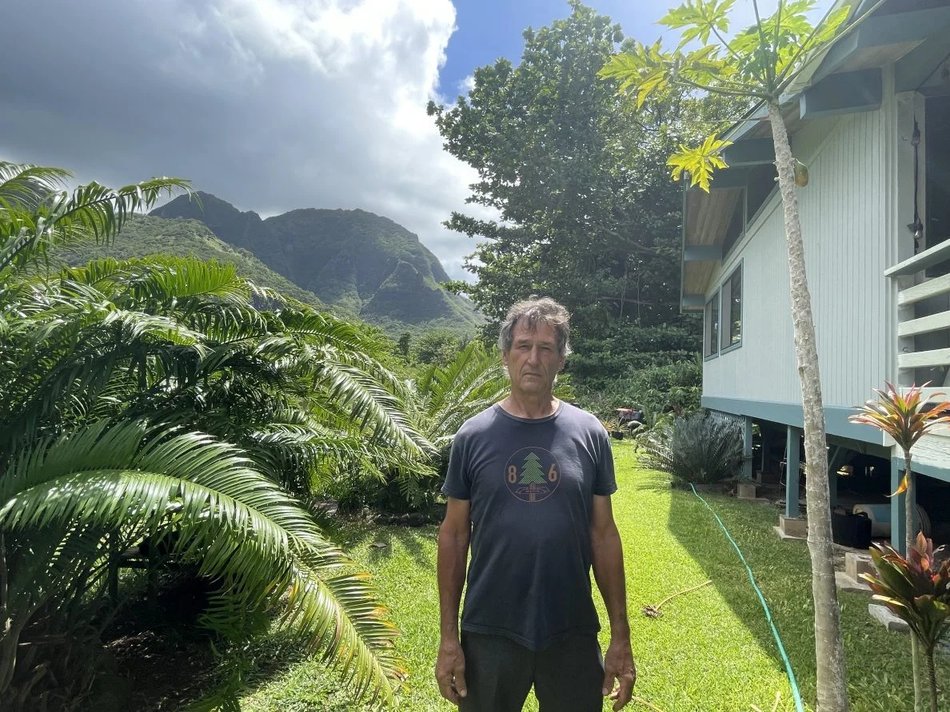
Hā'ena is a stunning state park located on the north shore of Kaua'i, Hawaii. The proposed 125-foot cell tower was met with fierce opposition from the community, who argued that it would disrupt the natural beauty of the area and overshadow the local architecture where buildings are limited to a height of 30 feet.
Monopine 50 Feet from a Bedroom? Not Happening
Initially, AT&T's plan involved installing a monopine tower disguised as a tree to blend into the surroundings. However, even with this design, residents expressed their concerns that the structure would still appear overly dominant in the landscape, infringing upon their quality of life.
AT&T Backs Off
Recently, AT&T communicated that it would terminate the lease on the proposed site, officially ending the project. While the intention behind this infrastructure was to bolster emergency communication capabilities in an area susceptible to natural disasters, the public backlash emphasized the residents' prioritization of their community's aesthetics and well-being over cellular coverage.
Despite complaints regarding the lack of reliable service in the area—particularly from tourists in vacation rentals—the strong sentiments of local residents prevailed. The community gatherings illustrated significant apprehensions about health risks, potential drops in property values, and fears that a structure of this magnitude would not withstand severe weather conditions.
What's Next?
As of now, AT&T may look for alternative sites nearby that would meet its infrastructure needs without imposing on the Hā'ena community. However, given the strong opposition encountered, future attempts to increase service coverage may be subject to even more scrutiny.


