The memory market has been plagued by the so-called 'RAMpocalypse,' leading to soaring prices and limited availability. However, insights from a former Samsung executive shed light on a potential resolution on the horizon. While there is optimism that memory prices may stabilize, the implications for both the tech industry and consumers might not be entirely positive.
Potential Relief Ahead for Memory Prices
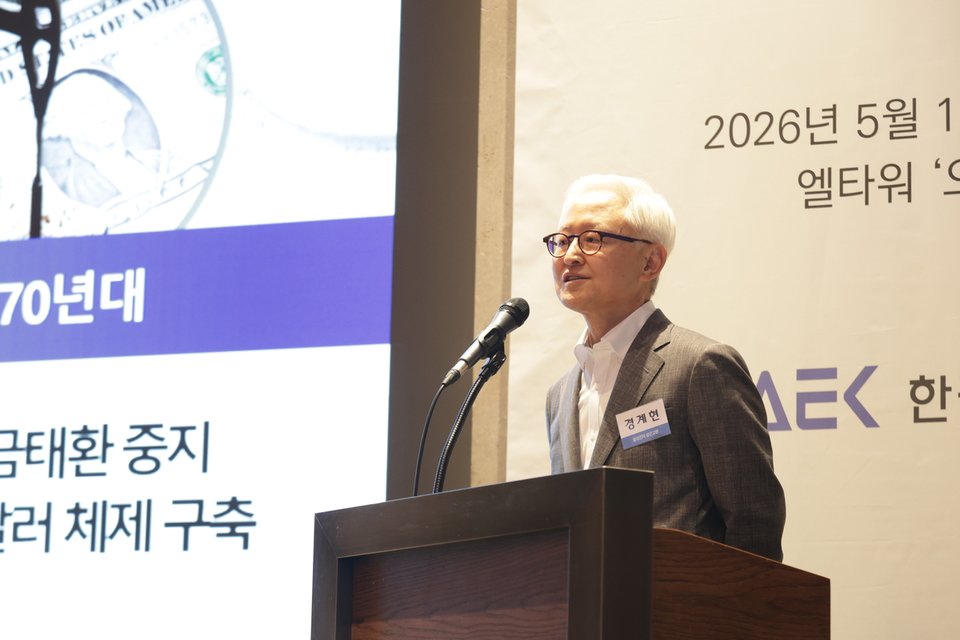
Kyung Kye-hyun, former president of Samsung Electronics' Device Solutions division, projects that we may see a halt to the rise of memory prices as early as the second half of next year. He attributes this shift to the rapid expansion of memory production by Chinese firms, which could create an excess supply in the market, thereby alleviating current pricing pressures.
A Cautionary Perspective
Despite the hopeful developments, there is a significant caveat: if the returns for Big Tech companies begin to decline relative to their capital expenditures, this may result in reduced investments in the sector. Currently, major players in AI data center development are pouring billions into memory solutions. However, an oversupplied market might prompt these companies to scale back their investments.
Implications for Consumers
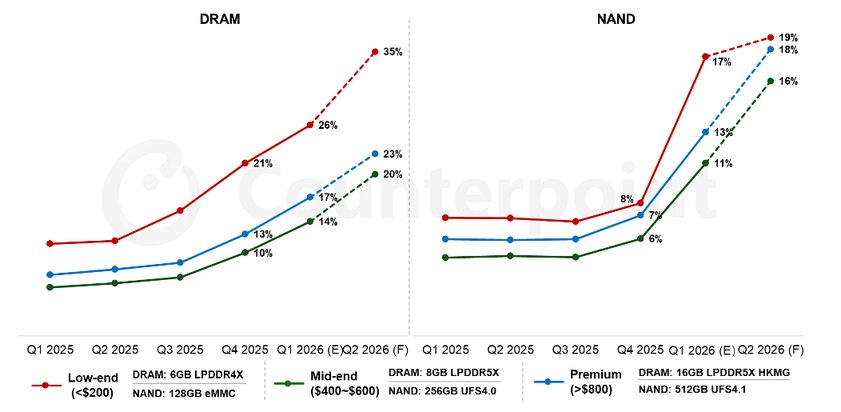
As the market fluctuates, users must wonder: what does this mean for their devices? While some analysts suggest that smartphone prices may no longer be on a steady rise, it’s likely that manufacturers will take a different approach. Instead of passing savings directly to consumers, brands might offer models with increased RAM and storage to justify maintaining or even raising prices.
Looking Ahead
While there is optimism about the potential stabilization of memory prices, consumers should be prepared for a reality where benefits may be limited. Ultimately, the landscape for smartphone pricing and features could shift as companies navigate the complexities of supply and demand.


