In a surprising pivot, OpenAI has ventured into the hardware domain with the announcement of its ChatGPT smartphone. While the tech community may be skeptical about its success, there are compelling reasons to believe that this device could play a significant role in the evolution of AI-powered technology. With a unique approach and advanced capabilities, the ChatGPT phone might just be the catalyst needed to inspire innovation across the smartphone industry.
OpenAI's Ambitious Hardware Leap
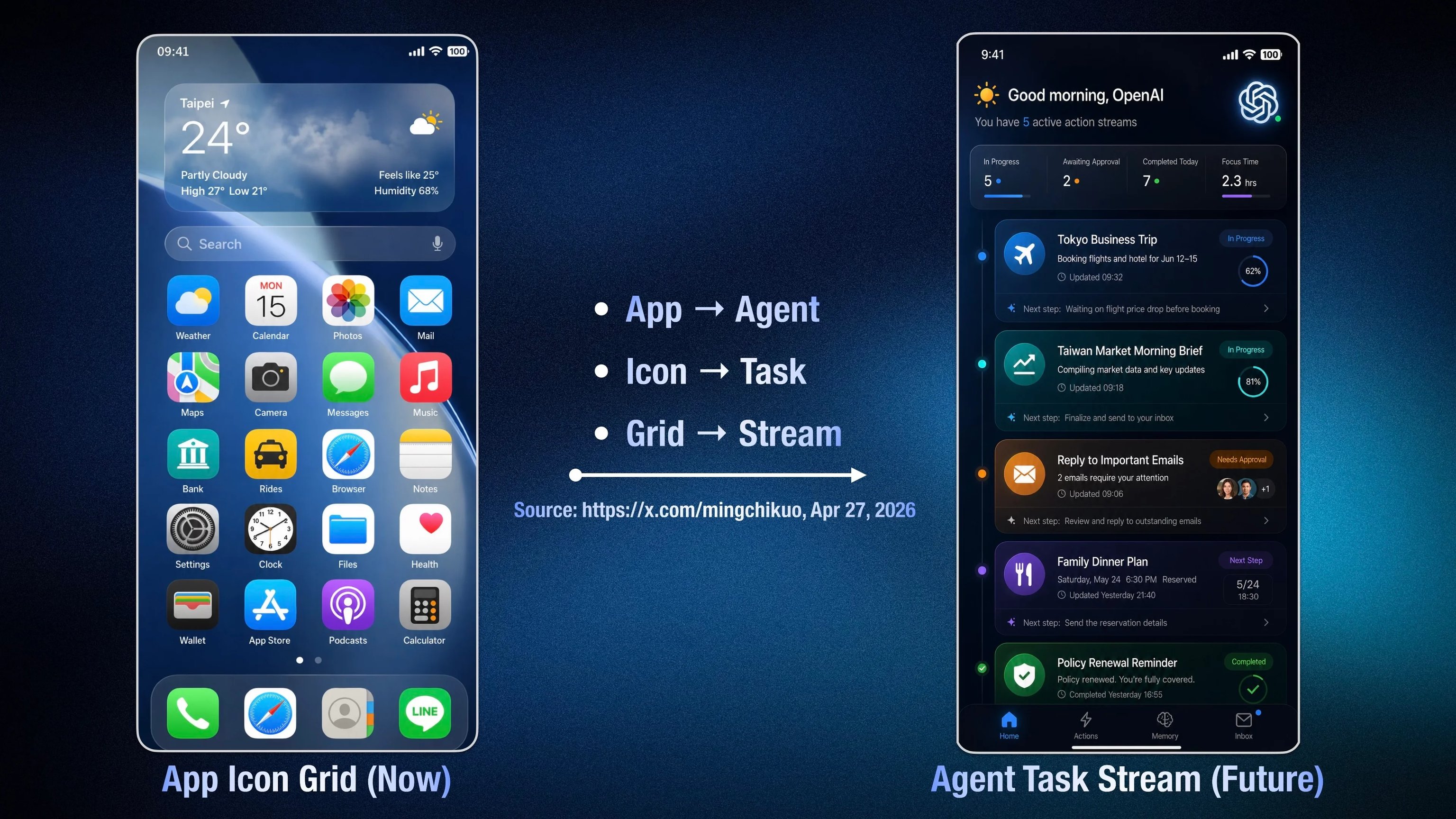
Many users have begun using chatbots for tasks ranging from research to simple coding, and while the potential for AI integration is vast, current implementations often fall short in practical applications, like reliably summoning a ride. Despite these limitations, the vision for a dedicated AI-powered smartphone brings promise.
Rationale Behind OpenAI's Smartphone Initiative
OpenAI's push towards a smartphone may seem counterintuitive, especially in a saturated market dominated by established players like Apple and Samsung. However, this endeavor could not only enhance user experience but also redefine the role of AI in everyday mobile interactions.
The ChatGPT Phone: A Bold Statement in a Saturated Market

Advancing the AI Landscape
Despite the potential hurdles, the ChatGPT phone could inspire leading smartphone manufacturers to innovate further. By pushing the limits of what AI can achieve on mobile platforms, OpenAI could inadvertently drive enhancements in existing devices. Although OpenAI might not directly benefit from this ripple effect, it could ignite a much-needed shift in how we interact with technology.
Conclusion
While the fate of the ChatGPT smartphone remains uncertain, its influence on the tech landscape could be profound. Even if it struggles to find its footing in a competitive market, the conversation it sparks regarding the integration of AI in daily devices is invaluable. The future of smartphones might just hinge on this bold undertaking from OpenAI.