In response to growing geopolitical tensions and the potential supply chain disruptions they may cause, Apple is actively seeking alternate suppliers for its essential iPhone components. The company has initiated discussions with Intel and Samsung as part of its strategy to mitigate risks associated with its reliance on TSMC, particularly in light of concerns regarding Taiwan's stability.
Apple's Dependence on TSMC for A-Series Processors
Currently, Apple sources all of its A-series and M-series processors exclusively from TSMC. The fear of a potential Chinese invasion of Taiwan has been a major concern for Apple CEO Tim Cook, highlighted by a classified CIA meeting this year that warned of possible military actions by 2027. The gravity of this situation has left Cook in a state of vigilance, metaphorically "sleeping with one eye open."
Progress at TSMC's Arizona Facility: A Mixed Outlook
While TSMC does have a fabrication plant operational in Arizona that produces chips using the 4nm process node, it remains several years behind the cutting-edge 2nm node used at its facilities in Taiwan for the upcoming A20 Pro application processor, destined for the iPhone 18 Pro and Pro Max. Although TSMC plans to manufacture chips using the 3nm process in Arizona by late 2027, these will still lag behind the innovations being produced in Taiwan.
If agreements are reached, Apple would leverage Intel's contract foundry service and Samsung's new Texas-based foundry for advanced chip production. As of now, however, neither Intel nor Samsung has received any orders from Apple, as the company remains cautious about integrating non-TSMC technology into its chipset production.
Historical Context: Apple's Previous Collaborations
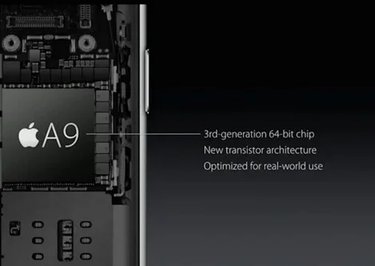
Historically, Apple has used multiple suppliers for key components; for instance, the A9 chips used in the iPhone 6s and 6s Plus were produced by both Samsung and TSMC. However, since the A10 chipset, Apple has exclusively relied on TSMC. Current challenges in chip supply chains, exacerbated by heightened demand in sectors such as AI, have prompted Apple to rethink its procurement strategy for iPhone and Mac components.
Risk Management and Quality Control Considerations
TSMC’s arrangement allows Apple to mitigate production risks. For instance, TSMC's "Good Die Only" model means Apple pays only for the functional chips that pass quality control, shifting risks associated with low yields away from Apple. In stark contrast, other firms are charged for entire silicon wafers, regardless of yield.