Under the EU’s Digital Markets Act (DMA), Android is classified as a gatekeeper and is required to ensure equal access to essential features of phones and tablets for third-party companies.
The European Commission contends that Alphabet (Google) has not done enough to comply with these requirements, particularly by keeping certain AI-related features exclusive to its Gemini platform. To address these concerns, the Commission has proposed changes and is inviting public input through a consultation process.
The discussion centers on three main issues:
- The ability for users to activate AI-powered services using wake words.
- The potential for AI services to interact effectively with users’ applications to comprehend their context and perform tasks on their behalf.
- Access to the necessary hardware and software resources to ensure AI services are reliable and responsive.
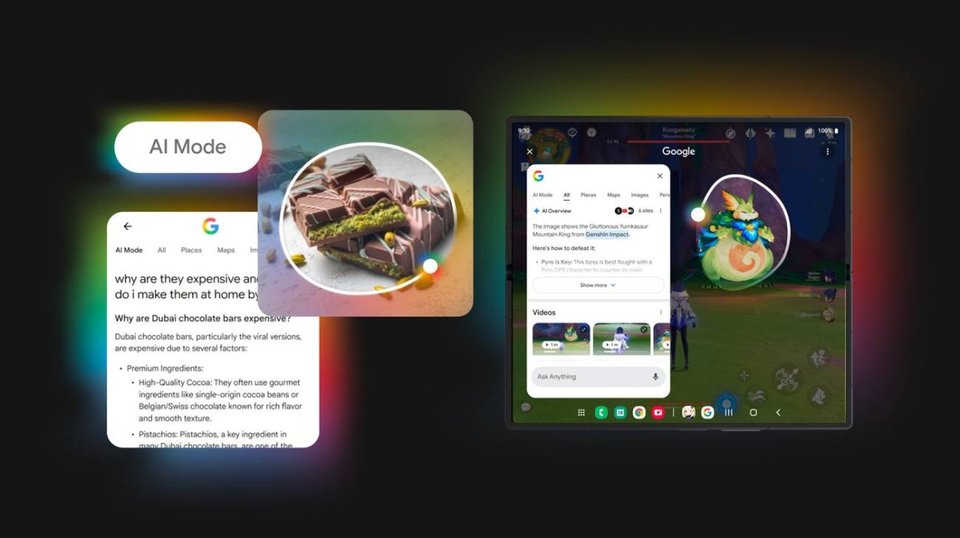
Specifically, the Commission examined how the long-press of the navigation bar shortcut triggers Gemini, providing contextual data and enabling information overlays on the screen. This feature, traditionally linked to Google’s Circle to Search, is not equally available to third-party developers.
In addition, the always-on wake word detection is currently connected to "Hey Google." The Commission is advocating for Android to permit third-party app developers to introduce their own wake words.
Furthermore, app data—particularly data stored locally on devices—can currently only be accessed through the AppSearch permission, which is restricted to the default assistant and not granted to third-party assistants. The full details of this proposal can be found in a PDF report, which includes information on proactive suggestions, context-aware intelligence, ambient data, and more.
In response, Alphabet’s Senior Competition Counsel indicated in an email to Reuters, "This unwarranted intervention would strip away that autonomy, mandate access to sensitive hardware and device permissions, unnecessarily drive up costs, and undermine critical privacy and security protections for European users."
This situation mirrors a past issue involving Apple, which faced criticism for locking certain features, such as exclusive access to the NFC chip for Apple Pay. Following scrutiny, Apple later made these features available to third-party services, though concerns remain in some regions.


