The Enormous 8,000mAh Smartphone Battery: A Wishful Dream for American Consumers
In the ever-evolving world of smartphones, battery capacity often dictates how enjoyable and versatile our devices can be. Despite the continuous advancements in technology, it seems that American consumers are missing out on some of the most exciting innovations, particularly when it comes to massive battery capacities. As new models with impressive specifications launch in countries like India and China, the disappointment lingers: these powerful devices often do not make their way to the U.S. market.
What’s Happening in India and China?
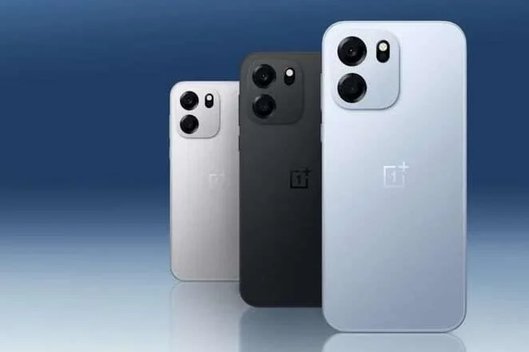
While the U.S. market clamors for upgrades and enhancements, regions such as India and China are being treated to smartphones that boast cutting-edge features. One standout example is the OnePlus Nord CE6, reportedly sporting a staggering 8,000mAh battery. These state-of-the-art devices push the boundaries of battery technology while American counterparts remain stuck with more modest options.
Why Are American Buyers Left in the Lurch?
This raises an important question: why can't smartphone enthusiasts in the United States access these groundbreaking products? The reasons are multifaceted, including market dynamics, consumer preferences, and the strategies employed by major manufacturers who dominate the American landscape.
The Price of Market Limitations
Take the Galaxy S26 Ultra, for example, a flagship model renowned for its premium features that maxes out at 60W wired charging with a 5,000mAh battery. In stark contrast, OnePlus offers a phone with 80W charging capabilities and a significant 9,000mAh battery—all at only $390. This stark discrepancy illustrates the challenges American buyers face in navigating a market that is often slow to innovate.
What This Means for the Average American Consumer
The regular consumer ends up feeling stuck, with little choice beyond what’s readily available. This tranquil state in the market resembles a duopoly where aggressive pricing and innovation are stifled, resulting in stagnation. As new technologies emerge elsewhere, American consumers face modest battery upgrades and uninspired charging speeds, effectively punishing those who desire more variety in their choices.


