Introduction
The Motorola Signature redefines what a smartphone can be, showcasing a design that seamlessly merges beauty and functionality. In this article, we will explore the standout attributes of this flagship device, highlighting its exceptional design, user experience, and overall performance, proving that elegance and practicality can coexist.
Recently, I had the pleasure of testing the Motorola Signature, and what struck me most was its stunning design. While it boasts various features—such as commendable speakers and a proficient camera system—the emphasis here truly lies in its slender profile and captivating visuals.
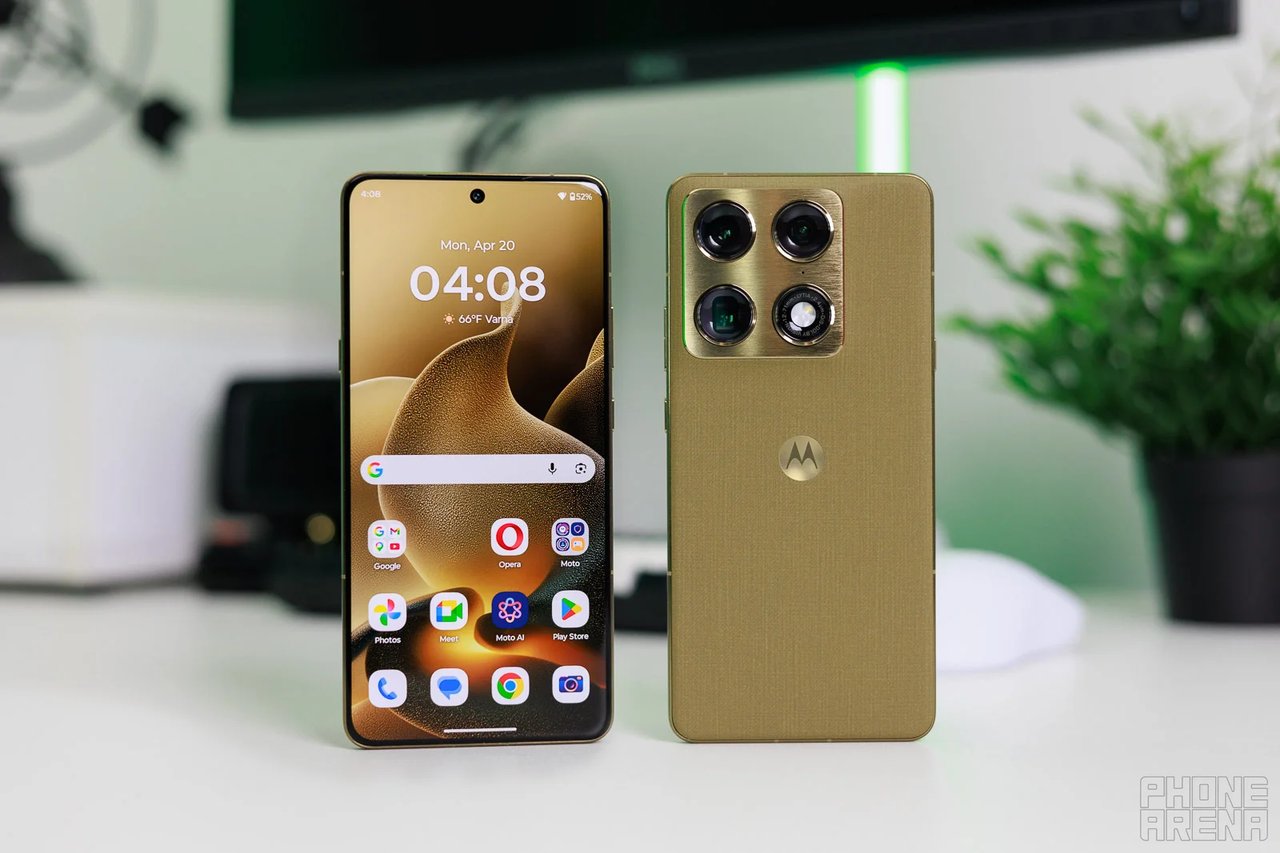
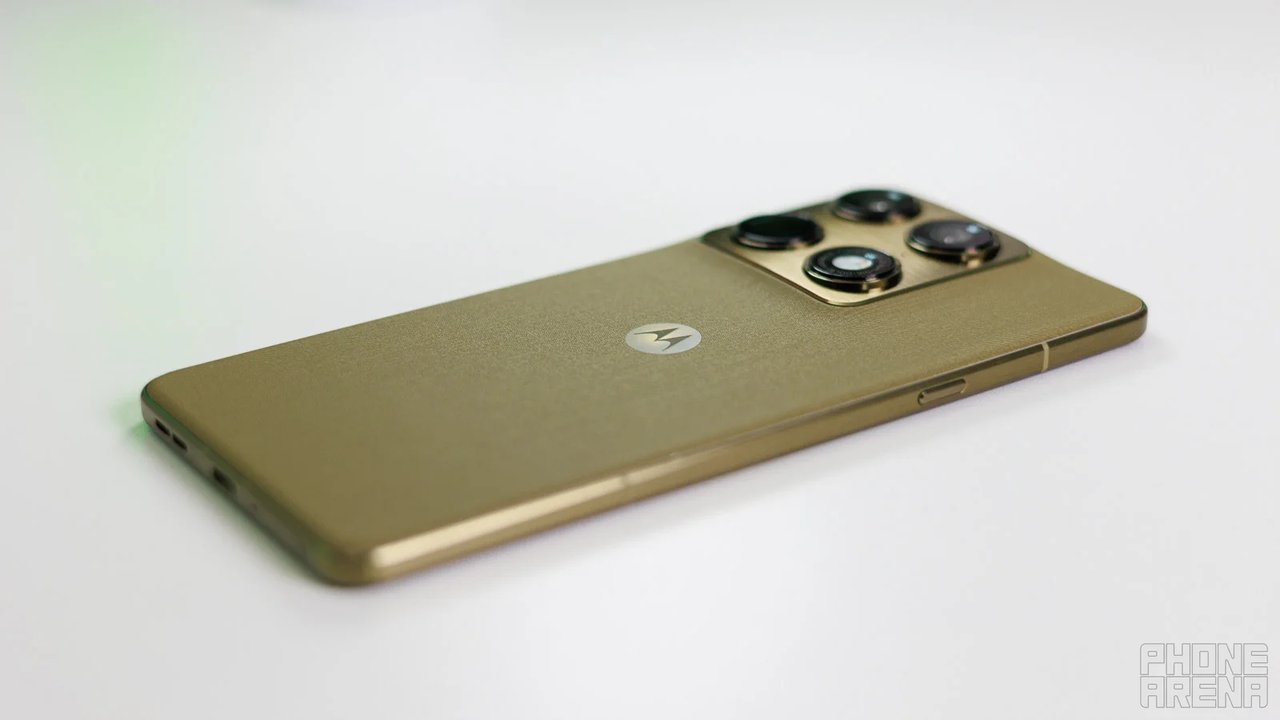
The Motorola Signature may not drastically alter the design narrative in the smartphone world, yet it represents an impeccable execution of form. The slightly textured back provides a solid grip while introducing character, setting it apart from the ubiquitous frosted glass backs prevalent in many devices today.
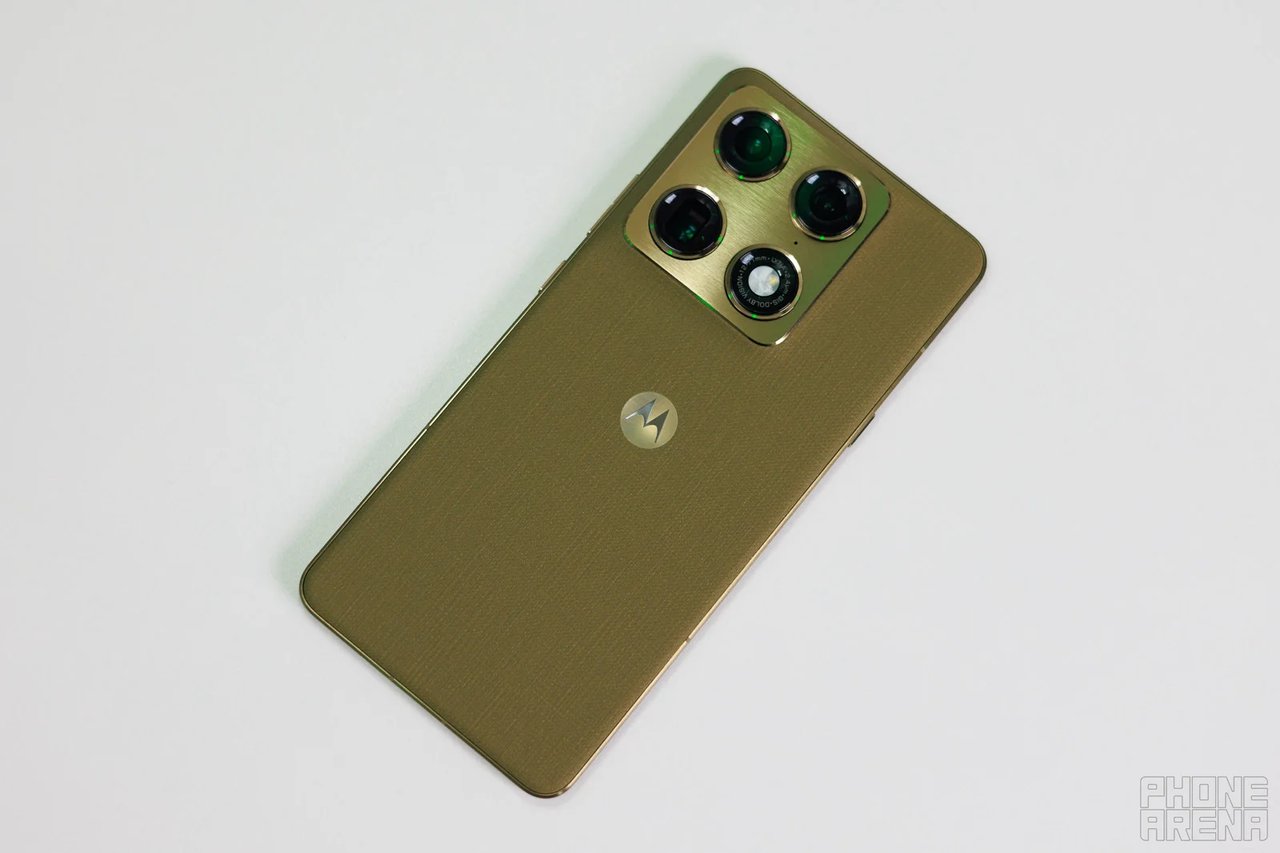
One aspect that initially threw me off was the review unit's color, Pantone Martini Olive. This unique shade, a blend of green and yellow, felt odd at first, but like many experiences, grew on me throughout my daily use of the phone.
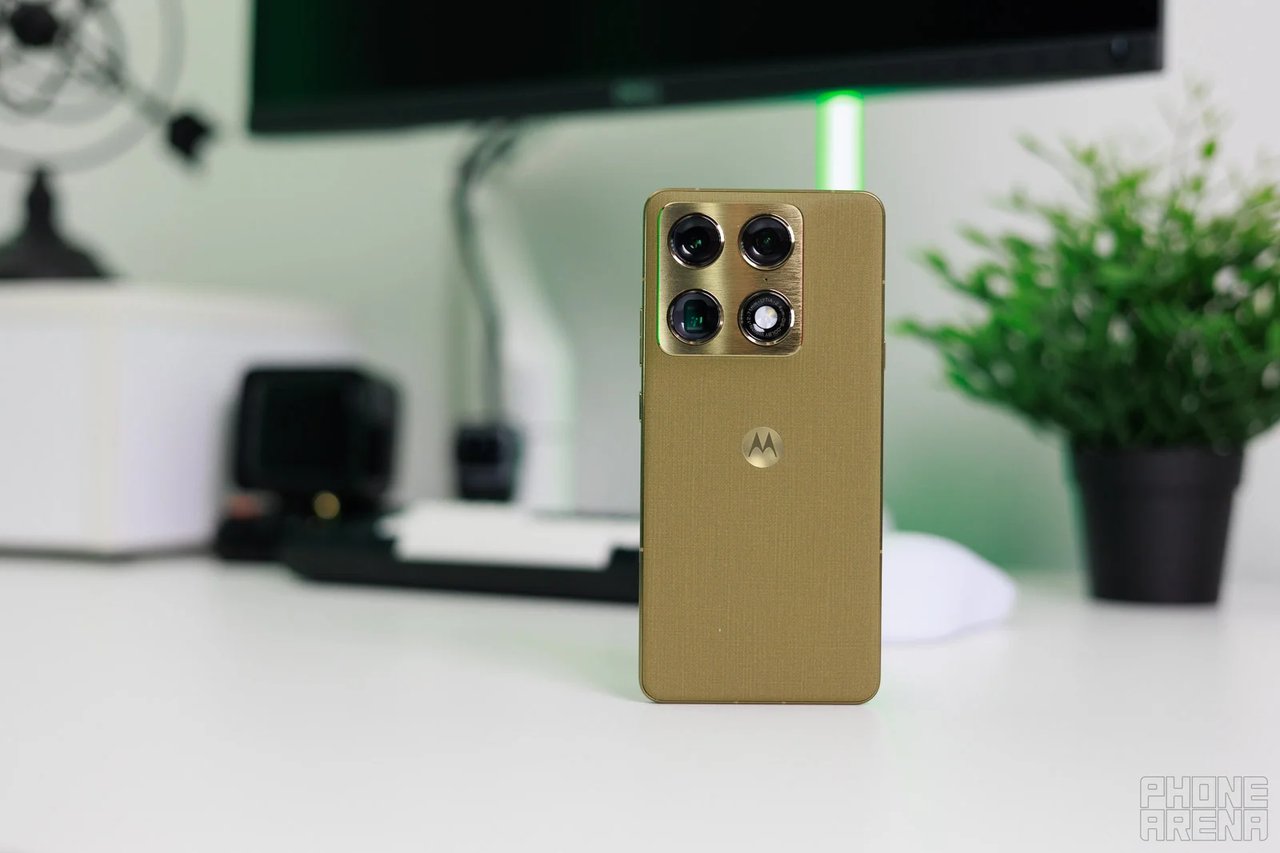
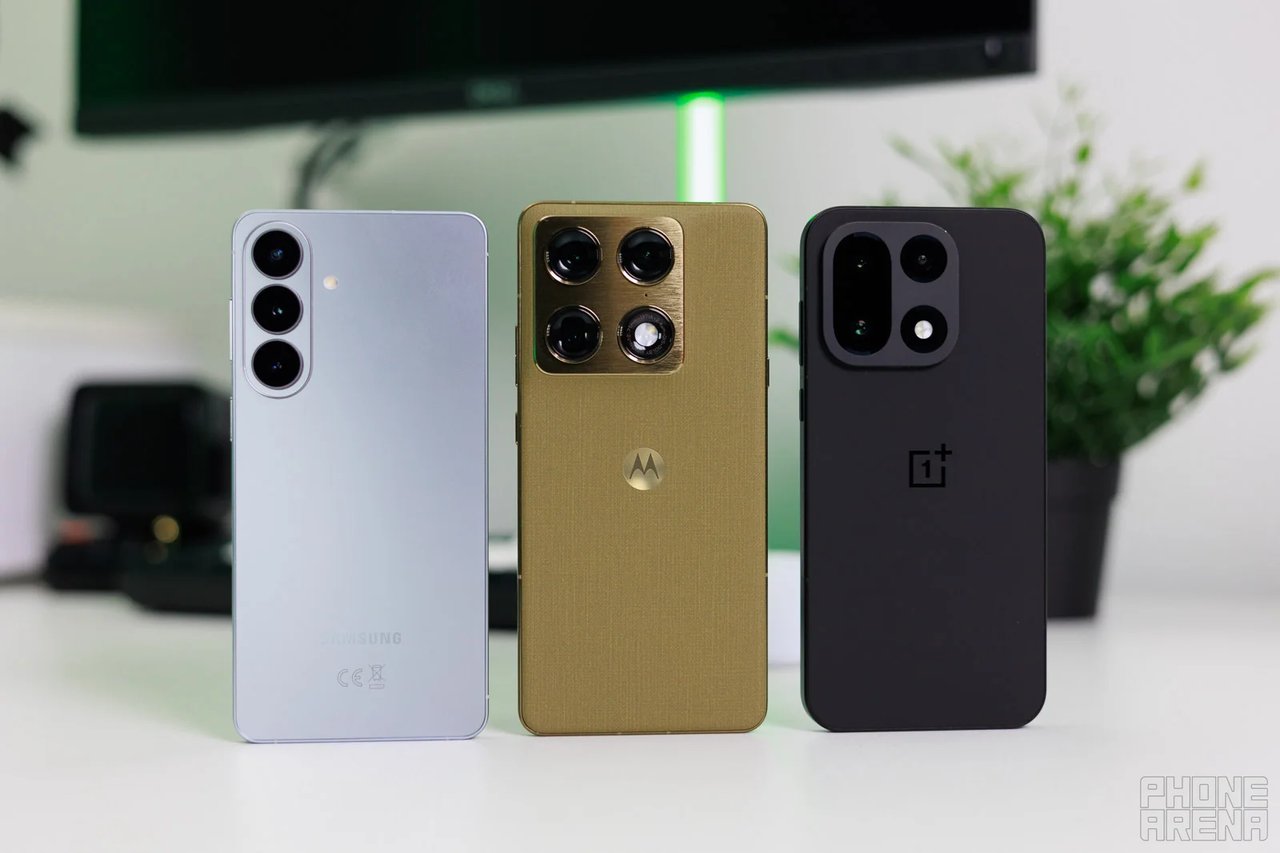
Though the Motorola Signature isn't compact, its thinness is notable. The curved display contributes to a perception of decreased thickness, which is one of the few redeeming qualities of curved screens.
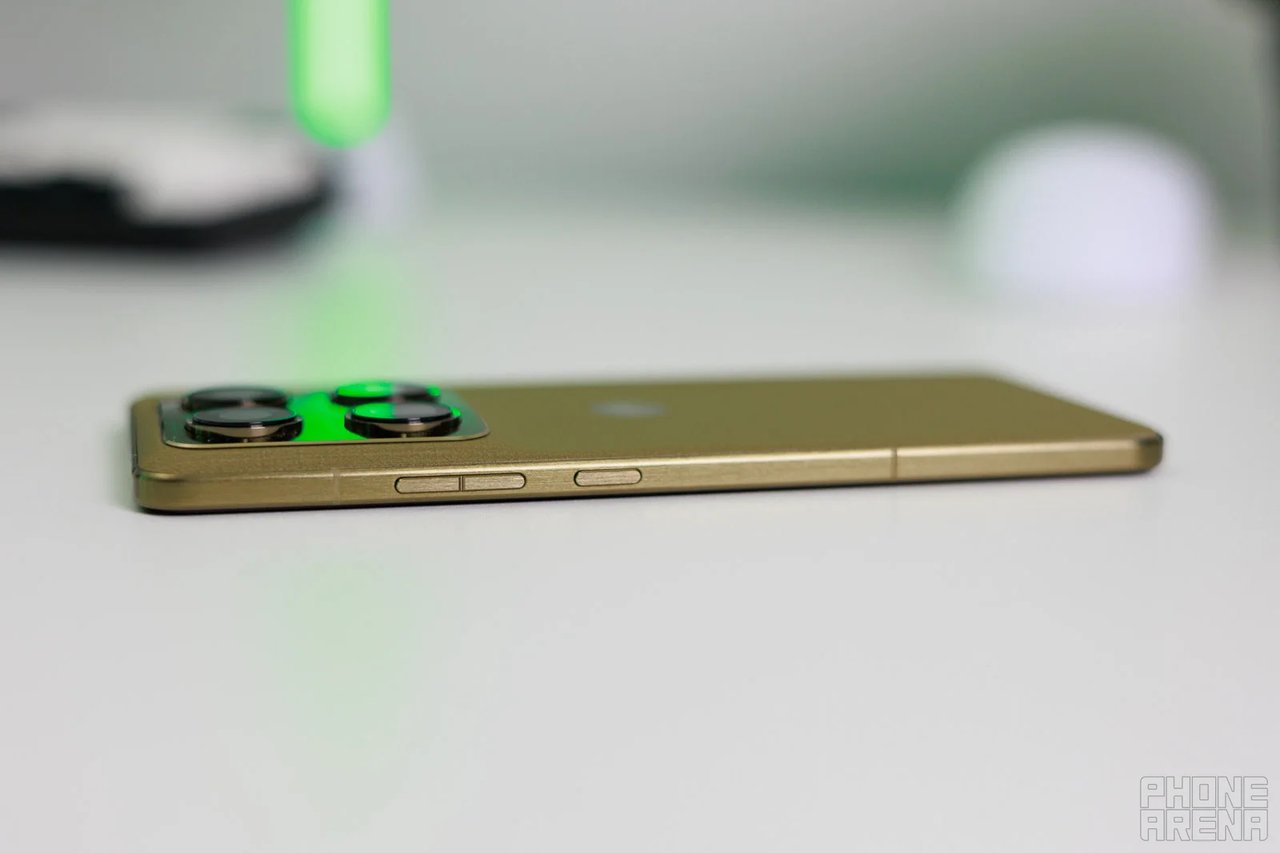
One hurdle I faced with the Motorola Signature—shared by other recent Motorola flagship models—was the AI key placed on the left side. Ideally, this space would accommodate a customizable button or a ring switch.
While I value additional functional buttons, the AI key remains fixed to its role in managing the phone's AI features.
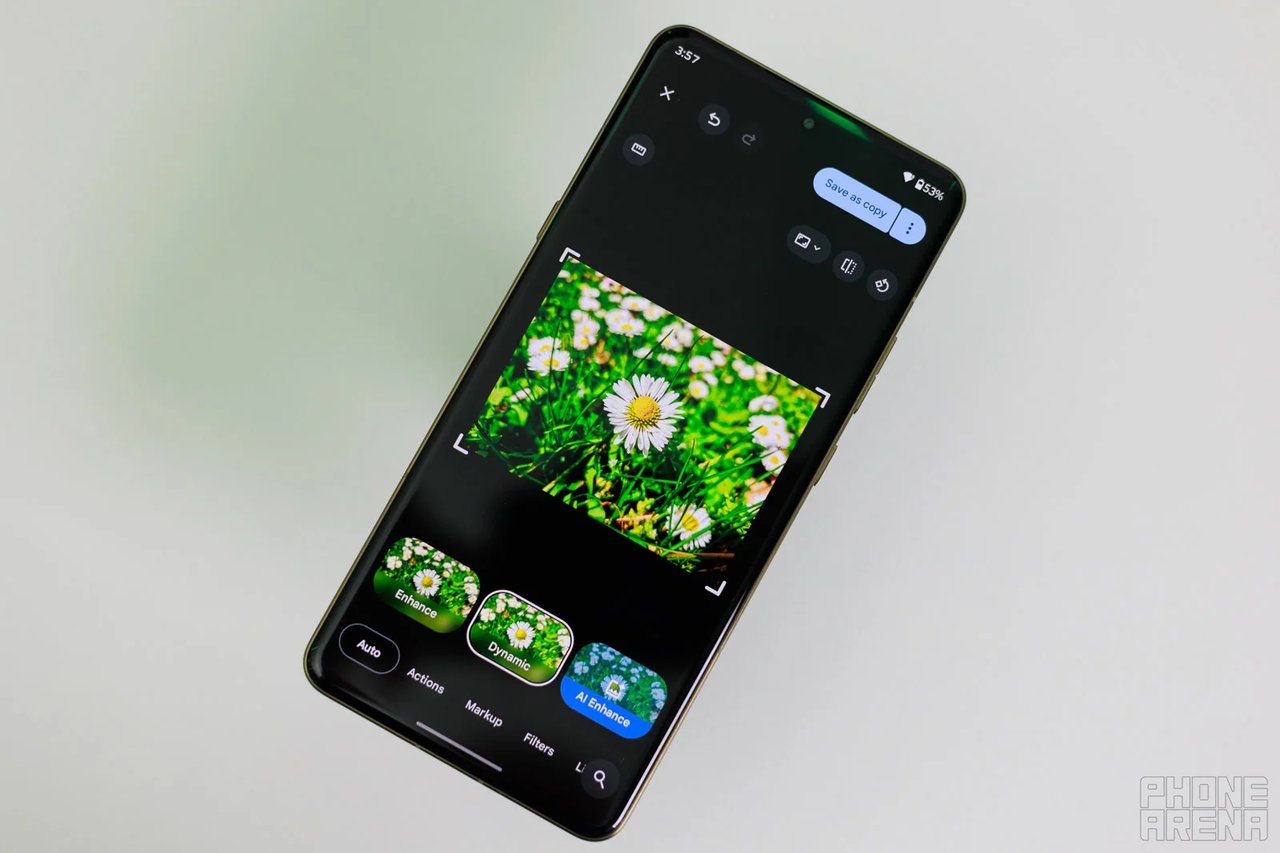
AI integration is abundant throughout the interface. While those who utilize AI frequently will appreciate this feature, others may find it cluttering.
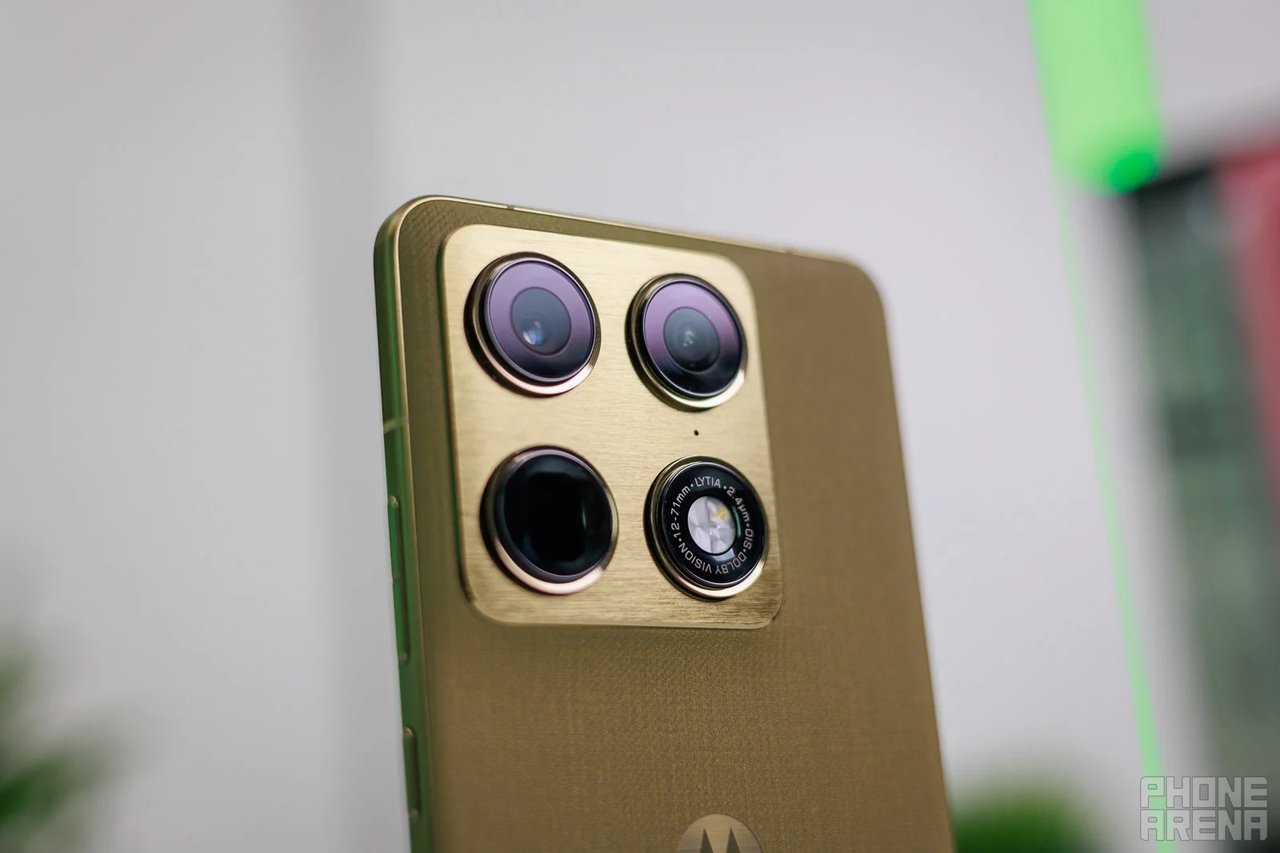
The camera island is sleek and compact, designed with sloped sides that complement both form and function.
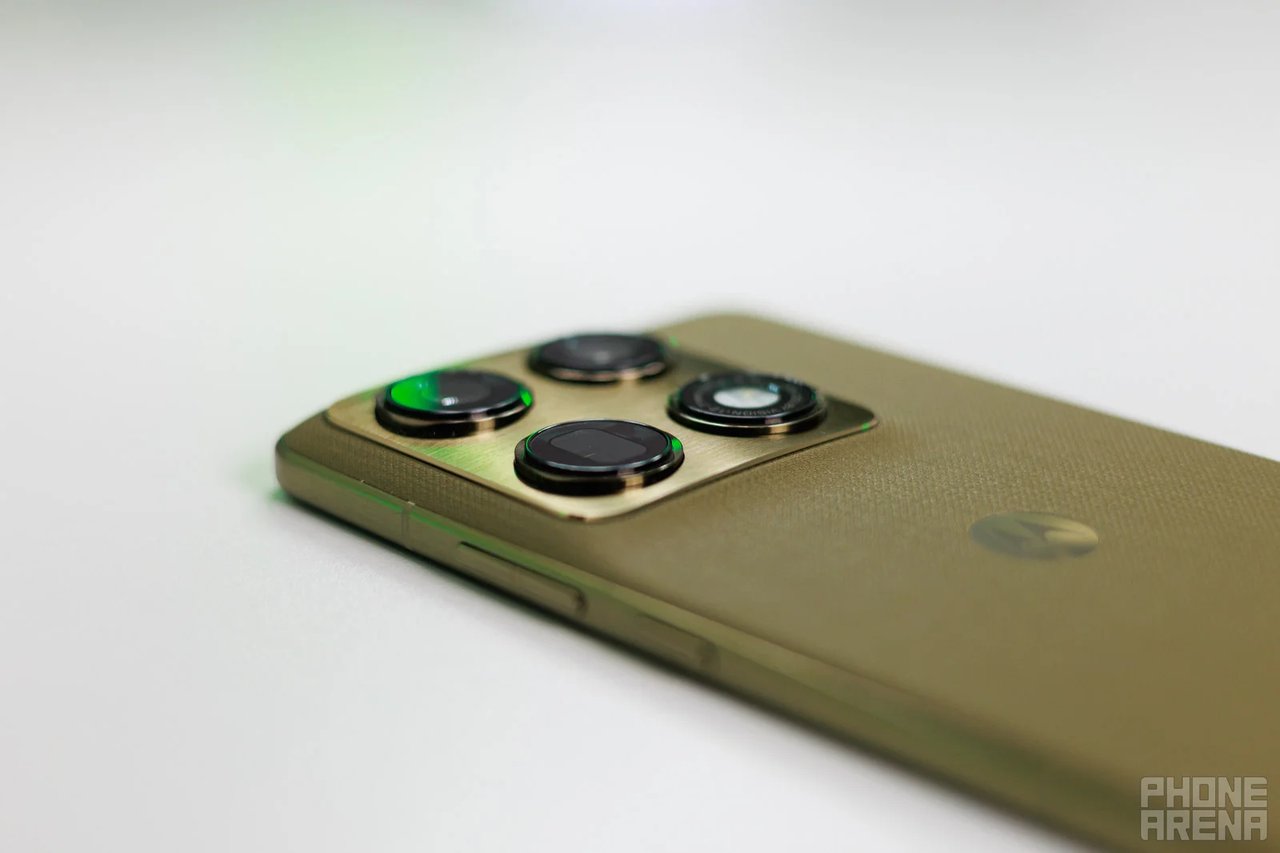
Unfortunately, the camera island's offset leads to some rattling when resting the phone on a flat surface.
The display impresses with its vivid colors and brightness, showcasing the excellence typical of AMOLED screens.
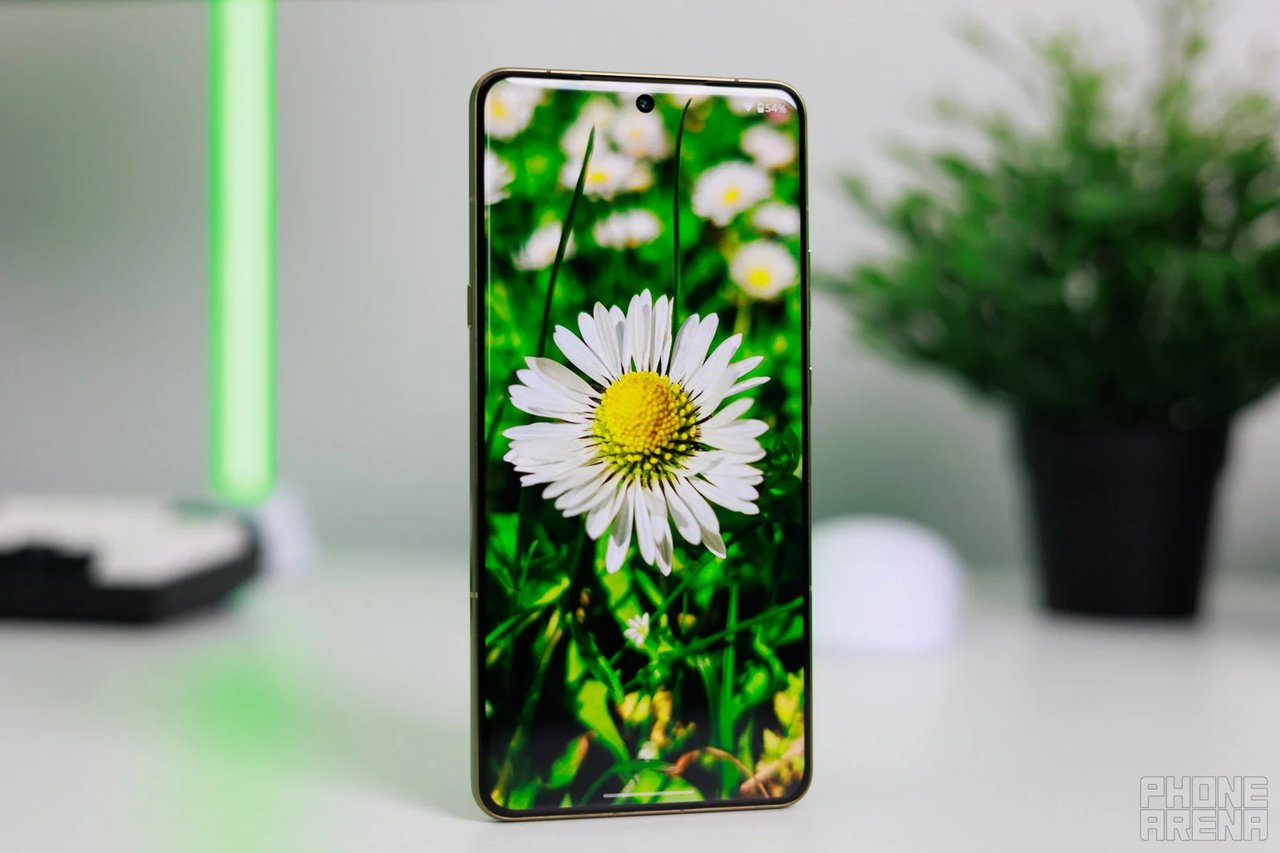
Although the bezels could be slimmer, they are not distracting. The slightly curved screen gives the impression that the edges are less prominent.
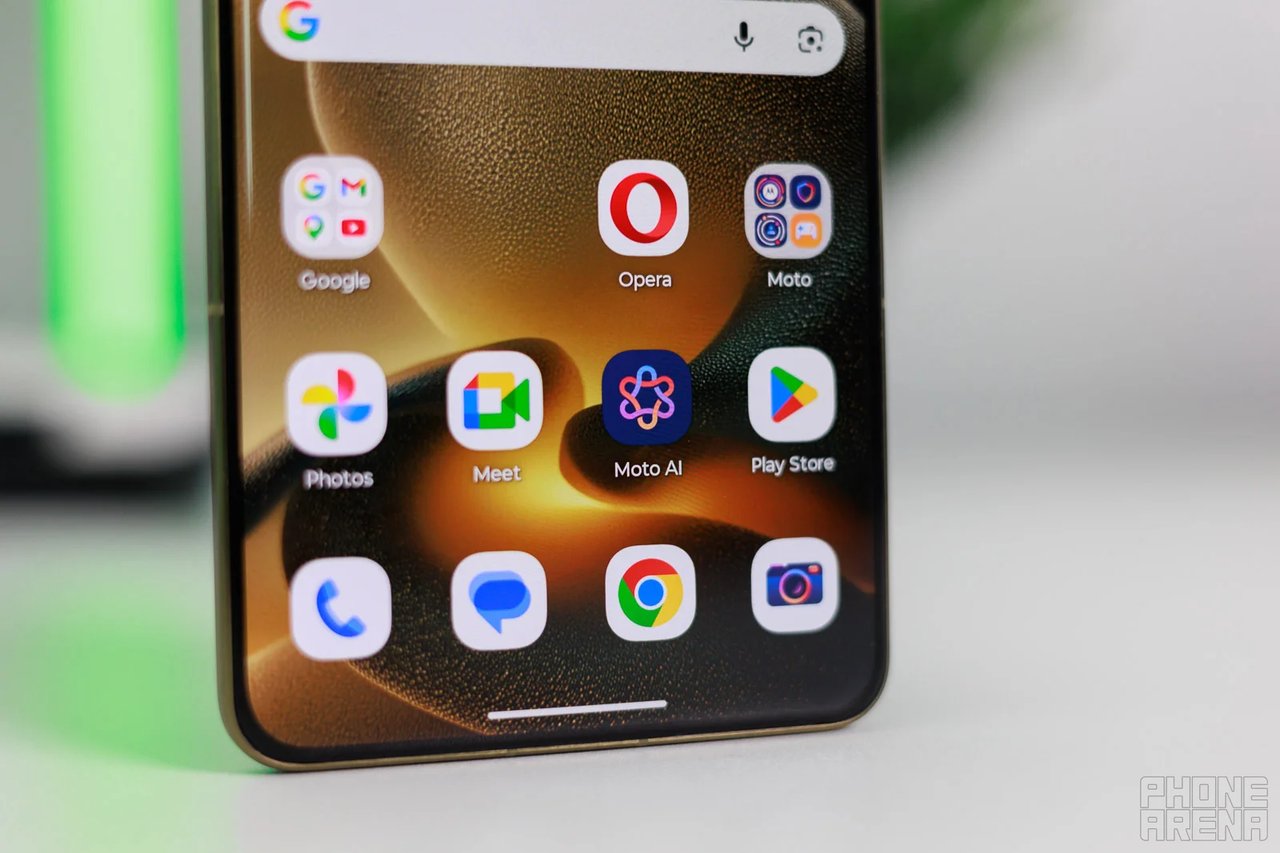
The button layout is intuitive, with no confusing arrangements—a refreshing change from the Pixel design, which I still struggle with.
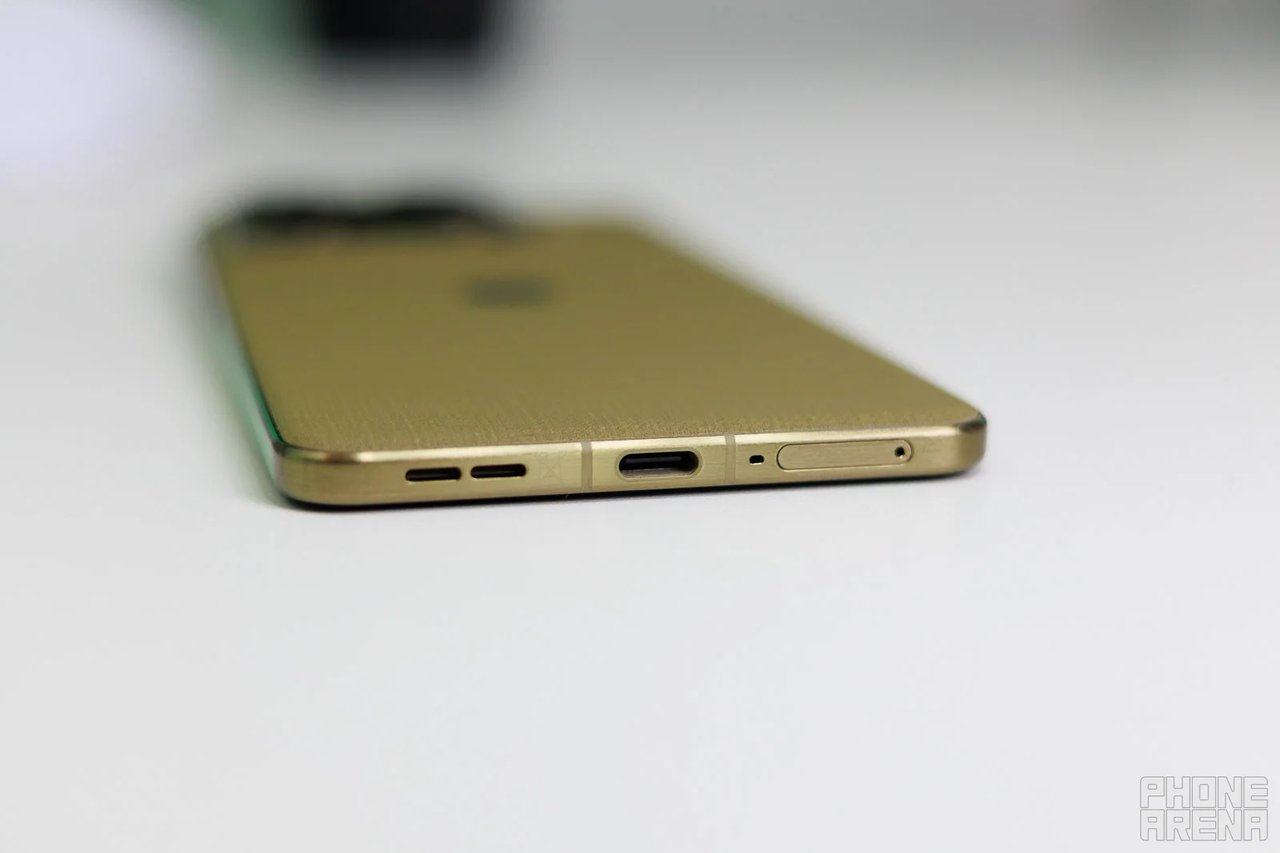
One remarkable attribute of the Motorola Signature is its audio performance, delivered by the dual speakers positioned at the top and bottom. These small cutouts enhance the aesthetic of the phone.
While I wouldn't base my recommendation for the Motorola Signature solely on design, the combination of excellent specifications, reasonable pricing, and elegant aesthetics make it a commendable choice in the competitive smartphone market.


