Smartphones today are equipped with cutting-edge technology, including impressive cameras, stunning displays, and powerful processors. However, regardless of how advanced these features are, they all hinge on one critical element: battery life. As battery issues continue to plague recent smartphone models, particularly Google's Pixel series, it's evident that battery size plays a crucial role in the overall user experience.
Concerns Among Pixel Phone Users
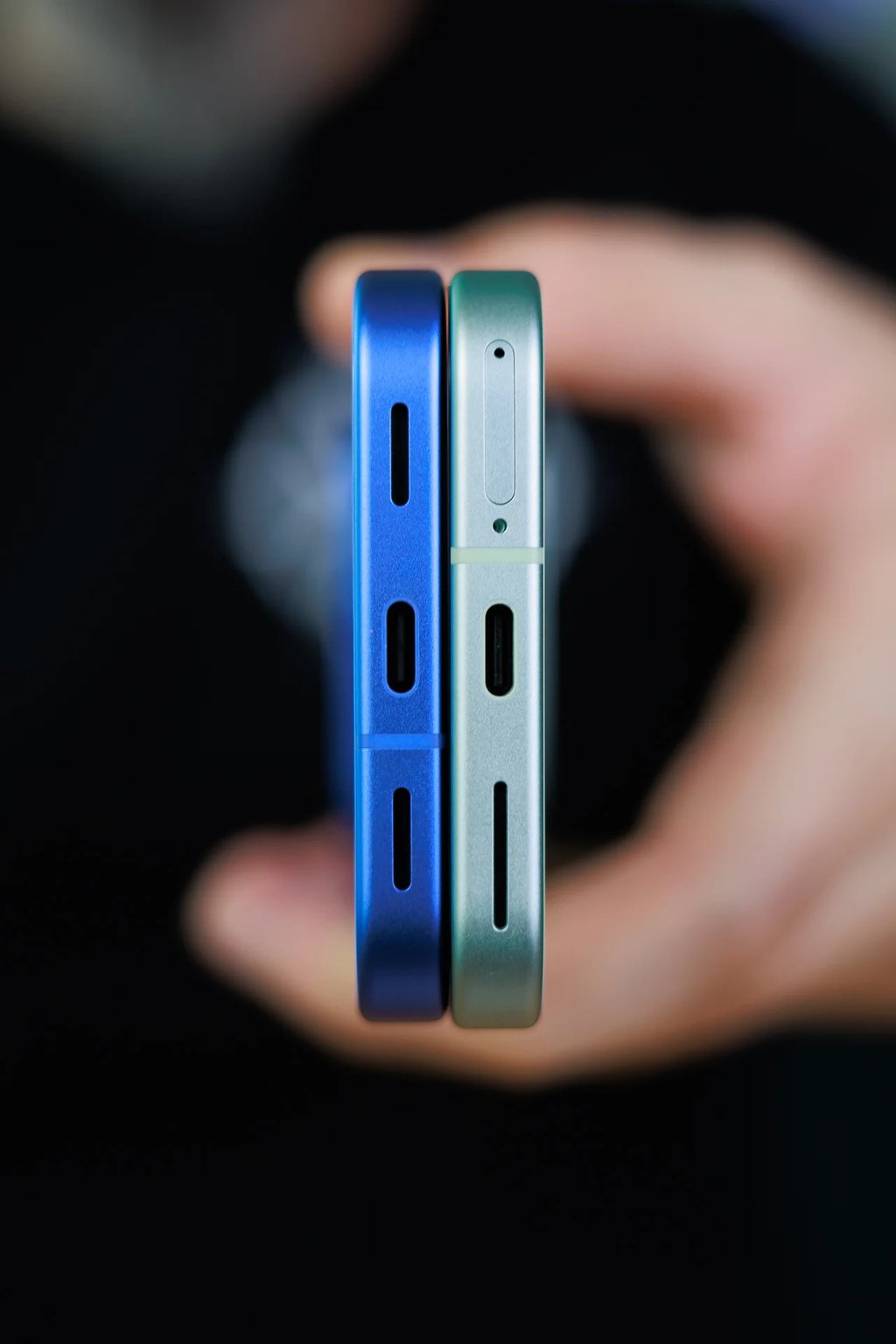
As a former user of the Pixel series myself, I find it troubling to witness the battery-related issues that have plagued the Pixel 6, 7, 8, 9, and 10 models. Google seems to be struggling to find a resolution.
Recalling Apple's Batterygate
Is Google Facing a Deliberate Strategy?
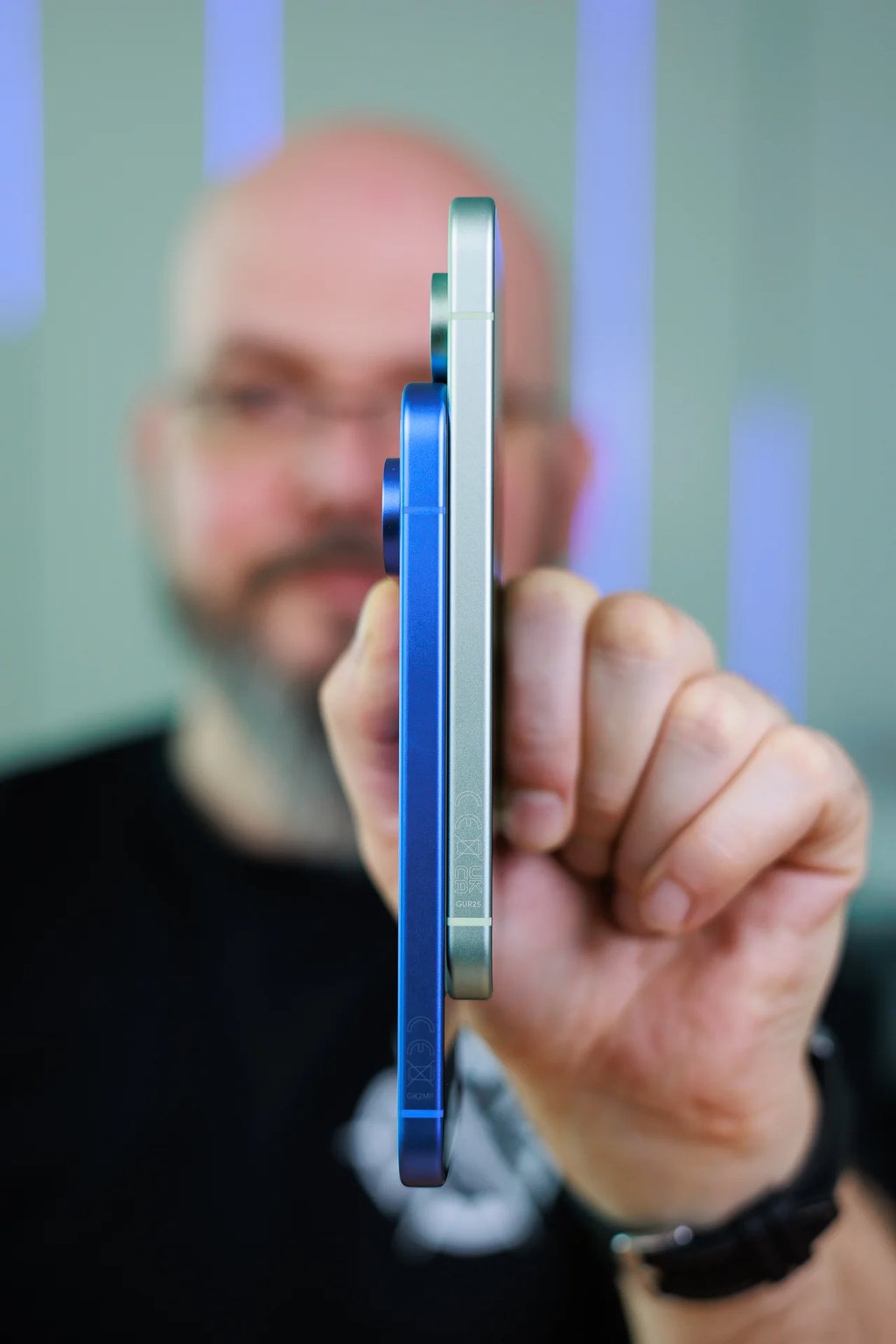
The Pixel 10 and Pixel 9 models are not that old, especially with the Pixel 11 expected in the near future. It's interesting to note that even models like the Pixel 6 continue to hold their own in performance, as recently highlighted by our colleague Alan's choice of the Pixel 6 Pro over the iPhone 15 Pro Max. However, when it comes to battery life, we must acknowledge some serious shortcomings.
A Delicate Conversation
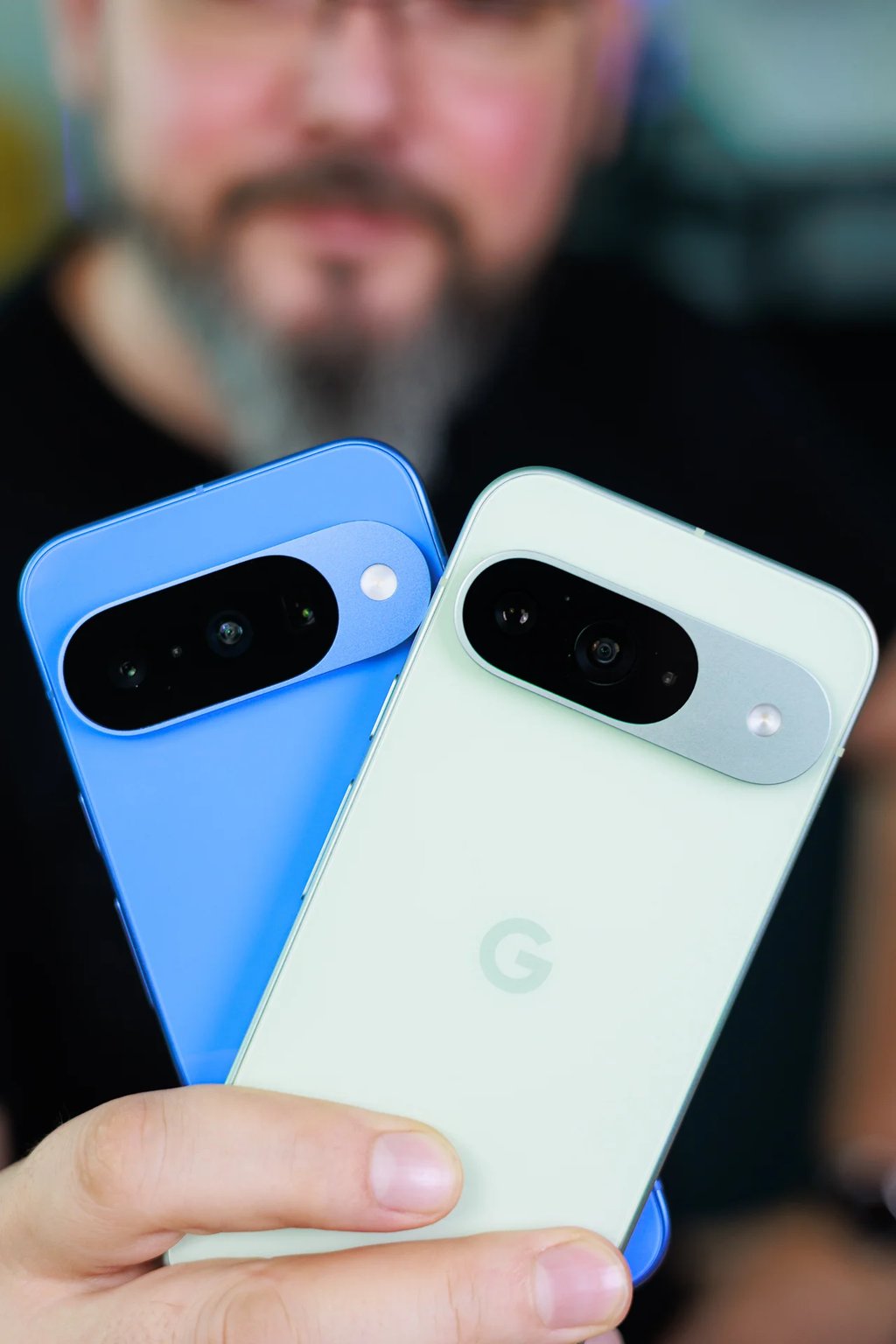
How Are Competitors Responding?
Meanwhile, competitors like Apple and Samsung are struggling with battery capacities that hover between 4,500 and 5,500 mAh. However, consumers are increasingly equating larger battery capacities with superior smartphone performance. The new Galaxy S27 Ultra is rumored to be adopting a silicon-carbon battery, which could mark a significant advancement. It's worth noting that Samsung has been persistent with its 5,000 mAh batteries for seven consecutive years, starting from the Galaxy S20 Ultra to the S26 Ultra. As technology advances, will battery capacity remain a critical factor in consumer choices?


