After years of anticipation, Apple is finally venturing into the foldable smartphone market with the upcoming iPhone Fold. Set to make its debut in September, the device has already generated considerable buzz. However, early leaks and analyses suggest that this innovative step might not live up to the hype.
Is the iPhone Fold Truly "Ultra"?
As Apple works to diversify its product offerings, which now include a budget-friendly $599 iPhone 17e and an affordable MacBook Neo, the company is also aiming to elevate its premium lineup. The iPhone Fold appears to be priced similarly to Samsung's flagship Galaxy Z Fold, which starts at $1,999.99. Unfortunately, this pricing strategy may alienate many iOS users who have eagerly awaited a foldable option.
A Unique Yet Unusable Design
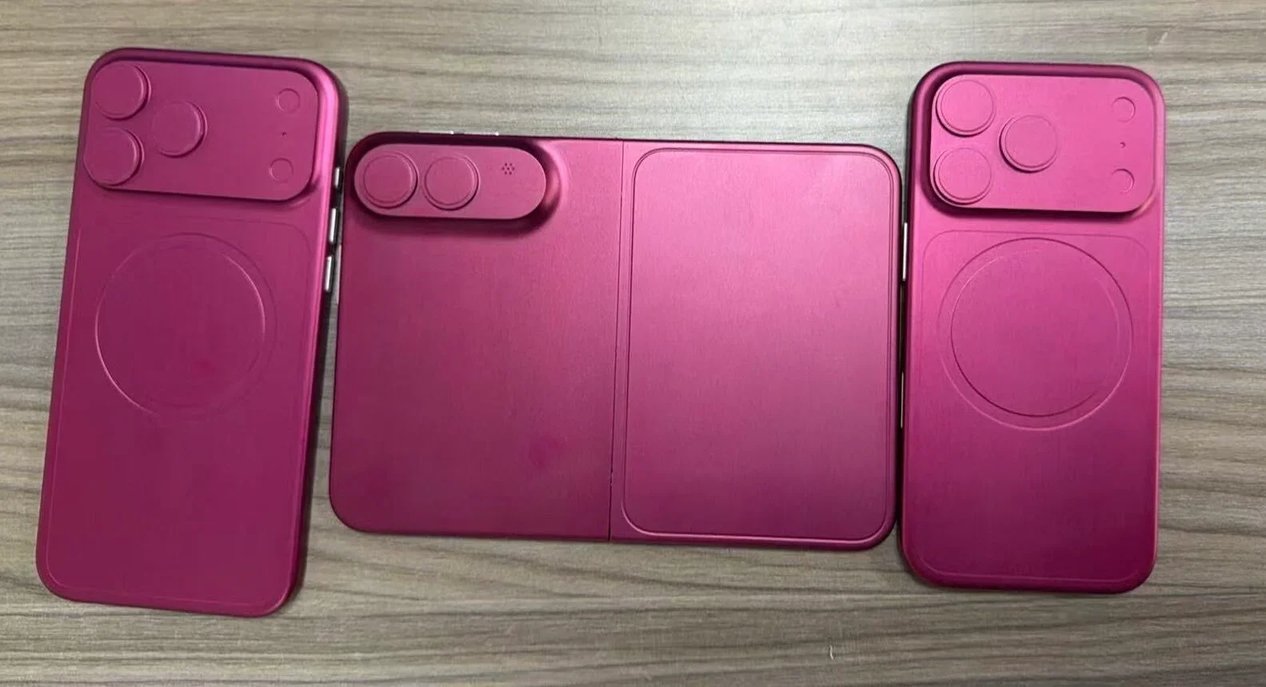
The iPhone Fold's compact, iPad mini-like dimensions may hinder its usability for multitasking or other productivity tasks. This potential shortcoming is particularly disappointing given that it will house the powerful 2nm A20 Pro chip, far superior to the A18 Pro in the MacBook Neo.
Failure to Learn from Past Ventures
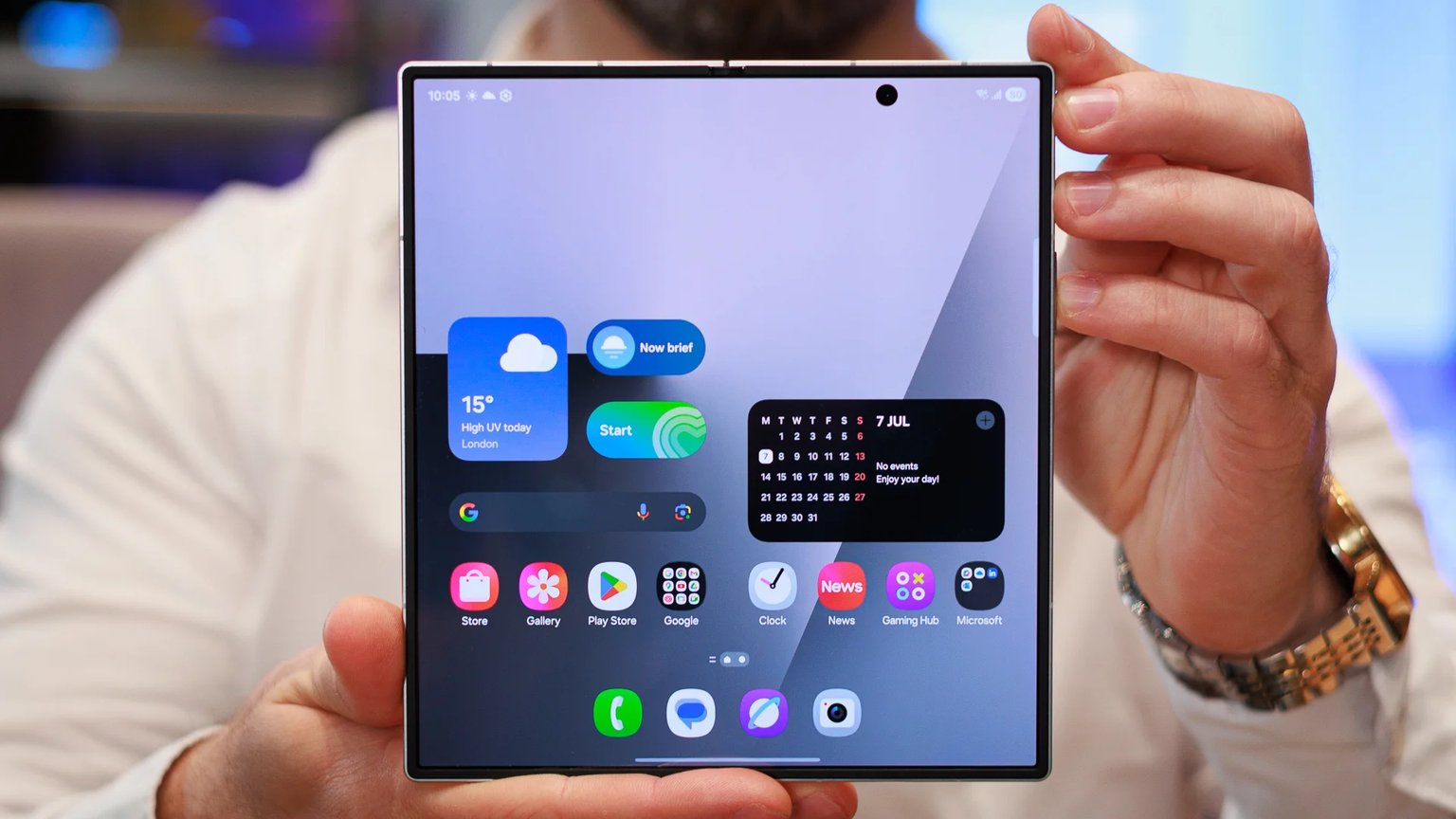
There's a chance that the iPhone Fold could mirror the past shortcomings of devices like the iPhone mini and iPhone Air. Boasting a slender design, it seems the iPhone Fold may not support essential features such as Face ID or a third rear camera. Nevertheless, it might mitigate some user disappointment with its impressive 5,800mAh battery, edging closer to tri-fold capabilities.
A Device for a Select Few?
Ultimately, the iPhone Fold may only captivate a niche audience among die-hard Apple fans. As someone who typically aligns with Apple, I find myself pondering why this device might miss the mark. Reactions on social media thus far have been primarily negative, with many consumers expressing doubts about its design and functionality.


