The Battery Revolution: Why Leading Brands Lag Behind in Two-Day Life Technology

Source: Date:

The Battery Revolution: Why Leading Brands Lag Behind in Two-Day Life Technology

In the evolving landscape of smartphone technology, battery life remains a critical selling point. While brands like Honor and OnePlus have successfully integrated silicon-carbon (Si-C) batteries that can power devices for up to two days, industry giants such as Apple, Google, and Samsung continue to struggle with conventional lithium-ion technology. This article delves into the innovations brought forth by silicon-carbon batteries, the challenges faced by established brands in adopting this technology, and what it means for the future of mobile devices.

Silicon-Carbon Batteries: A Game Changer

OnePlus 15
OnePlus 15. | Image by PhoneArena

The recent launch of the OnePlus 15, featuring a 7,300 mAh Si-C cell, exemplifies the advancements in battery technology. This model holds the record for the best battery life at PhoneArena in the past two years, demonstrating the potential of silicon-carbon batteries in extending device usage.

Safety and Reliability Questions

Honor Magic V6
Honor Magic V6. | Image by Honor

The debate about the safety of Si-C batteries has intensified, with manufacturers like Honor and OnePlus defending their batteries' reliability. OnePlus claims to rigorously test its Si-C cells through more than 70 unique evaluations, assuring that the OnePlus 15's battery will retain over 80% of its health after four years of use.
Why Market Leaders Hesitate

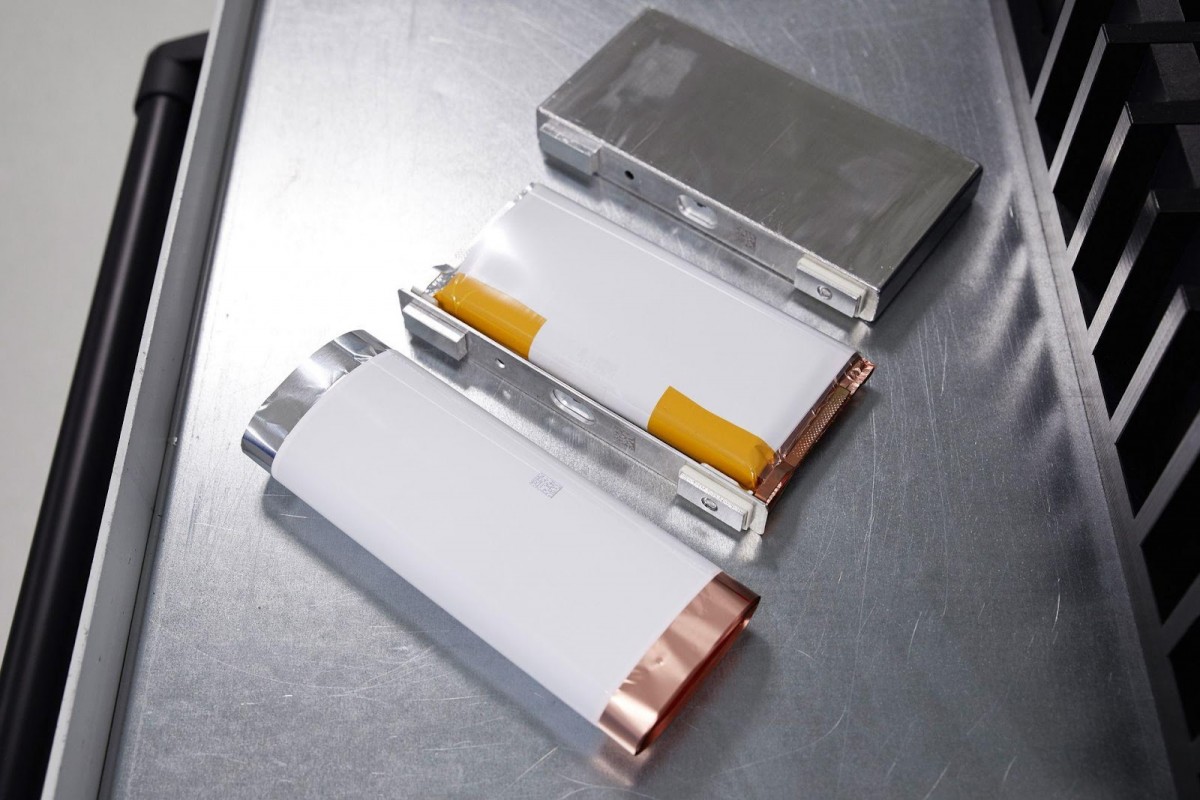
Despite the promising results from newer competitors, established brands are hesitant to switch to Si-C technology. The main hurdle lies in the cost: Si-C batteries are 20% to 40% pricier to produce and require entirely new manufacturing setups. Companies like Samsung, Apple, and Google have invested significantly in their existing lithium-ion battery production lines, making them reluctant to undergo costly transitions.

Reports indicate that Samsung is beginning to test Si-C batteries internally, but widespread deployment in Galaxy phones may not happen until 2027.

The Growing Battery Divide

In the meantime, brands like Apple are introducing products like the iPhone Air, equipped only with a 3,190 mAh battery, prompting the need for accessories like the MagSafe battery pack just to ensure users can last through their day.

The divide in battery technology is widening, as two-day battery life is no longer a mere aspiration. It is a reality in devices currently available on the market, even as key players continue to suggest the technology isn't mature enough for their flagship models. The performance of existing smartphones tells a different story.

Scroll to Top