Can Electric Vehicles Overload Our Power Grid? Debunking the Myths
As electric vehicles (EVs) and plug-in hybrids become increasingly common on our roads, concerns about their impact on the power grid have emerged. Some believe that the surge in EV ownership could overwhelm electricity infrastructure. This article explores these claims and presents evidence that the grid can accommodate the anticipated demand from the growing number of electric cars.
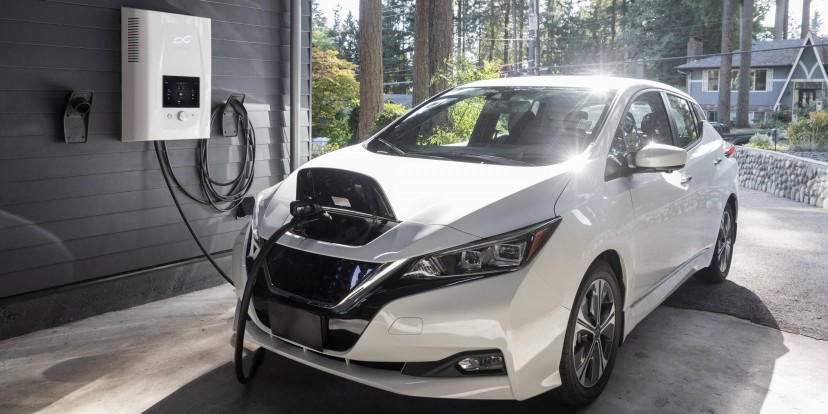
Experts predict that EVs will account for 58% of global vehicle sales by 2040, a significant increase from the current 10%. The pessimistic outlook suggests that if every vehicle in the UK were to charge simultaneously at a rate of 7kW, the demand would reach 229GW—over twice the UK's grid capacity, which stands at 101GW.
The Grid's Capacity Is Misunderstood
Rest assured, the energy grids are equipped to handle the additional load from EVs. Calculations like the one presented above are based on unrealistic assumptions. Mass EV adoption won't happen overnight, and not every car owner will transition simultaneously due to practical purchasing habits.
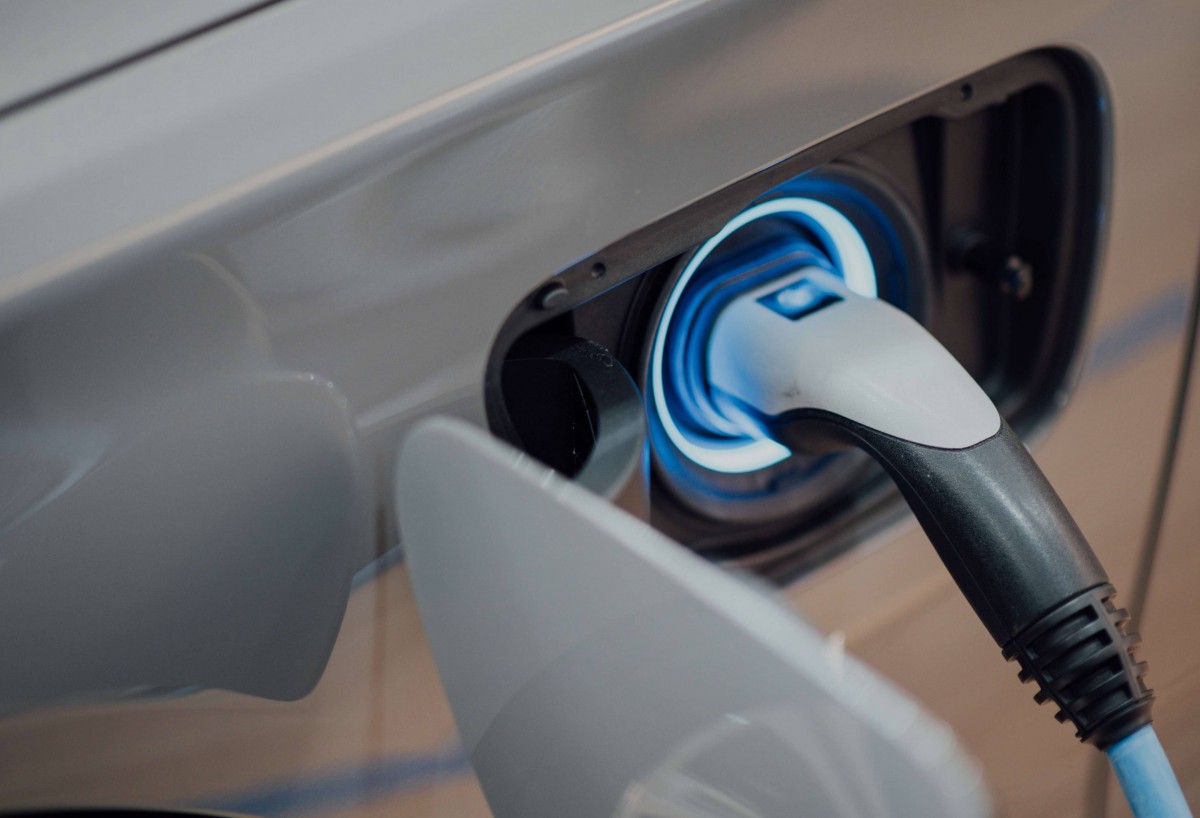
For instance, many people will keep their existing vehicles for several years before buying an EV. It's illogical to presume that all consumers will replace their combustion-engine cars at once, even if there were enough production capacity to supply them.
Charging Demand Isn't Uniform
Many critics also assume that all EV owners will charge their vehicles simultaneously. This scenario is exceedingly unlikely. Charging behavior varies; owners often charge vehicles during off-peak hours when demand is lower, and the current infrastructure of charging stations would take time to develop sufficiently to affect the grid.
Using household demand as an analogy, if every Briton turned on their washing machines at the same time, it would require about 51.4GW of power—more than the UK's average daily consumption of 30GW, illustrating that such peak demands are rare across all appliances.
Realistic Energy Consumption Insights
Consider typical driving distances and the energy needs of EVs. In the UK, for example, vehicles were driven an average of 6,500 miles in 2019. Assuming an average EV consumption of 0.346 kWh per mile, this results in a total annual energy requirement of approximately 73.5 TWh for all UK vehicles, or about 22% of the country’s 2019 electricity generation. This significantly alters the perception of grid overload.
Similar calculations for the European Union and the United States yield comparable results, indicating manageable percentages of electricity generation required to accommodate fully electric vehicle adoption.
Electricity Demand Is Decreasing
In reality, the last decade has seen electricity demand decrease in many regions due to advances in energy efficiency. In the U.S., electricity generation has decreased by 3% over the past decade, and in the UK, the figure stands at an 18% decrease. As EVs rise, demand for internal combustion engines will likely diminish, allowing more freedom in electricity allocation.
Production Capacity Can Be Increased
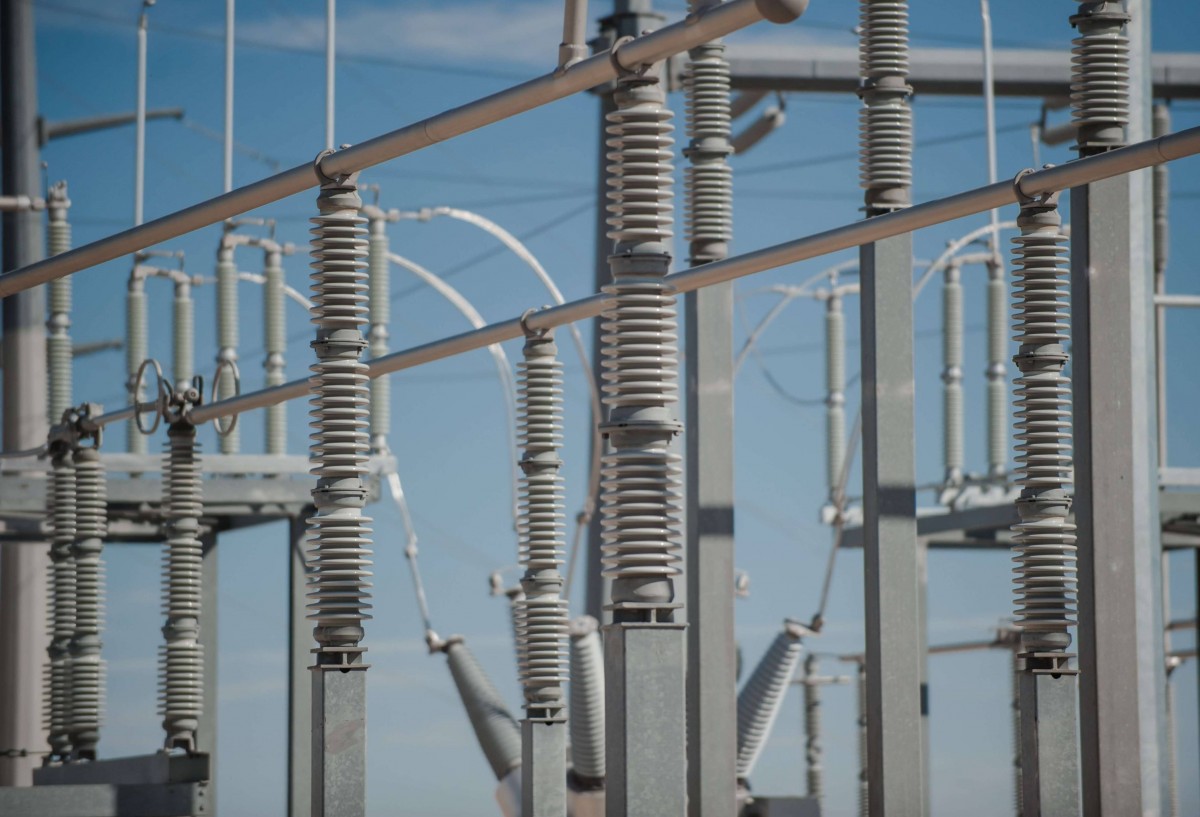
Boosting electricity production alongside EV adoption is feasible. Consider Norway, a leader in EV adoption, where electricity consumption has increased by 26% since 1990 without straining the grid. The key is gradual adoption, allowing time for infrastructure adjustments.
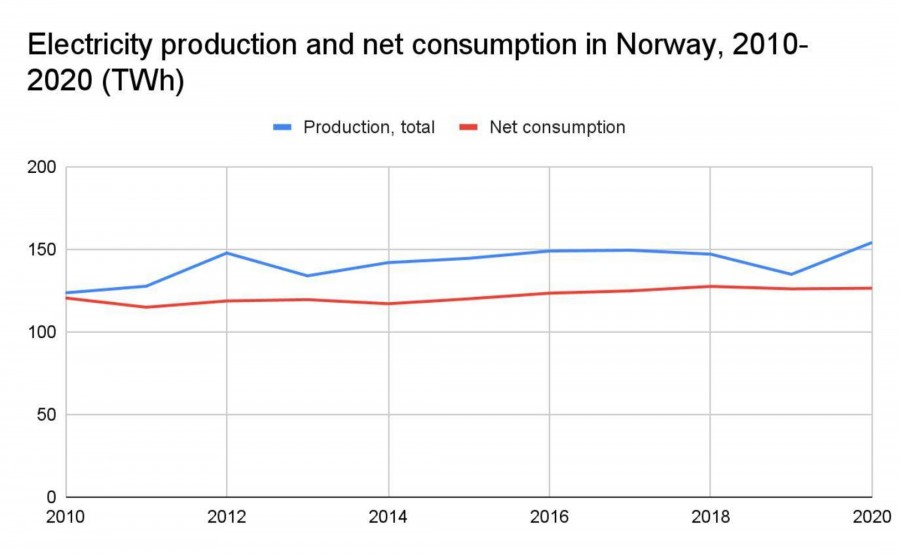 Source: Statistics Norway
Predictions for the coming years indicate an increase in the number of electric vehicles, yet experts conclude that electrical grids will adapt and meet these demands without failure.
Addressing Peak Demand Challenges
While the overall capacity may be sufficient, concerns remain about peak demand and potential grid overload. Distributors must boost capacity at the "last mile" and work to incentivize off-peak charging through price adjustments and smart grid technologies.
Conclusion: A Managed Transition
In conclusion, the introduction of electric vehicles does not pose a catastrophic threat to our power grid. The gradual nature of EV adoption allows for adjustments in electricity production and infrastructure development. The extensive research corroborates this, providing a reassuring consensus that our electrical systems are more than capable of rising to the challenge of EV integration.
TL;DR
While widespread EV adoption presents various challenges, overload on electricity production and the power grid is not among them.
Photo source: Unsplash


