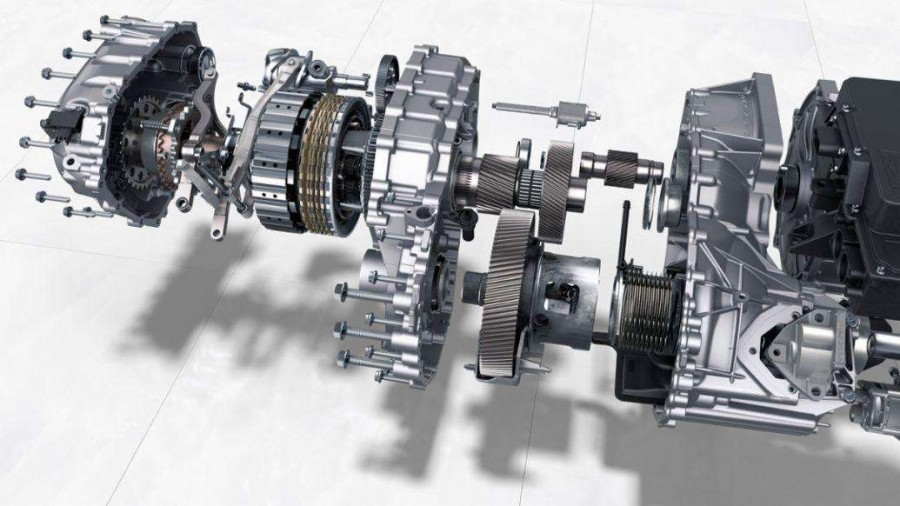
In recent years, electric vehicles (EVs) have gained significant traction as a viable alternative to traditional internal combustion engine (ICE) vehicles. One of the intriguing differences between these two types of cars is the absence of a conventional gearbox in most electric cars. In this article, we will delve into the reasons behind this design choice, explaining the role of gearboxes in ICE vehicles and exploring how the unique characteristics of electric motors eliminate the need for multi-speed transmissions in most EVs.
What is a gearbox, and what is its function in ICE vehicles?
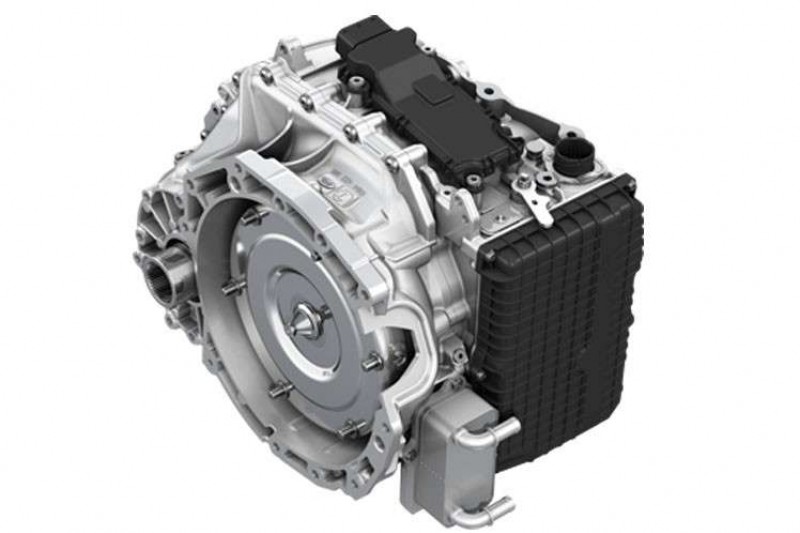
A gearbox is a critical component in internal combustion engine vehicles, designed to manage the engine's power output and optimize torque for varied driving conditions. In ICE cars, the engine requires a certain level of revolutions per minute (rpm) to produce sufficient torque to move the vehicle. Typically, gear ratios within the gearbox multiply this torque, allowing the car to accelerate effectively and maintain speed. For instance, if the first gear has a ratio of 3:1, it multiplies the engine's torque, and with the final drive ratio also contributing, the resultant torque at the wheels significantly increases, enabling effective movement.
However, while gearboxes have been effectively engineered over decades, they introduce inefficiencies that can affect fuel consumption and energy losses. This inefficiency is where electric vehicles take a different approach.
How Electric Cars Operate Differently
Electric vehicles employ electric motors that have distinct properties fundamentally altering the need for traditional gearboxes. These properties are: the delivery of high torque from standstill, the capability of electric motors to operate at high rpm, and the electronically limited top speeds.
For instance, electric motors provide high torque instantly from zero rpm, reducing the need for torque multiplication typically offered by gearboxes. Furthermore, with electric motors capable of reaching speeds of up to 20,000 rpm while maintaining high torque throughout their operational range, vehicles can achieve desired speeds with a single gear ratio. Additionally, EVs are often limited in their top speeds due to the lower energy content in batteries compared to conventional fuels.
To illustrate, consider the BMW i4 eDrive 40, which produces a maximum torque of 430 Nm from 0-5000 rpm and combines with a final drive ratio of 11.115:1. This results in a wheel torque of approximately 4780 Nm, demonstrating the strong acceleration capabilities of electric vehicles.
The Use of Gearboxes in Performance Vehicles
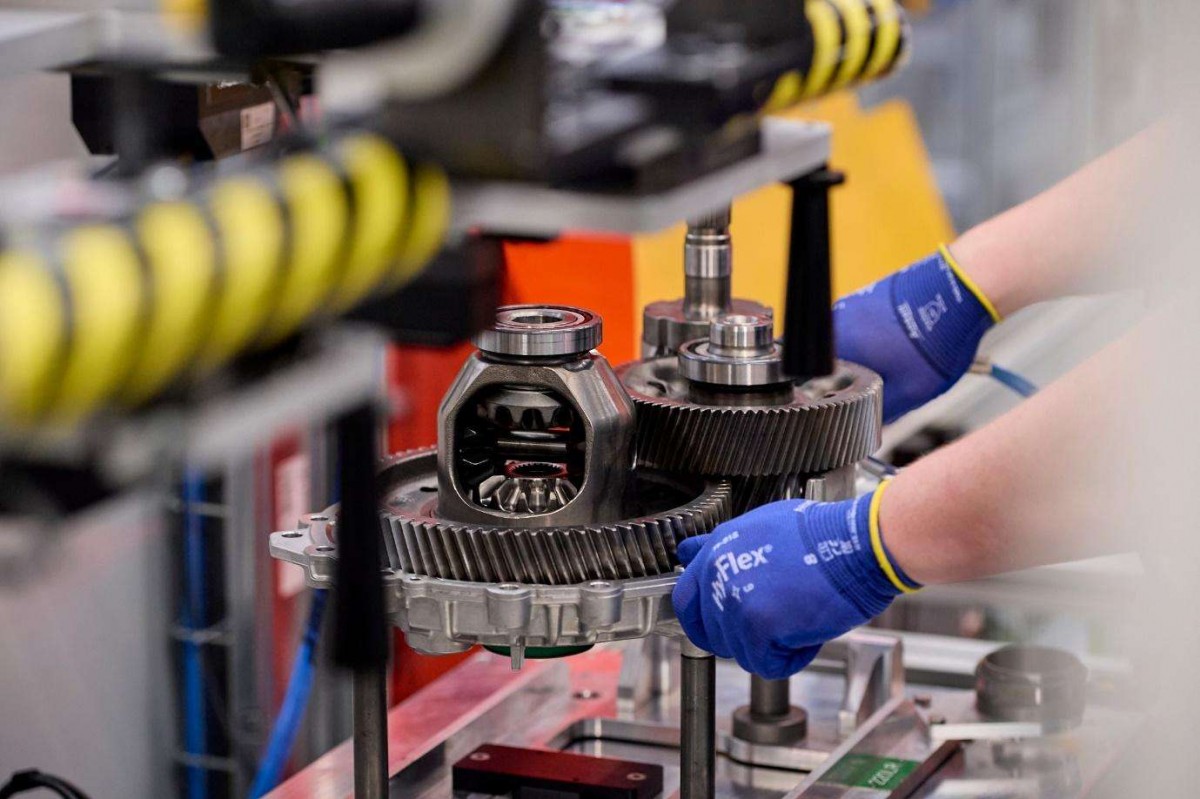
Interestingly, some luxury models like the Porsche Taycan and Audi E-Tron GT utilize a two-speed gearbox for rear motors. This setup allows for quicker acceleration at lower speeds and efficiency at higher speeds, where a lower motor rpm can enhance range and vehicle performance.
Despite the efficiency that two-speed gearboxes could bring, engineering challenges arise in designing gearboxes that can withstand the substantial and instantaneous torque produced by electric motors. Currently, these systems are being researched, but their complexity and cost may deter widespread adoption in all electric vehicles.