Apple Shifts Focus from Budget XR Headset to Ambitious AI Glasses
Despite the initial excitement surrounding the Apple Vision Pro, the device has not met commercial expectations. This has prompted speculation about a possible entry-level XR headset; however, recent reports suggest that Apple may have redirected its resources toward developing cutting-edge AI glasses instead. As competition in the smart glasses market heats up, this pivot could position Apple favorably against rivals like Samsung.
Rethinking the Budget XR Device
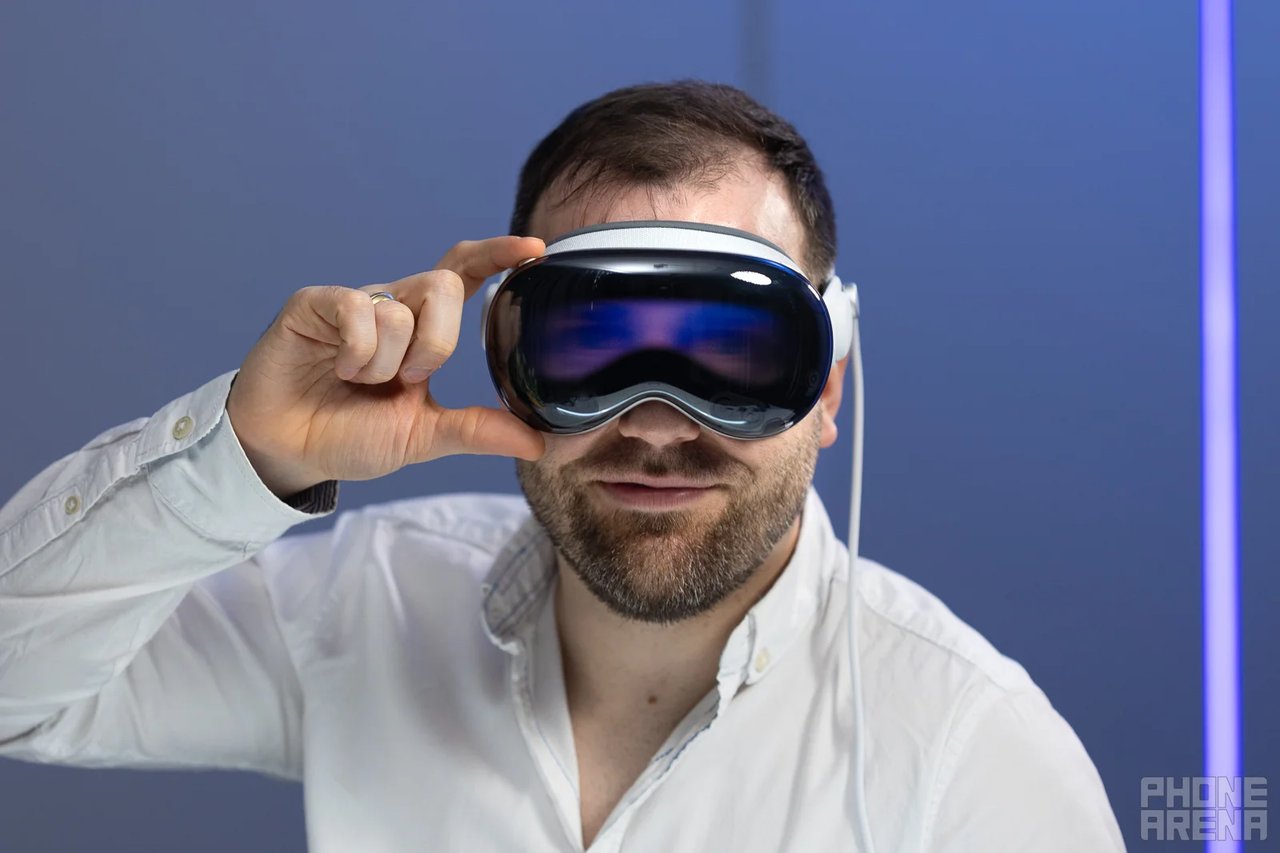
After the lackluster sales of the pricey Vision Pro priced at $3,499, Apple had initially contemplated an 'entry-level extended reality (XR) headset.' However, a recent report from July 8 suggests that these plans might be reconsidered as the company sets its sights on a more innovative project.
Market Trends Point Towards Smart Glasses
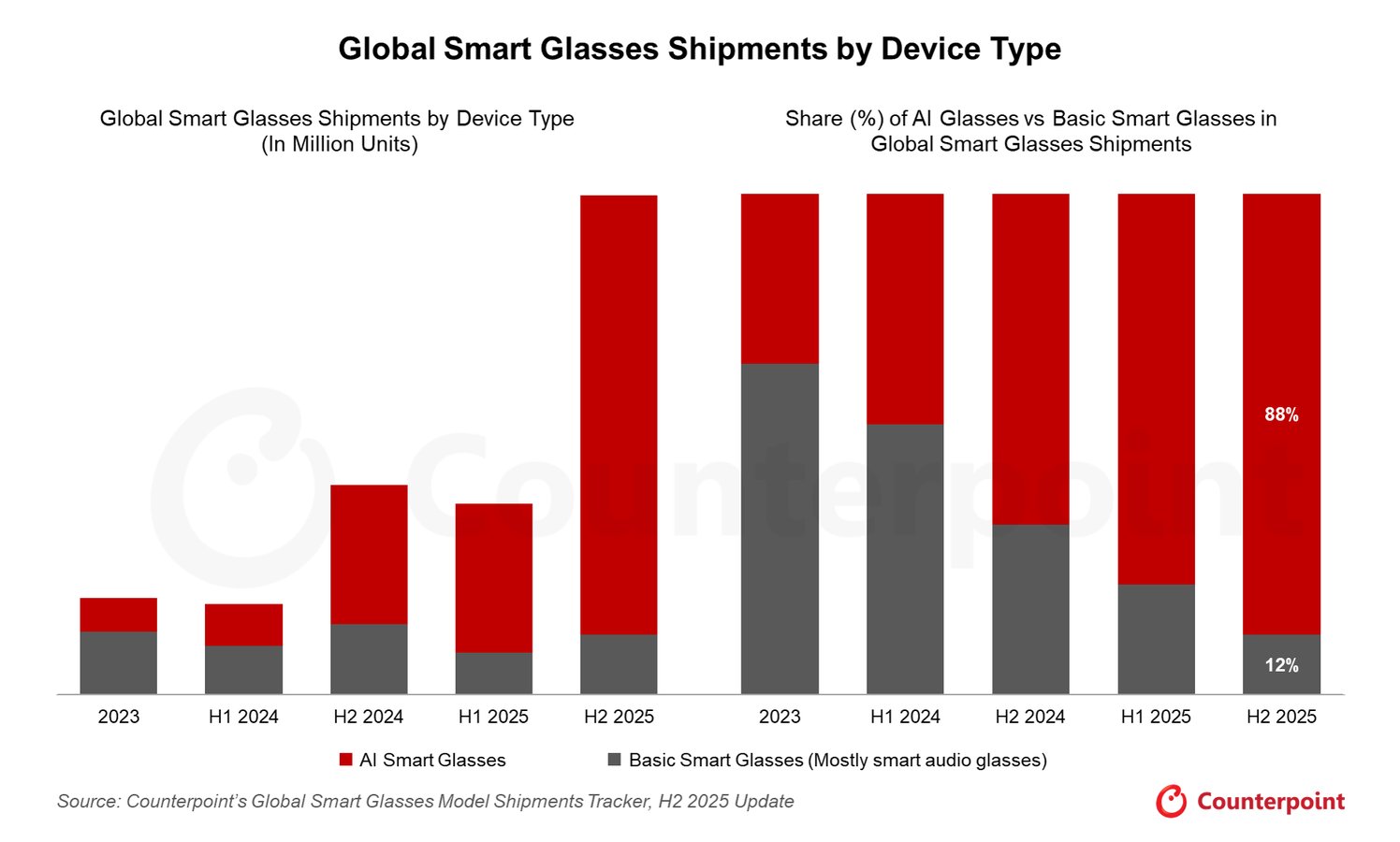
While it remains uncertain if Samsung Display's cancellation of their G-VR project is linked to Apple's shift in strategy, such a move aligns sensibly with the evolving smart glasses landscape. Market research by Counterpoint indicates a remarkable 139% year-over-year growth in global smart glasses shipments, largely driven by companies like Meta, which currently holds an 82% market share.
Key Ingredients for Success
Should Apple indeed be developing AI glasses, their success will hinge on two pivotal elements. The first is, unsurprisingly, the integration of robust AI technology. The experience with the Vision Pro may have highlighted a crucial lesson for Apple: a premium price point can deter even the most dedicated fans. To achieve a wider appeal, these anticipated AI glasses must be priced more accessibly.
Potential Challenges Ahead
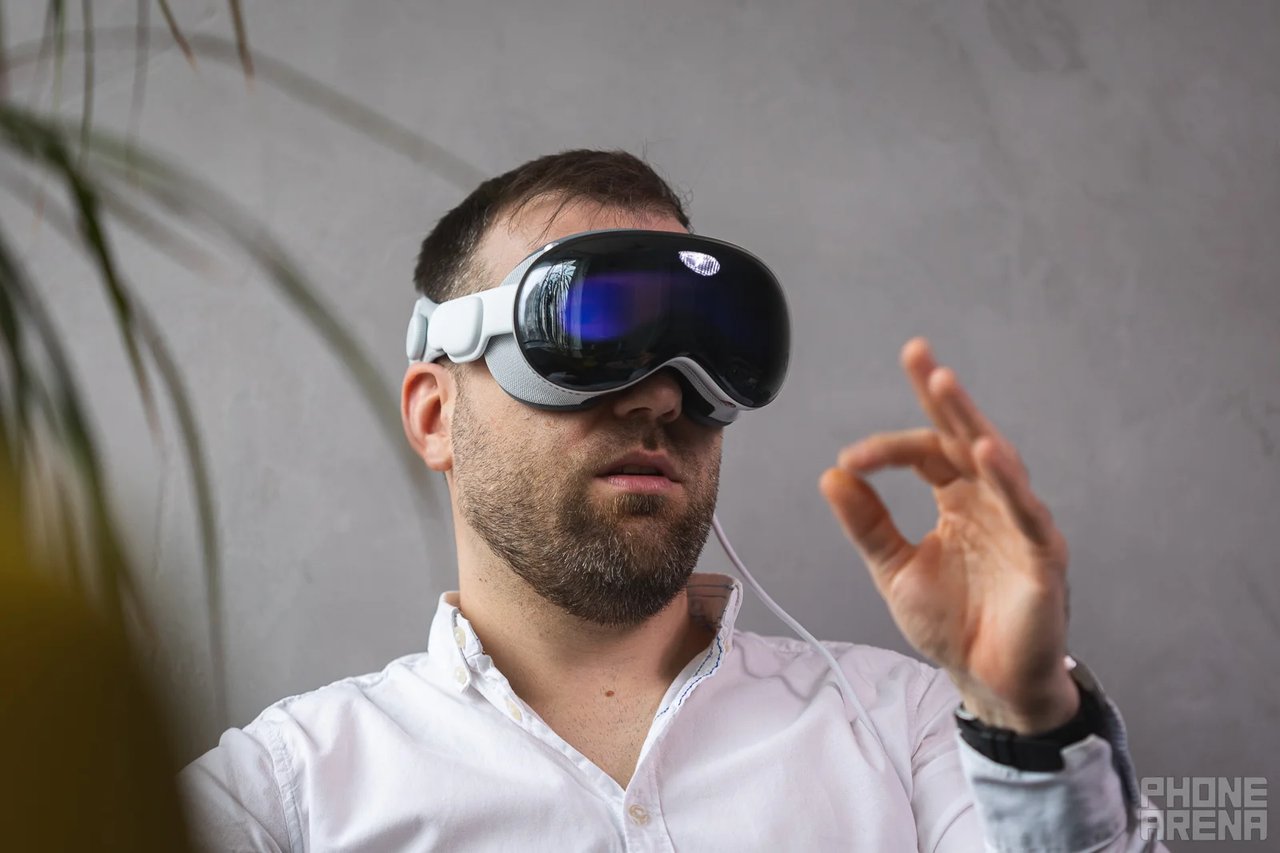
Despite its hefty price tag, the Vision Pro was indeed an impressive product. However, some experts believe that Apple’s AI initiatives still lag behind competitors. Unless the company can substantially enhance its AI capabilities, the upcoming AI glasses may struggle to differentiate themselves in a crowded market.


