Enhancements in Android 17 for Improved Video Calling: A Game Changer with Network Limitations
Android 17 has introduced a significant enhancement designed to bolster the quality of video calls, particularly in environments with high user density, such as stadiums and large conferences. This subtle update has largely flown under the radar but could greatly benefit users utilizing popular video call applications like WhatsApp and Zoom. However, there is a crucial factor to consider—this improvement is contingent on network carrier support.
Key Changes in Android 17
The rollout of Android 17 to Pixel devices has primarily focused on vibrant features like app bubbles and screen reactions. Yet, an important change was discovered in the changelog. Android 17 now allows seamless shifting of voice and video call traffic to a priority 5G lane, and this functionality is live without requiring developers to modify their app codes. Google has confirmed this feature, making it a genuine enhancement rather than speculation.
Carrier Variations and Competitors
With Android 17, the process has become more efficient by eliminating previous obstacles. Currently, T-Mobile provides support for video calling lanes, while Verizon has a similar feature called Enhanced Video Calling, though it is exclusive to iPhone at this moment. Users with Samsung devices might have to wait longer, as the update for Samsung's version of Android 17 typically arrives later than for Pixel devices.
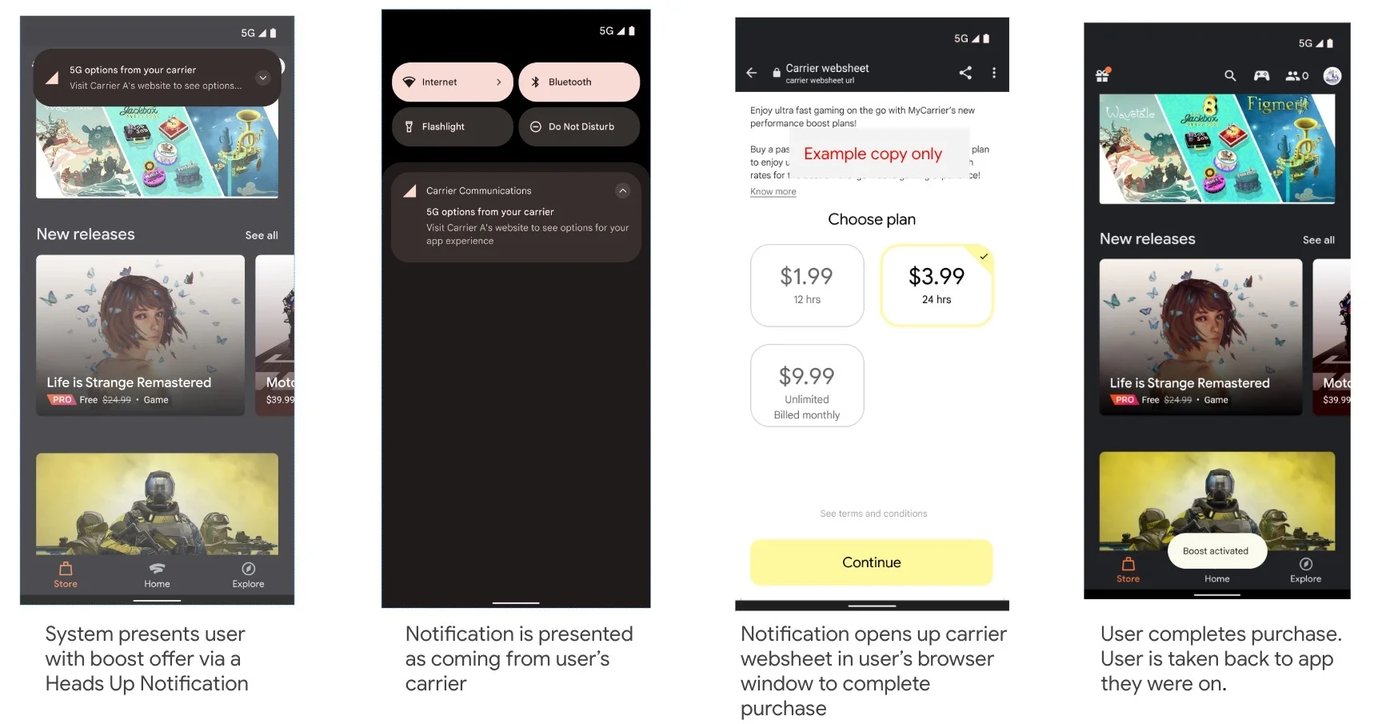
The Mechanism Behind Call Routing
How Call Traffic is Managed
- The system is designed to detect when a call is initiated in applications such as WhatsApp or Zoom.
- While the call remains active, the system intuitively reroutes its traffic to the dedicated premium lane if the carrier supports this feature.
- After the call ends, the app's data traffic reverts to the regular network channel.
Reasons for Caution
Albeit promising, it's important to note that T-Mobile, Verizon, and AT&T have pricing structures for these premium features, and the reality may differ from expectations. A hopeful outlook remains that these services could evolve.
If you found this article insightful, you may also be interested in:
- Singtel's network slicing now available for all customers.
- A comprehensive list of the top 5G smartphones available on Verizon, AT&T, and T-Mobile.
- Follow me, @jojothetechie, on X and Threads for more insights and updates.


