In response to Rockstar's announcement regarding the digital-only release of Grand Theft Auto VI, Sony has unveiled an ambitious plan to phase out physical media altogether. Starting in January 2028, the company will cease the production of physical disc games for all upcoming PlayStation titles.
This means that any game released on PlayStation consoles after January 2028 will be exclusively available in digital format, either through the PlayStation Store or as a redemption code from third-party retailers. This policy does not apply to existing games or those scheduled for release before January 2028.
Sony cited shifting consumer preferences and broader trends in the entertainment industry as the rationale behind this significant move. The company asserts that a majority of its community favors buying games digitally.
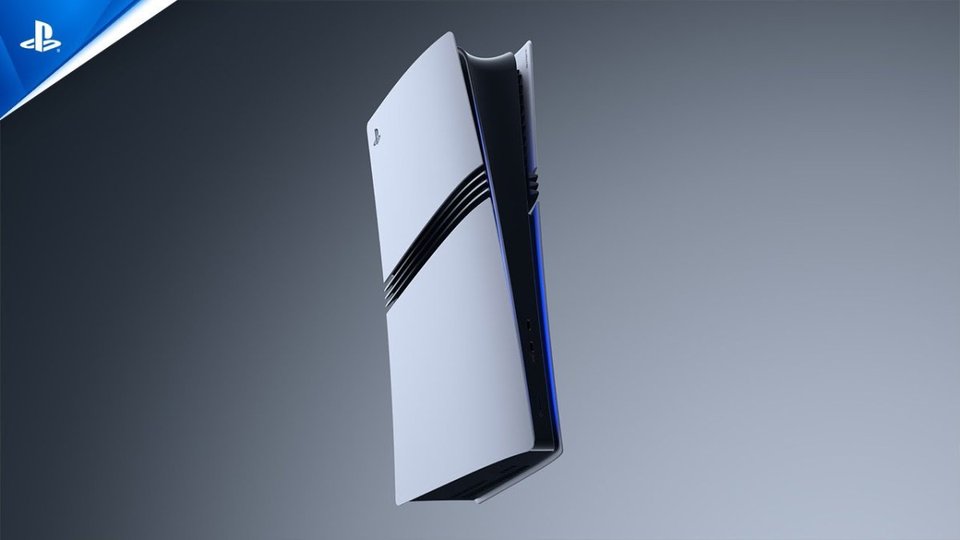
Physical media has long been a pivotal aspect of gaming consoles, allowing players to easily purchase and enjoy their games. However, for publishers and platform owners, physical media presents challenges: it can be shared, transferred, and resold, unlike digital products, which effectively locks consumers into a single purchase chain. The ability to lend, sell, or buy used games has historically kept prices competitive, indirectly benefiting both consumers and the used game market—issues that publishers have found frustrating.
While physical media cultivates a genuine sense of ownership—allowing users to hold their games and play them indefinitely—digital purchases come with inherent risks. Should publishers or platforms ever cease operations, physical media can still be accessed, provided the console remains functional.
Publishers have been gradually undermining the value of physical discs, opting to either withhold physical releases or offer incomplete versions on disc that require online downloads to access full content. This has led many gamers to consider purchasing directly online instead.
Numerous movements advocating for the preservation of physical media have emerged over the years. Concerns about publishers' reliability to uphold ownership rights of digital games further underscore the need for physical alternatives.
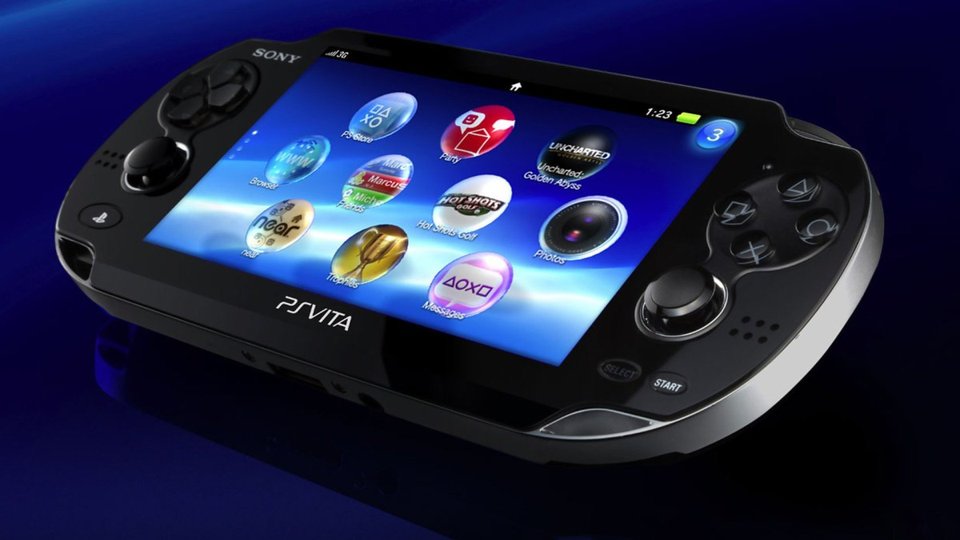
In a notable contradiction to its commitment to discontinuing physical games, Sony also announced the impending closure of the PlayStation Store for the PS3 and PS Vita this year. While users can still download games they previously bought, new purchases will no longer be possible, leaving uncertainty regarding the longevity of current downloads—a reminder of the fragility of digital ownership.
The market has spoken, with consumer behavior indicating a preference for online purchases. While PC gamers have increasingly shifted to digital media for years—largely due to piracy concerns—the console market remains somewhat distinct. Exclusive distribution by platform owners limits competition and disincentivizes deep discounts, exacerbating the absence of physical media and used game options.
In summary, the era of physical media in gaming is diminishing, with Sony's decision marking a significant milestone. As competitors like Microsoft and Nintendo likely follow suit, gamers should prepare for a future where digital purchases dominate, often at the cost of true ownership.