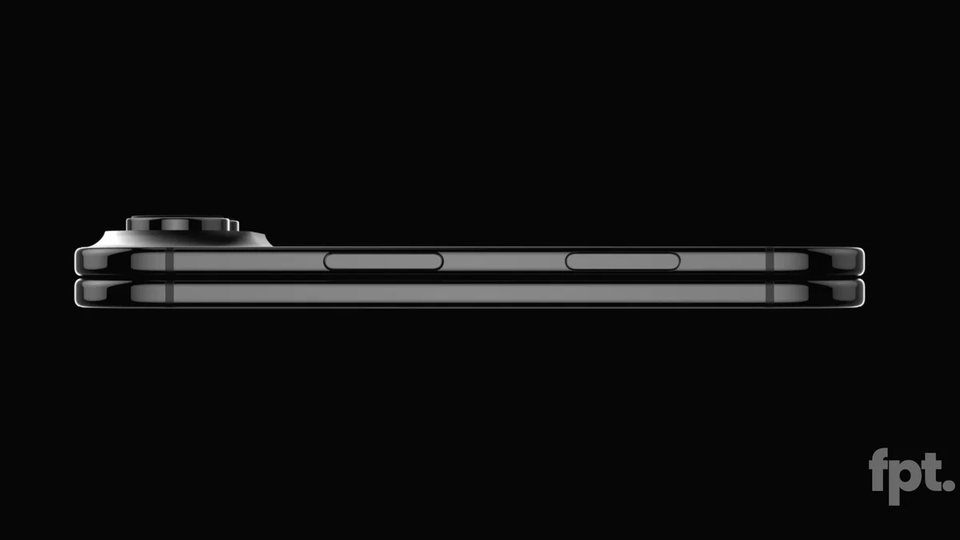
The Samsung Galaxy S26 Ultra introduced the innovative Privacy Display feature, which allows users to temporarily switch parts or the entirety of the screen to a restricted viewing angle mode. This functionality enables users to read notifications and access private information while preventing prying eyes nearby from seeing the content. Initially, it was thought that this feature would remain exclusive to the Ultra models.
However, The Elec has reported that all four models of the Galaxy S27 will include the Privacy Display feature. While it was previously confirmed for the Galaxy S27 Pro, its availability on the standard model is unexpected, as entry-level devices typically miss out on premium functionalities (such as 45W charging and UWB).
There were indications that Samsung Electronics considered sourcing displays for the standard Galaxy S27 from BOE to reduce costs, but this deal did not materialize, and the device will instead utilize Samsung Display panels.
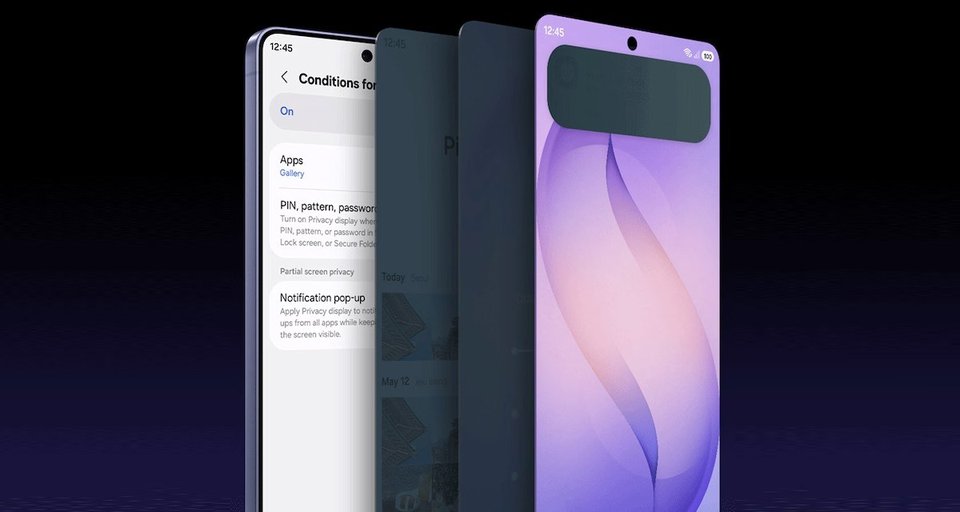
Market research firm SigmaIntel disclosed that 1 million smartphones with Privacy Display were shipped in 2025, primarily targeted at niche business markets. The S26 Ultra significantly boosted consumer interest in this feature, with projections indicating that the number of Privacy Display-enabled devices will surge to 21 million this year and reach 29 million next year.
Samsung isn't alone in this endeavor; numerous leaks suggest that other smartphone manufacturers, including Xiaomi, Honor, Oppo, and Vivo, are developing similar Privacy Display functionalities for their upcoming flagship devices.
This technology is expected to extend to foldable devices as well, although screen manufacturers still face challenges. The Privacy Display is fundamentally a hardware feature that divides the display into two types of pixels: one with narrow viewing angles that remains active continuously, and another with wide viewing angles that blacks out when the Privacy Display is engaged. This division can lead to complications regarding resolution and brightness, which subsequently impacts power consumption.