Earlier this week, Meta-owned WhatsApp unveiled a username feature that permits users to communicate without sharing their phone numbers. Although the feature is set to launch later this year, users can already reserve their usernames.
The introduction of this feature raised concerns regarding security, privacy, and impersonation, prompting the Indian government to request that WhatsApp pause its rollout. This request is based on the IT Act of 2000, the IT Rules of 2021, and other relevant laws. Below are images of the letter sent by the Indian government to WhatsApp.
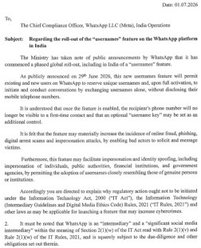
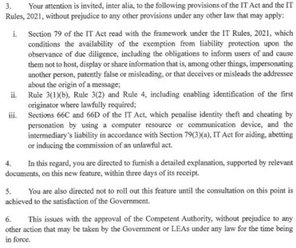 Indian government's letter to WhatsApp regarding the username feature | Source
In response, WhatsApp clarified that users will still need a phone number to access the app. Furthermore, it has implemented several safeguards against scams within its username system. To mitigate impersonation risks, WhatsApp has reserved high-profile usernames—pertaining to public figures, government entities, celebrities, and verified Meta accounts—ensuring they can only be claimed by their legitimate owners.
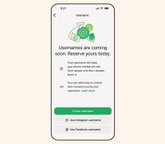
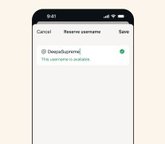
 WhatsApp's username feature allows communication without sharing phone numbers
Here’s the full statement from WhatsApp regarding the situation:
“We’ve announced the option for people to reserve their preferred username on WhatsApp. The ability to use a username is not yet live and will roll out slowly later this year. To protect against impersonation, we’ve held the highest-profile names—such as public figures, government entities, celebrities, and verified Meta accounts—so they can only ever be claimed by their legitimate owners. We also reserve lookalike derivatives of known names. Users are required to have a phone number to use WhatsApp, and we’ve built multiple layers of defense against scams into usernames: Other users need to know the exact username to message you, we will limit how many new people an account can contact, block repeated attempts to guess someone’s username, and have systems to detect and remove activity indicating common impersonation and abuse patterns. When the feature becomes available, and someone sends you a message for the first time via your username, we will show you if they’re a new account, if they’re in your contacts, if you share groups, and if they’re based in a different country, giving you the ability to decide whether to respond.”
Reserving a WhatsApp username is optional. Users can do this by going to WhatsApp's Settings > Account > Username section. If the option to reserve a username is not visible, users should check again after updating to the latest version of WhatsApp.