The New Frontier: How SpaceX is Reshaping Mobile Connectivity
As traditional mobile carriers like AT&T, T-Mobile, and Verizon navigate the complex world of connectivity, the landscape is rapidly changing. With SpaceX's recent acquisition of exclusive 2 GHz airwaves for satellite-to-phone services, the balance of power is shifting toward the innovative space company. This article explores the implications of this satellite spectrum war and what it means for your mobile connectivity in areas where conventional networks fall short.
SpaceX Secures Its Future in Satellite Connectivity
With the recent $17 billion deal to acquire EchoStar's spectrum, SpaceX is poised to enhance its Starlink Direct to Cell services. This advancement promises to revolutionize coverage for users across the globe, elevating performance and reliability in areas previously ignored by traditional cellular infrastructure.
The Evolution of Mobile Technology
As AT&T and Verizon focus on messaging enhancements and next-generation satellite integration, their plans to boost mobile service as of early 2026 rely on technology that remains two years away. The critical takeaway here isn't merely about speed; it's about bridging the connectivity gap in remote areas lacking cellular towers.
While AT&T and Verizon are betting on AST SpaceMobile for their future satellite needs, T-Mobile has already aligned with SpaceX's Starlink. The impending loss of exclusive access to spectrum for T-Mobile means it must rapidly adapt or risk falling behind.
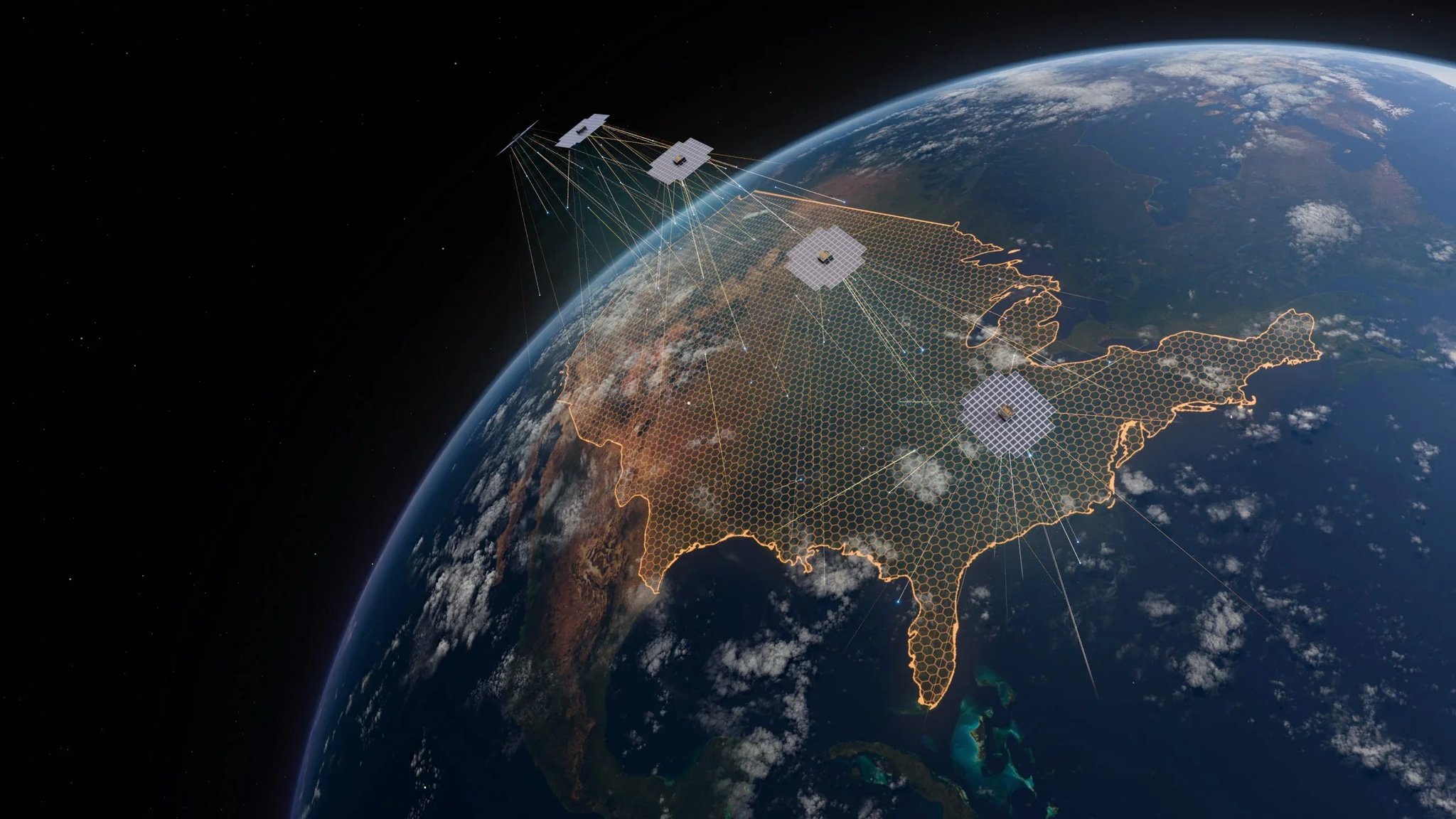
T-Mobile's current satellite service, T-Satellite, is already making waves among users in remote locations. Customer testimonials highlight the reliability and instant access provided by T-Satellite, while other major carriers struggle to match that performance in these challenging environments.
The Competitive Landscape of Satellite Services
The cellular giants—T-Mobile, AT&T, and Verizon—are grappling with an outdated approach while SpaceX leads the charge into the future of mobile connectivity. Their vast terrestrial networks and substantial spectrum licenses might give them a competitive edge, but the reality is that when it comes to Direct-to-Device services, they are responding to a game already set up by SpaceX.
Preparing for the Next Decade of Connectivity
As the next two years unfold, the industry's trajectory will hinge on whether these major carriers can adjust and innovate in response to SpaceX's advancements. For consumers looking to navigate connectivity challenges in dead zones, the choice of carrier could depend significantly on developments in satellite technology.
Before You Choose a Carrier
- Explore the latest smartphones available on T-Mobile.
- Understand Verizon's current mobile offerings.
- For real-time updates and insights on carrier dynamics, connect with me on social media platforms like X and Threads.